
Depression affects 8.3% of American adults annually, yet many people struggle to understand the differences between various depressive disorders.
Dysthymia vs clinical depression represents two distinct forms of depression that impact millions differently. While both conditions cause significant distress, they vary in duration, severity, and treatment approaches.
At Equilibrium Mental Health Services, we help patients navigate these complex diagnoses through comprehensive Miami psychiatry care and evidence-based treatment plans.
What Makes These Two Depression Types Different?
Persistent Depressive Disorder Characteristics
Dysthymia, officially known as persistent depressive disorder, affects 10.3% of the general population according to clinical estimates. This condition requires a depressed mood that lasts most days for at least two years in adults, with symptoms never absent for more than two months during this period. The American Psychiatric Association defines dysthymia as having at least two additional symptoms alongside low mood, including poor appetite or overeating, insomnia or hypersomnia, low energy, poor concentration, low self-esteem, and feelings of hopelessness. Women face twice the risk of developing dysthymia compared to men, with early onset before age 21 linked to higher rates of personality disorders and substance abuse.
Major Depressive Disorder Features
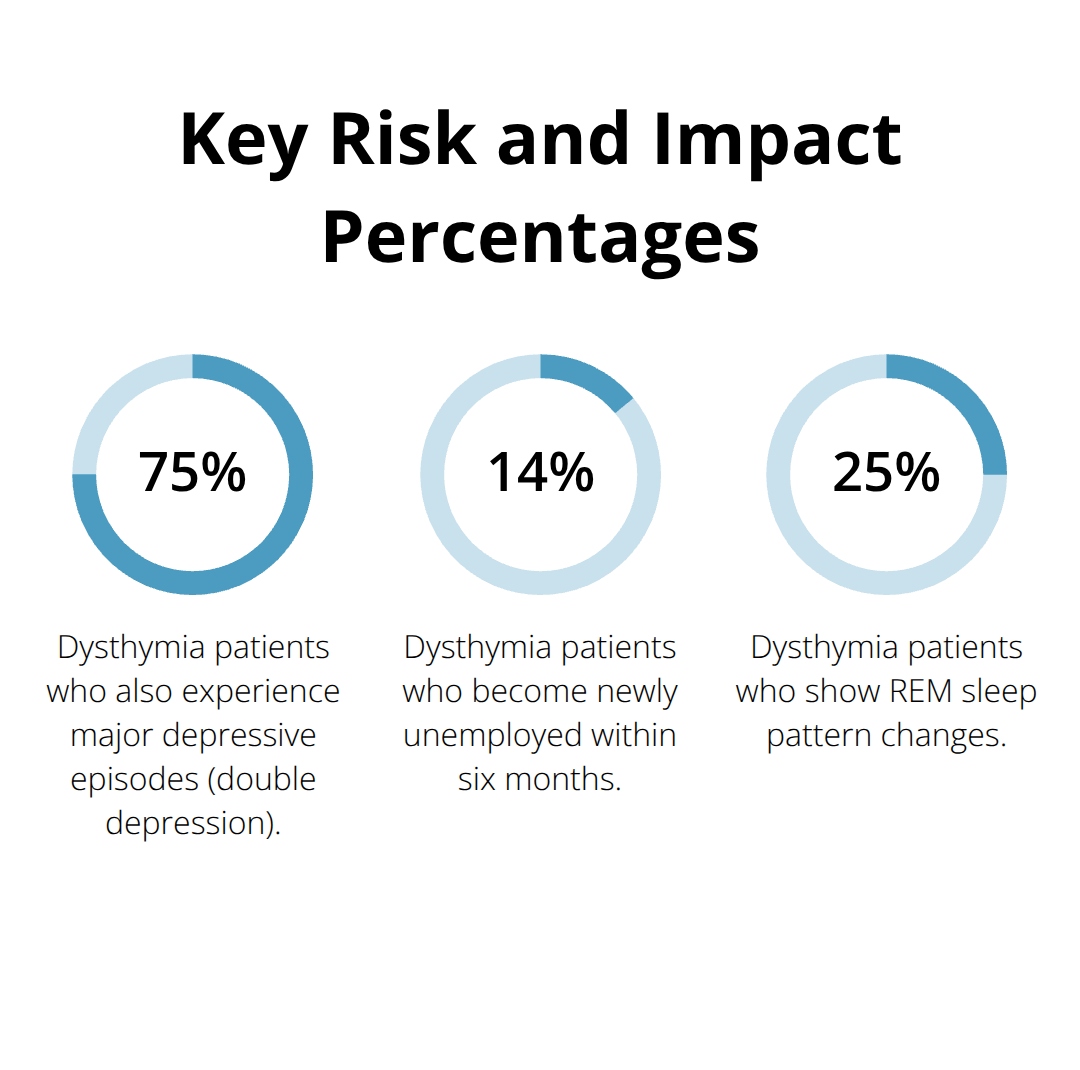
Major depressive disorder affects 8.3% of Americans according to national health data and requires at least five symptoms present for a minimum of two weeks. These episodes feature more intense symptoms than dysthymia, including significant weight changes, severe sleep disturbances, psychomotor agitation, fatigue, worthlessness, concentration problems, and recurrent thoughts of death. The National Institute of Mental Health reports that major depression episodes are shorter but create immediate, noticeable disruptions in daily life. Approximately 75% of individuals with dysthymia also experience major depressive episodes (a condition called double depression), which complicates treatment outcomes.
Daily Life Impact Differences
Both conditions significantly impair social, occupational, and personal activities, but in distinct ways. Dysthymia creates chronic fatigue and persistent withdrawal from activities, which leads to decreased work performance and relationship difficulties that develop gradually over years. Major depression causes sudden, severe disruptions that can render individuals unable to work or maintain relationships during episodes. Research from employment studies shows 14% of dysthymia patients become newly unemployed within six months, while major depression often requires immediate work accommodations or medical leave during acute episodes.
These distinct patterns of symptoms and life impact highlight why accurate diagnosis matters so much for effective treatment approaches. For professional evaluation and treatment options, consider consulting with Miami psychiatry specialists who can provide comprehensive mental health care.
How Do These Conditions Differ in Timeline and Impact?
Symptom Duration Patterns
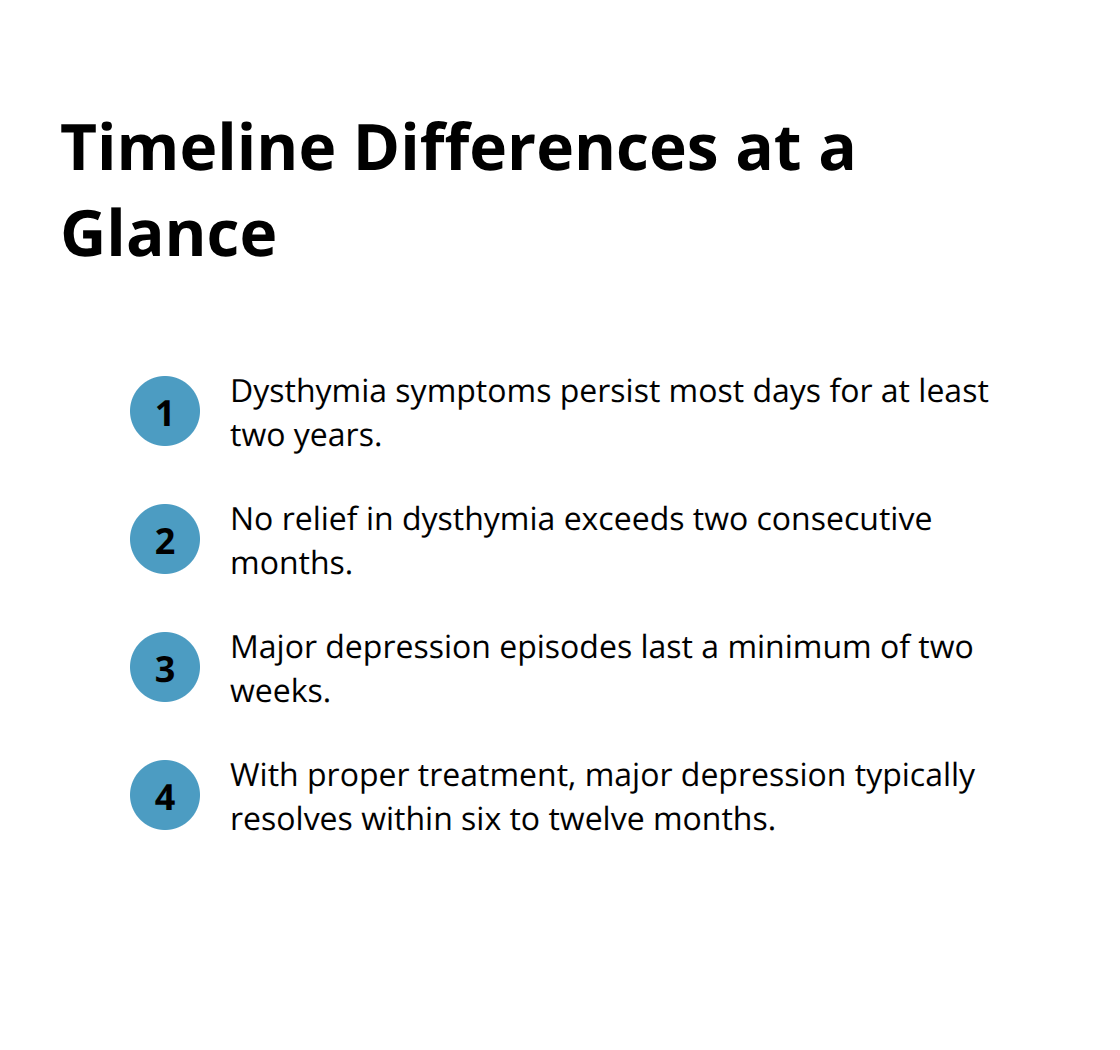
The timeline difference between these conditions fundamentally changes how patients experience depression. Dysthymia requires symptoms to persist most days for at least two years without relief for more than two months consecutively. Major depression episodes last a minimum of two weeks but typically resolve within six to twelve months with proper treatment.
Clinical studies from the National Health and Nutrition Examination Survey show that 46-71% of dysthymia patients achieve remission within one to six years, while major depression episodes often respond to treatment within three to six months. This means dysthymia patients endure years of consistent low mood, while major depression creates intense but typically shorter periods of severe symptoms.
Intensity and Functional Disruption
Major depression delivers devastating intensity that can completely halt daily function within days or weeks. Patients often cannot work, maintain relationships, or perform basic self-care during acute episodes. Dysthymia operates differently – it creates a steady drain on energy and motivation that allows people to function but at significantly reduced capacity.
Research shows that dysthymia patients maintain employment more often than those with major depression, yet 14% become newly unemployed within six months due to chronic underperformance. Major depression patients typically require immediate medical intervention or leave, while dysthymia patients gradually decline in work quality and relationship satisfaction over months or years.
Risk Factors and Complications
The suicide risk remains elevated in both conditions, but major depression poses immediate danger during episodes, whereas dysthymia creates persistent suicidal ideation that requires ongoing monitoring. The large majority of those with dysthymia also experience comorbid depressive disorders, which complicates treatment outcomes significantly.
Women face twice the risk of developing either condition compared to men, with family history and early life trauma serving as major risk factors. Early onset dysthymia before age 21 links to higher rates of personality disorders and substance abuse, while major depression can develop at any age with various triggers. For comprehensive mental health support, consider consulting with Miami psychiatry professionals who specialize in mood disorders.
These distinct patterns of symptoms and timeline differences directly influence which treatment approaches work best for each condition.
What Treatment Works Best for Each Type
Psychotherapy Approaches That Actually Work
Cognitive behavioral therapy proves most effective for both conditions, but the approach differs significantly. For dysthymia, CBT focuses on chronic negative thought patterns that have developed over years, and patients typically need 16-20 sessions according to clinical studies. Major depression responds faster to CBT, with patients typically showing improvement within 8-12 sessions when therapists address acute symptoms.
Interpersonal psychotherapy combined with medication shows significantly greater reduction of depressive symptoms for chronic depression, which makes it particularly valuable for dysthymia patients. A meta-analysis of 67 studies shows psychotherapy can match SSRI effectiveness in depression treatment, and this gives patients alternatives to medication-only approaches. Mindfulness-based cognitive therapy reduces obsessive rumination in dysthymia patients when therapists target the persistent negative thoughts that characterize this condition.
Medication Management Strategies
Selective serotonin reuptake inhibitors work differently for each condition. Dysthymia patients typically require longer medication trials (often 8-12 weeks before they see benefits), compared to major depression where improvement may occur within 4-6 weeks. SSRI response rates reach 60-70% for major depression episodes but drop to 45-55% for dysthymia, which requires more medication adjustments.
Norepinephrine agents like bupropion show particular effectiveness for dysthymia patients who experience chronic fatigue and low energy. Double depression patients need careful monitoring since dysthymia patients commonly experience major depressive episodes, and this requires medication adjustments during acute phases.
Lifestyle Changes That Make a Difference
Regular exercise produces antidepressant effects equivalent to medication for mild to moderate depression, but consistency matters more for dysthymia patients who need daily structure over years. Sleep hygiene becomes critical since 25% of dysthymia patients show REM sleep pattern changes similar to major depression.
Daily journaling helps both conditions but serves different purposes – dysthymia patients benefit from tracking gradual mood improvements over months, while major depression patients use it to identify episode triggers and warning signs. Social support prevents isolation, particularly important for dysthymia patients who gradually withdraw from relationships over time.
Alternative Treatment Options
Transcranial magnetic stimulation (TMS) shows promise for treatment-resistant cases of both conditions. Studies indicate TMS can be effective when traditional therapies fail, particularly for patients who cannot tolerate medication side effects. Spravato (esketamine) represents another breakthrough option for severe depression that hasn’t responded to standard treatments.
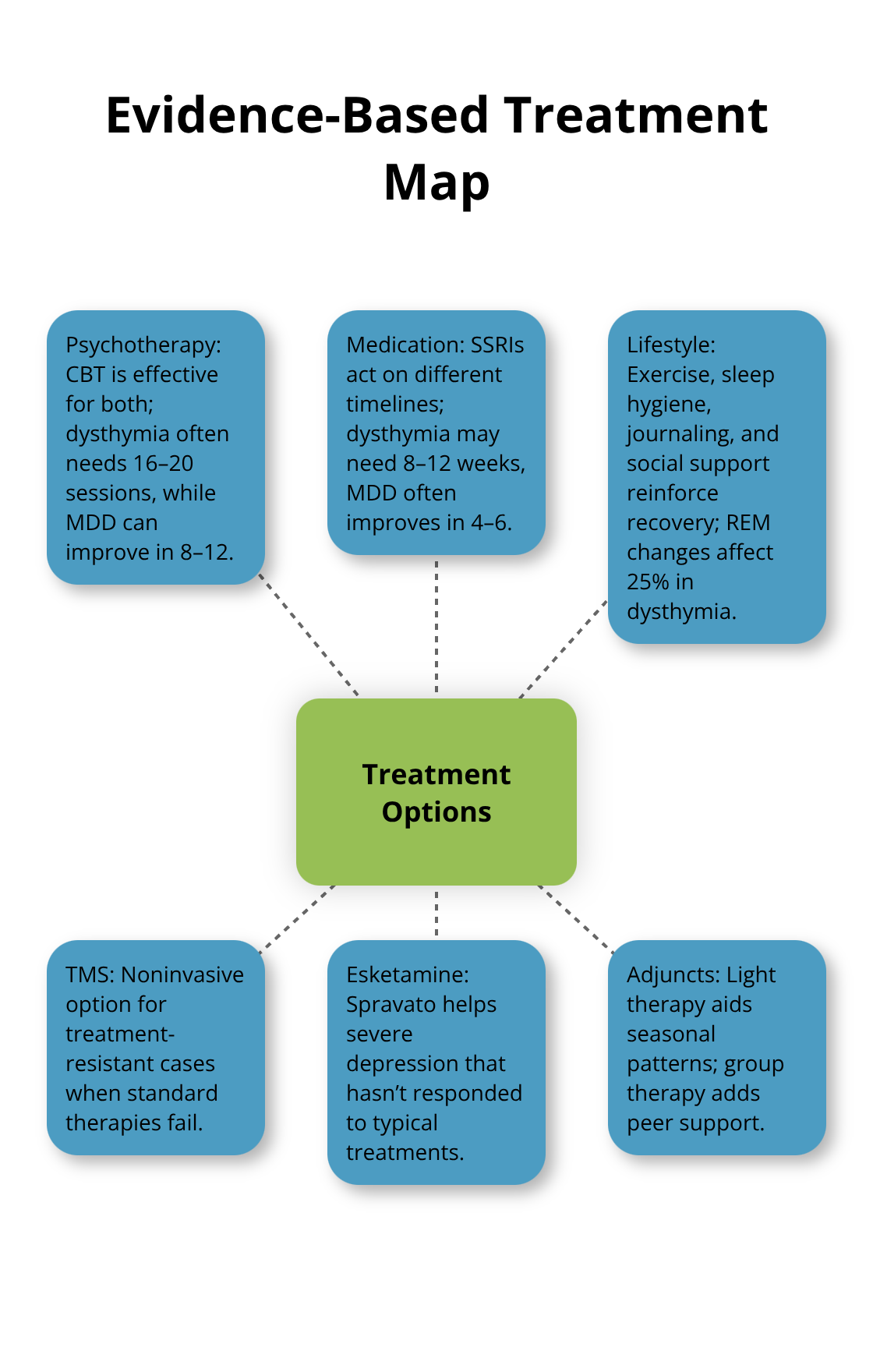
Light therapy benefits patients with seasonal patterns in their depression, while group therapy provides peer support that many find invaluable. These alternative approaches work best when combined with traditional therapy and medication management under professional supervision, especially when working with experienced Miami psychiatry professionals.
Final Thoughts
The dysthymia vs clinical depression distinction helps patients identify their specific symptoms and pursue appropriate treatment. Dysthymia creates chronic, persistent low mood that lasts at least two years, while major depression produces intense episodes that span weeks to months. This duration difference significantly impacts treatment approaches since dysthymia requires longer therapy sessions and medication trials, whereas major depression often responds faster to intervention.
Professional diagnosis remains essential because 75% of dysthymia patients also experience major depressive episodes (creating complex treatment needs that require specialized care). Self-diagnosis can lead to inadequate care and prolonged suffering. Both conditions respond well to evidence-based treatments that include cognitive behavioral therapy, medication management, and lifestyle modifications when professionals supervise the process.
We at Equilibrium Mental Health Services provide psychiatric care for adults who experience depression, anxiety, bipolar disorder, and other mental health conditions. Our team creates personalized treatment plans that combine medication management and psychotherapy in a supportive, confidential environment. If you experience persistent low mood or depressive episodes, contact our practice to speak with licensed professionals who can guide your journey toward improved mental well-being.


