
At Equilibrium Mental Health Services, we understand the challenges faced by individuals with ADHD. While medication can be effective, many seek alternative approaches for managing their symptoms.
This blog post explores effective strategies for treating ADHD without drugs, focusing on lifestyle modifications and non-pharmacological interventions. We’ll discuss practical techniques that can help improve focus, organization, and overall well-being for those living with ADHD.
Understanding ADHD and Its Impact
What is ADHD?
Attention Deficit Hyperactivity Disorder (ADHD) is a neurodevelopmental condition that affects both children and adults. It presents as persistent patterns of inattention, hyperactivity, and impulsivity that interfere with daily functioning and development.
Recognizing ADHD Symptoms
ADHD manifests differently in each individual, but common signs include:
- Difficulty focusing on tasks
- Forgetfulness in daily activities
- Struggles with organization
- Restlessness
- Excessive talking
- Impulsive decision-making
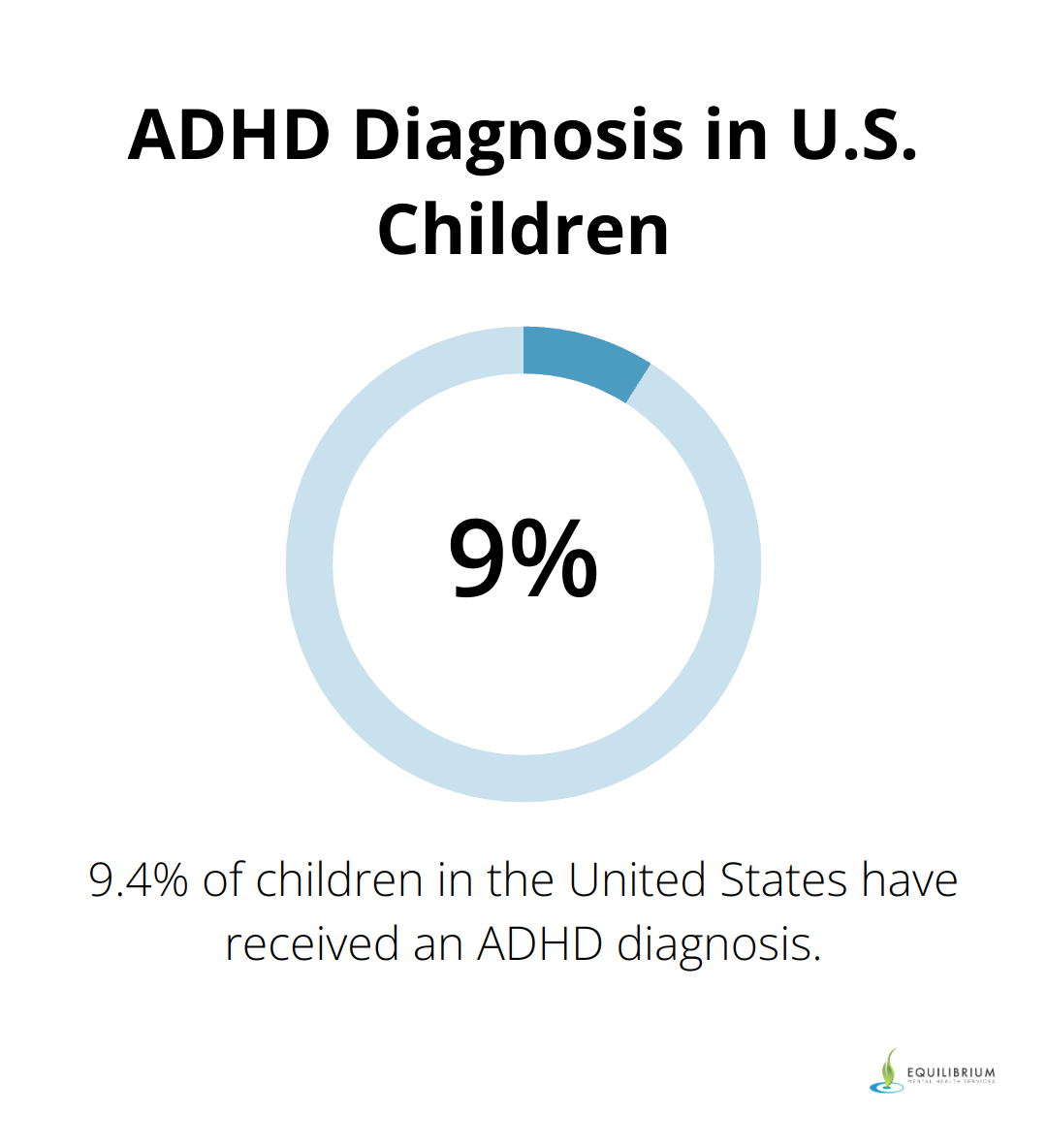
The Centers for Disease Control and Prevention (CDC) reports that approximately 9.4% of children in the United States have received an ADHD diagnosis. This prevalence highlights the need for comprehensive understanding and addressing of this condition.
Navigating Daily Challenges
Individuals with ADHD often encounter significant hurdles in various aspects of life:
- Academic Settings: Students might struggle to complete assignments or maintain focus during lectures.
- Workplace: Adults with ADHD may find it challenging to meet deadlines or manage time effectively.
- Relationships: Interrupting conversations or forgetting important dates and commitments can strain personal connections.
These challenges can lead to feelings of frustration, low self-esteem, and anxiety (which often coexist with ADHD).
Tailoring Management Strategies
The importance of personalized ADHD management plans cannot be overstated. What proves effective for one person may not yield results for another, which necessitates a comprehensive approach to assessment and treatment.
Some individuals find cognitive behavioral therapy (CBT) highly effective in developing coping strategies and improving executive functioning skills. Others benefit from mindfulness techniques or organizational tools to manage symptoms.
Working with mental health professionals who specialize in ADHD (such as those at Equilibrium Mental Health Services in Coral Gables) is essential to develop a tailored approach. This might involve a combination of therapy, lifestyle modifications, and in some cases, medication management.
ADHD is a complex condition that requires a nuanced understanding. If you suspect that you or a loved one may have ADHD, seeking professional evaluation is the first step towards effective management and improved quality of life.
As we move forward, let’s explore the various lifestyle modifications that can significantly impact ADHD management without relying on medication.
Lifestyle Tweaks for ADHD Success
Managing ADHD without medication requires a holistic approach that focuses on lifestyle modifications. Small changes can lead to significant improvements in ADHD symptoms.
Structuring Your Day
A consistent daily routine is essential for individuals with ADHD. Set a fixed wake-up time and bedtime. Use a visual schedule or a digital calendar to map out your day, including work tasks, breaks, and personal activities. This structure reduces decision fatigue and provides a sense of control.
Try to set aside 30-minute blocks for focused work, followed by 5-minute breaks. During these breaks, engage in quick physical activities like stretching or a brief walk to reset your focus.
Organizing Your Space and Mind
Clutter can be particularly challenging for those with ADHD. Implement a “everything has its place” rule in your home and workspace. Use clear, labeled containers for storage and create designated areas for specific activities.
Digital organization is equally important. Use apps like Trello or Asana for task management, and set up email filters to prioritize important messages. The goal is to reduce visual and mental clutter, allowing you to focus on what’s truly important.
The Power of Physical Activity
Regular exercise is a powerful tool for managing ADHD symptoms. The American Academy of Pediatrics recommends at least 60 minutes of physical activity daily for children with ADHD, and adults can benefit from similar guidelines.
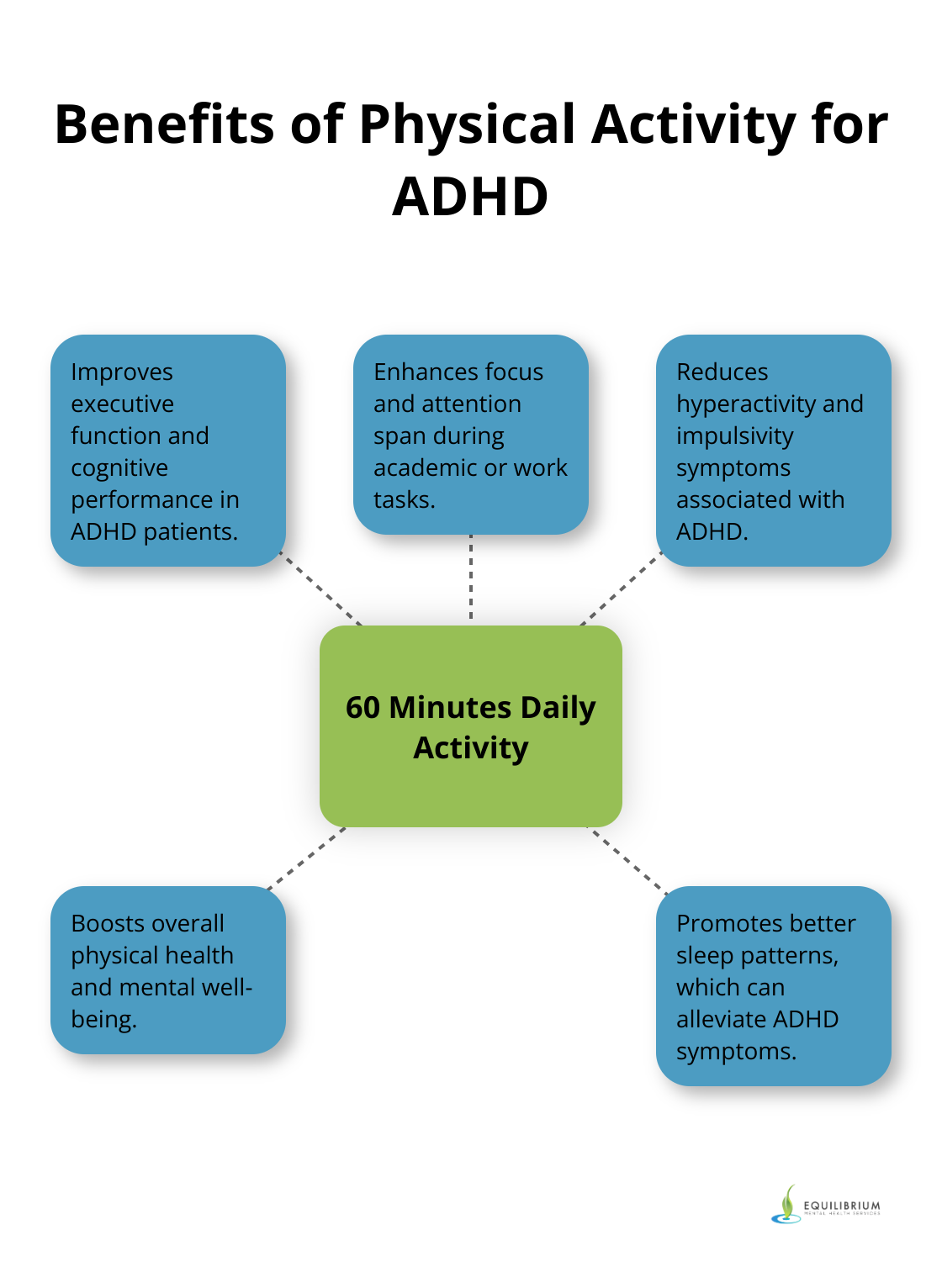
High-intensity interval training (HIIT) has shown particular promise. Studies have found that moderate or high-intensity aerobic exercise can effectively improve the executive function of ADHD patients to varying degrees.
Consider activities like swimming, martial arts, or team sports. These not only provide physical benefits but also help improve social skills and self-esteem.
Fueling Your Brain
Diet plays a key role in managing ADHD symptoms. While there’s no one-size-fits-all ADHD diet, certain nutritional strategies can help:
- Increase protein intake: Foods rich in protein can improve focus and cognitive function. Include eggs, lean meats, and legumes in your meals.
- Boost omega-3 fatty acids: These essential fats support brain health. Incorporate fatty fish like salmon or consider a high-quality supplement.
- Limit sugar and artificial additives: Some studies suggest that reducing these may help manage ADHD symptoms in certain individuals.
- Stay hydrated: Dehydration can exacerbate attention problems. Try to drink at least 8 glasses of water daily.
These lifestyle modifications work best when tailored to your specific needs. Patience and consistency are key to seeing improvements in ADHD symptoms.
As we explore non-pharmacological interventions in the next section, keep in mind that combining these lifestyle changes with targeted therapies can create a comprehensive approach to ADHD management.
Effective Therapies for ADHD Management
Cognitive Behavioral Therapy: Rewiring Thought Patterns
Cognitive Behavioral Therapy (CBT) stands as a cornerstone in ADHD management. This therapy helps individuals identify and change negative thought patterns and behaviors. CBT often focuses on developing strategies to improve time management, organization, and problem-solving skills.
A meta-analysis indicates that CBT for adults with ADHD was effective in reducing both core and emotional symptoms. Therapists tailor CBT techniques to each patient’s unique challenges, whether it’s procrastination, impulsivity, or difficulty with task completion.
Mindfulness: Cultivating Present-Moment Awareness
Mindfulness practices have gained traction in ADHD treatment. A 2018 study in the Journal of Attention Disorders reported that an 8-week mindfulness program led to significant reductions in ADHD symptoms and improvements in executive functioning.

Patients can start with short, guided meditations. Even five minutes of daily practice can make a difference. Apps like Headspace or Calm offer ADHD-specific meditations. For those in Pinecrest or surrounding areas, local mindfulness workshops or group sessions can help build a consistent practice.
Neurofeedback: Training the Brain
Neurofeedback is an innovative approach that shows promise for ADHD management. This technique involves real-time monitoring of brain activity, allowing individuals to learn how to regulate their brain waves. A systematic review and meta-analysis addressed the sustainability of neurofeedback and control treatment effects by considering randomized controlled trials.
Patients typically undergo 20-40 sessions (with each session lasting about 30 minutes). Many patients from Palmetto Bay have reported improved focus and reduced hyperactivity after completing a neurofeedback program.
Social Skills Training: Enhancing Interpersonal Relationships
For many individuals with ADHD, social interactions can present challenges. Social skills training addresses this by teaching strategies for effective communication, reading social cues, and managing impulsivity in social settings.
A study in the Journal of Clinical Child & Adolescent Psychology found that children who participated in social skills training showed significant improvements in peer relationships and social functioning. Both individual and group social skills training sessions provide a supportive environment for practicing these important skills.
These non-pharmacological interventions offer powerful tools for managing ADHD symptoms. However, it’s important to work with experienced professionals to develop a tailored treatment plan. Mental health services in Coral Gables (https://g.co/kgs/Toi7gBP) can help patients find the most effective combination of therapies for their unique needs.
Final Thoughts
Treating ADHD without drugs requires dedication, patience, and a personalized approach. Lifestyle modifications, such as consistent routines and regular exercise, can significantly impact ADHD symptoms and improve overall well-being. Non-pharmacological interventions like Cognitive Behavioral Therapy and mindfulness practices offer powerful tools for managing ADHD symptoms effectively.
Professional guidance plays a key role in successful ADHD management. Every individual’s experience with ADHD is unique, and what works for one person may not work for another. Mental health professionals who specialize in ADHD can provide expert, evidence-based care tailored to each person’s needs.
Equilibrium Mental Health Services offers personalized treatment plans for adults with ADHD in Coral Gables and surrounding areas. Our team creates strategies that may include therapy, lifestyle modifications, and (when necessary) medication management. We invite you to contact us to explore effective approaches for managing your ADHD and unlocking your full potential.


