
Obsessive-Compulsive Disorder (OCD) is often associated with childhood or adolescence, but many people wonder: can OCD develop later in life?
At Equilibrium Mental Health Services, we’ve seen that OCD can indeed emerge in adulthood, sometimes catching individuals off guard. This blog post explores the factors contributing to late-onset OCD and discusses effective treatment options for adults grappling with this challenging condition.
What Is OCD in Adults?
Understanding Obsessive-Compulsive Disorder
Obsessive-Compulsive Disorder (OCD) affects millions of adults worldwide. This mental health condition involves persistent, unwanted thoughts (obsessions) and repetitive behaviors or mental acts (compulsions) that a person feels driven to perform. These symptoms can consume significant time and cause distress, interfering with work, relationships, and overall quality of life.
Prevalence and Onset
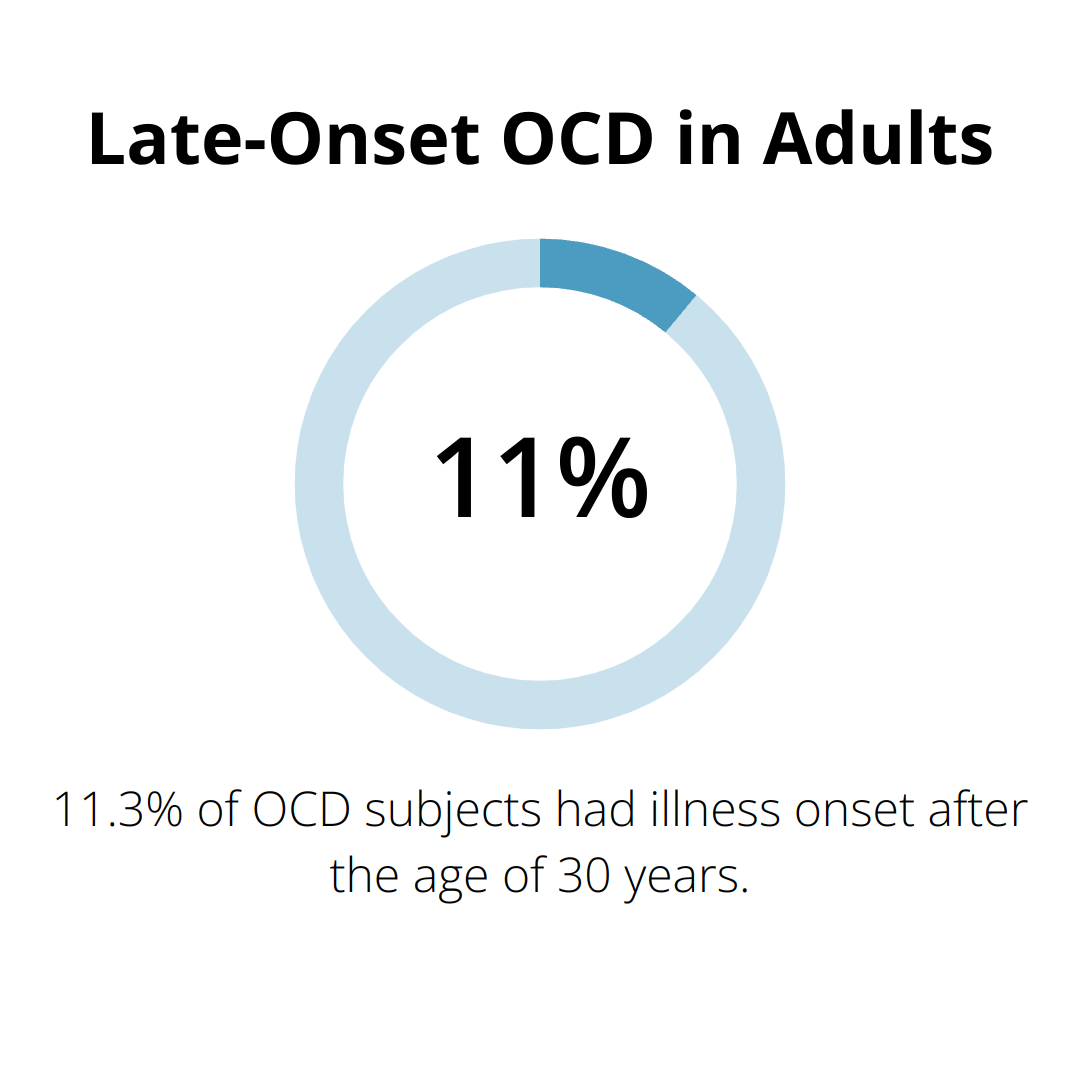
About 2.3% of the population experiences OCD in a given year. While OCD often begins in childhood or adolescence, it can also develop in adulthood. Approximately 11.3% of OCD subjects had illness onset after the age of 30 years, according to a study published in the Journal of Psychiatric Research.
Common Symptoms in Adults
Adults with OCD may experience a range of symptoms. Common obsessions include:
- Fear of contamination or germs
- Unwanted thoughts about harm or violence
- Excessive concern with order or symmetry
- Intrusive sexual or religious thoughts
These obsessions often lead to compulsions such as:
- Excessive hand washing or cleaning
- Checking locks, appliances, or switches repeatedly
- Arranging objects in a specific order
- Mental rituals (e.g., counting or repeating phrases)
OCD in Urban Environments
In urban areas like Miami psychiatry, Coral Gables, and Brickell, awareness of OCD among adults continues to grow. The fast-paced lifestyle and high-stress environments in these cities can sometimes exacerbate OCD symptoms. However, it’s important to note that stress alone does not cause OCD; it’s a complex disorder with both genetic and environmental factors.
Challenges of Late-Onset OCD
Individuals who develop OCD later in life face unique challenges. They may have established coping mechanisms and life patterns that suddenly become disrupted by OCD symptoms. This sudden onset can lead to confusion and distress, as adults try to understand and manage their new symptoms while maintaining their existing responsibilities and relationships.
As we explore the factors that contribute to late-onset OCD, we’ll uncover the complex interplay of genetics, environment, and neurological changes that can trigger this condition in adulthood.
Why OCD Develops in Adults
Genetic Vulnerability Meets Life Stressors
OCD can emerge unexpectedly in adulthood, often puzzling individuals about its sudden onset. While OCD has a strong genetic component, it doesn’t always manifest in childhood. Some adults carry a genetic predisposition that remains dormant until triggered by significant life events. Recent research suggests a polygenic hypothesis involving multiple genes in the development of OCD.
In bustling urban areas like Brickell, the fast-paced lifestyle can increase stress levels, potentially activating latent OCD tendencies. Common triggers include:
- Career changes or job loss
- Relationship difficulties or divorce
- Financial pressures
- Health scares or diagnoses
Hormonal Shifts and Brain Chemistry
Hormonal fluctuations, particularly in women, can play a role in late-onset OCD. The perimenopause and postpartum periods are times of heightened vulnerability. Research has examined the prevalence rate, clinical characteristics, and related factors of postpartum obsessive-compulsive disorder.
For residents in areas like Coral Gables, where work-life balance can challenge many, hormonal changes combined with daily stressors may create a perfect storm for OCD onset.
Neurological Changes in Aging
As we age, our brains undergo natural changes that can influence mental health. Research published in Frontiers in Aging Neuroscience suggests that alterations in brain structure and function may contribute to the emergence of OCD symptoms in older adults.
In Miami, where the population includes a significant number of retirees, mental health professionals have noticed an increase in OCD diagnoses among older adults. This underscores the importance of mental health awareness across all age groups.
Environmental Factors
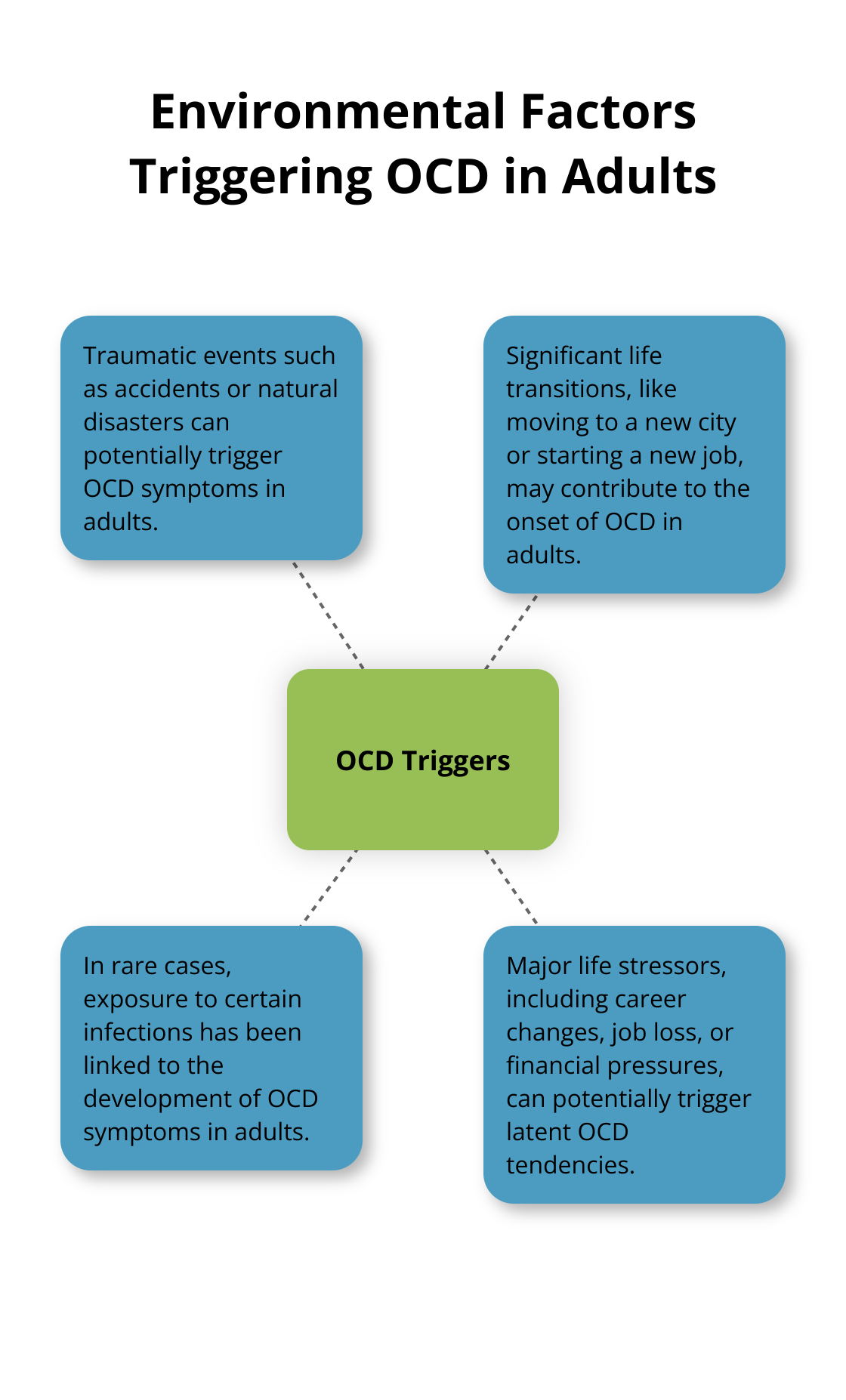
Environmental stressors can also trigger OCD in adults. These may include:
- Traumatic events (e.g., accidents, natural disasters)
- Significant life transitions (moving to a new city, starting a new job)
- Exposure to certain infections (in rare cases)
Residents of Pinecrest and other Florida communities may face unique environmental stressors (such as hurricane threats) that could potentially contribute to the development of anxiety disorders, including OCD.
The Role of Comorbid Conditions
Often, OCD doesn’t occur in isolation. Other mental health conditions can coexist with or precede the onset of OCD in adults. These may include:
- Depression
- Anxiety disorders
- Eating disorders
- Substance use disorders
The presence of these conditions can complicate the diagnosis and treatment of late-onset OCD, making it essential for individuals to seek comprehensive mental health evaluations.
As we explore the diagnosis and treatment options for late-onset OCD in the next section, it’s important to understand that each person’s experience with OCD is unique. The interplay of genetic, environmental, and neurological factors creates a complex picture that requires individualized care and attention.
Diagnosing and Treating Late-Onset OCD
Recognizing OCD in Adults
Late-onset OCD presents unique challenges in diagnosis and treatment. Mental health professionals use the Diagnostic and Statistical Manual of Mental Disorders (DSM-5) to identify OCD in adults. The criteria include the presence of obsessions, compulsions, or both, which consume significant time and cause distress or impairment in daily functioning.
Adults in Coral Gables and surrounding areas should note that OCD symptoms may manifest differently compared to younger individuals. Adults often experience more subtle compulsions or primarily mental rituals, which can make the condition less obvious to others.
Differentiating OCD from Other Conditions
One major challenge in diagnosing late-onset OCD involves distinguishing it from other mental health conditions. Anxiety disorders, depression, and early signs of dementia can present with symptoms similar to OCD. This necessitates a thorough assessment by a qualified mental health professional.
In Brickell’s fast-paced environment, stress-related symptoms can sometimes mimic OCD. However, true OCD persists regardless of external stressors and typically involves specific themes or patterns of thoughts and behaviors.
Effective Treatment Approaches
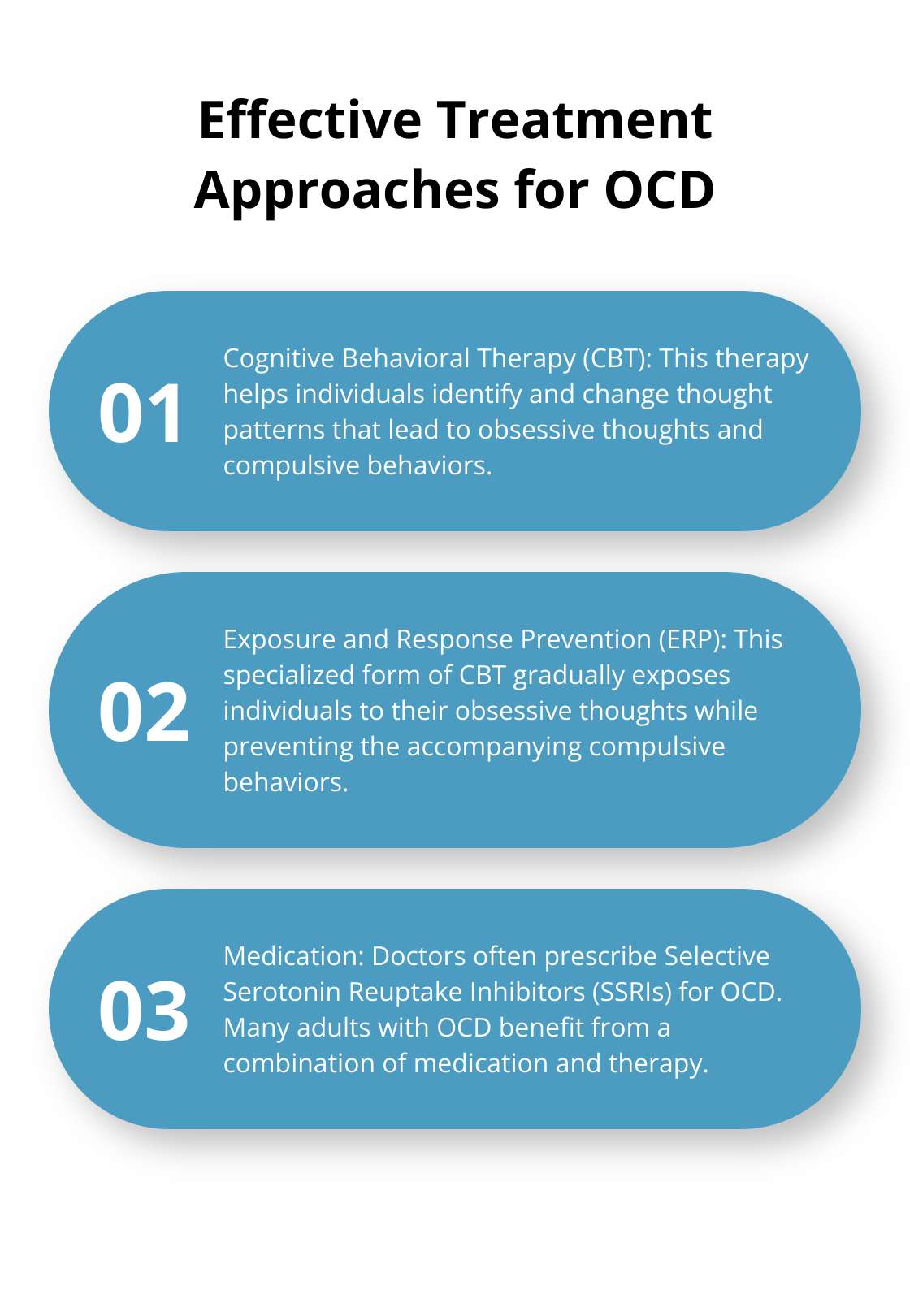
Several evidence-based treatments can help adults manage OCD symptoms effectively:
- Cognitive Behavioral Therapy (CBT): This therapy helps individuals identify and change thought patterns that lead to obsessive thoughts and compulsive behaviors.
- Exposure and Response Prevention (ERP): This specialized form of CBT gradually exposes individuals to their obsessive thoughts while preventing the accompanying compulsive behaviors.
- Medication: Doctors often prescribe Selective Serotonin Reuptake Inhibitors (SSRIs) for OCD.
- Combination Therapy: Many adults with OCD benefit from a combination of medication and therapy.
Lifestyle Modifications
Certain lifestyle changes can support OCD management:
- Stress reduction techniques: Practices like mindfulness meditation have shown promise in reducing OCD symptoms.
- Regular exercise: Physical activity can help manage anxiety and improve overall mental health.
- Sleep hygiene: A consistent sleep schedule can help stabilize mood and reduce anxiety, potentially lessening OCD symptoms.
Residents in Miami and surrounding areas (including Pinecrest and Palmetto Bay) can take advantage of local resources such as support groups or wellness centers to provide additional support in managing OCD symptoms.
Miami psychiatry services are equipped to provide comprehensive care for adults dealing with late-onset OCD. The combination of professional treatment with lifestyle modifications often leads to significant symptom relief and improved overall well-being for many individuals.
Final Thoughts
OCD can develop later in life, often surprising adults who experience its onset. This late-onset form of OCD intertwines with life stressors, hormonal changes, and neurological shifts that accompany aging. Proper diagnosis becomes essential, as mental health experts must differentiate OCD from other conditions with similar symptoms.
Effective treatments for late-onset OCD exist and can improve quality of life significantly. These include cognitive behavioral therapy, exposure response prevention, medication, and lifestyle modifications. The right combination of treatments varies for each individual.
Miami psychiatry services offer expert care for adults grappling with late-onset OCD. Equilibrium Mental Health Services provides personalized treatment plans that combine evidence-based therapies with compassionate support. We encourage individuals experiencing symptoms of late-onset OCD to seek professional help and start their path to recovery.


