
Many people wonder: can depression turn into bipolar disorder? This question reflects a common concern among patients experiencing mood changes over time.
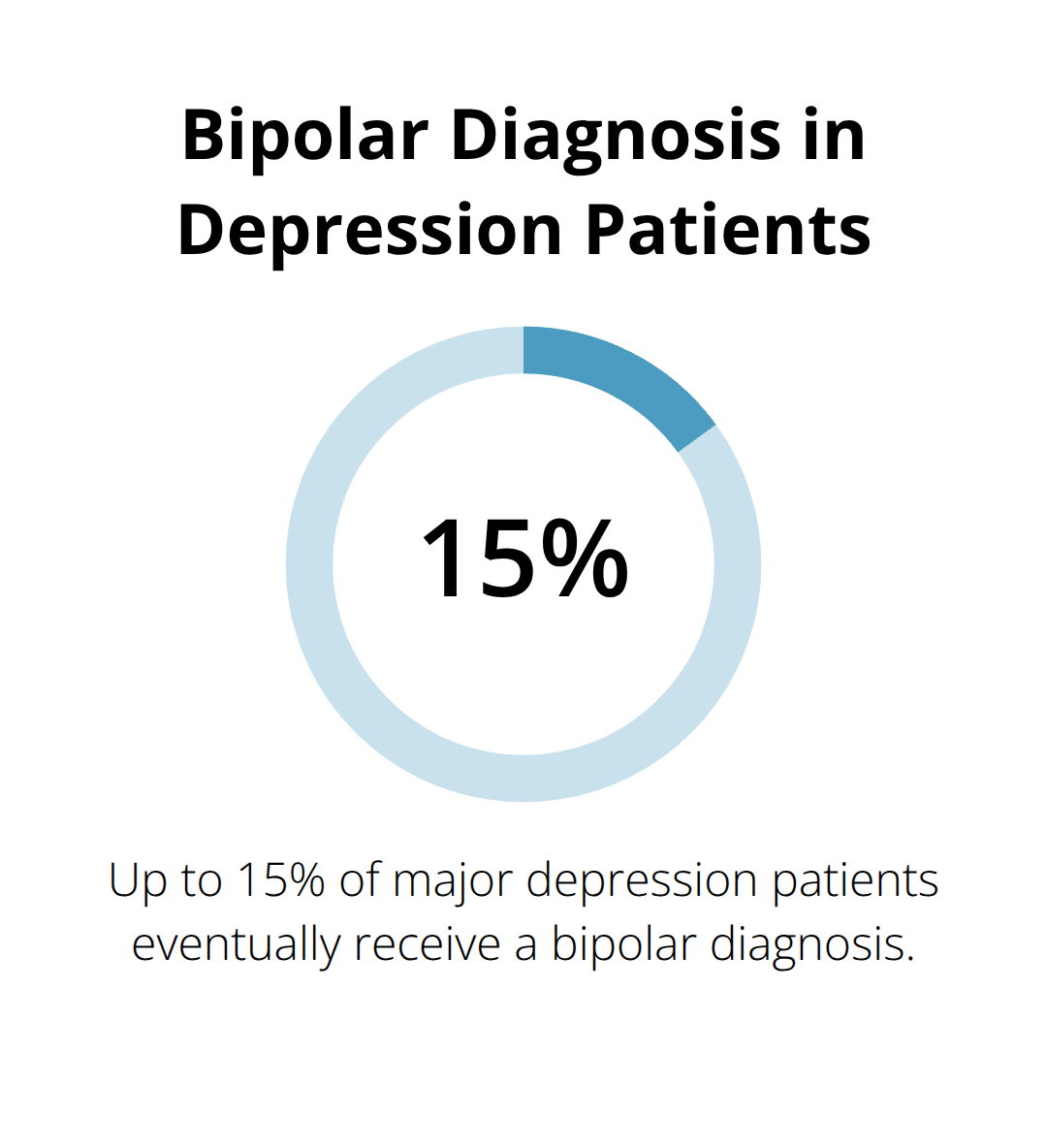
At Equilibrium Mental Health Services, we frequently see individuals initially diagnosed with depression who later develop manic episodes. Research shows that 10-15% of people with major depression eventually receive a bipolar diagnosis.
Understanding this progression helps patients recognize warning signs and seek appropriate treatment adjustments when symptoms evolve.
What Makes Depression Different from Bipolar Disorder
Depression and bipolar disorder share overlapping symptoms that create diagnostic challenges, yet their distinctions remain vital for proper treatment. Major depressive disorder affects over 17 million American adults annually, while bipolar disorder impacts approximately 6 million people. The key difference lies in mood patterns: depression involves persistent low moods, while bipolar disorder cycles between depressive episodes and periods of mania or hypomania.
Distinct Mood Patterns
Depression maintains consistent low moods over weeks or months. Patients experience persistent sadness, hopelessness, and loss of interest in activities they once enjoyed. Bipolar disorder operates differently-it alternates between extreme mood states. These cycles can last days, weeks, or months, with some individuals experiencing rapid shifts between episodes.
Manic Episode Characteristics
Manic episodes distinguish bipolar disorder from depression completely. These episodes last at least seven days and include excessive energy, decreased sleep needs, rapid speech, and impulsive behaviors like spending sprees. Hypomania presents similar symptoms but with less severity and shorter duration (lasting at least four consecutive days). Many patients overlook manic symptoms because they feel productive or euphoric during these periods.
Age and Onset Differences
Young adults aged 18-25 years show the highest prevalence of mental health conditions at 36.2%, compared to adults aged 26-49 years at 29.4%. Bipolar disorder often emerges in late teens or early twenties, while depression can develop at any age. Family history plays a role in bipolar disorder, with research estimating the heritability rate at approximately 44%.
Daily Life Impact Variations
Both conditions disrupt daily life, but in different ways. Depression consistently impairs concentration, energy, and motivation. Routine tasks feel overwhelming, and patients struggle with persistent fatigue. Bipolar disorder creates unpredictable cycles that affect work performance, relationships, and decision-making. During manic phases, individuals might make rash financial decisions or engage in risky behaviors they later regret.
These diagnostic complexities explain why many patients initially receive depression diagnoses before healthcare providers recognize the full bipolar pattern. For comprehensive mental health support, consider consulting with Miami psychiatry professionals who specialize in mood disorders.
Why Does Depression Get Diagnosed First?
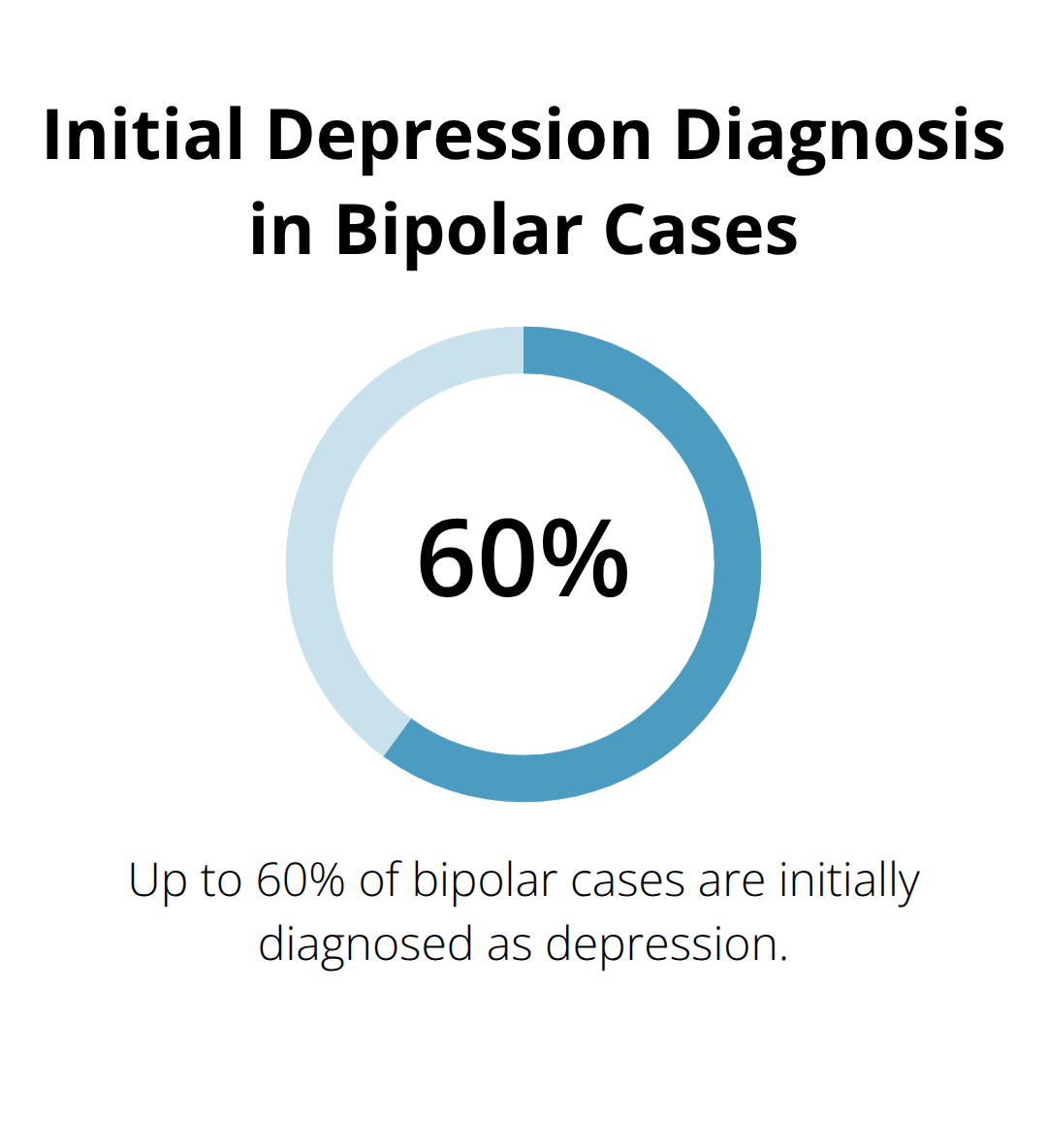
Healthcare providers diagnose depression before bipolar disorder in 40-60% of cases because patients typically seek treatment during depressive episodes rather than manic phases. Research shows that individuals initially diagnosed with major depression may receive a bipolar diagnosis over time, with diagnostic conversion being an important clinical consideration. This diagnostic delay occurs because manic episodes often feel euphoric or productive, which leads patients to avoid treatment during these periods.
The Diagnostic Timeline Challenge
Studies indicate that depression patients can transition to bipolar disorder over extended periods, with diagnostic switches occurring after careful clinical observation. Younger patients face higher conversion risks-those aged 15-29 show the strongest predictive factors for developing bipolar disorder. Severe initial depressive episodes, presence of psychotic features, and comorbid anxiety disorders significantly increase transition likelihood.
Warning Signs That Predict Conversion
Substance misuse and self-harm behaviors within the first year strongly predict diagnostic changes. Patients who experience multiple depressive episodes face elevated risks of bipolar development. Family history of mood disorders creates additional vulnerability, particularly when combined with early-onset symptoms. Healthcare providers must watch for these red flags during routine depression treatment.
Treatment Complications From Misdiagnosis
Antidepressant monotherapy in unrecognized bipolar disorder can trigger manic episodes, though recent research suggests this risk may be lower than previously thought. Studies have found reduced mania induction when mood stabilizers accompany antidepressants. However, diagnostic accuracy remains paramount because inappropriate treatment leads to higher healthcare costs and prolonged suffering. For comprehensive evaluation and treatment, consider consulting Miami psychiatry specialists.
These diagnostic complexities highlight why comprehensive assessment becomes essential when depression symptoms persist or evolve, particularly when standard treatments fail to provide expected relief.
How We Treat Depression and Bipolar Disorder Effectively
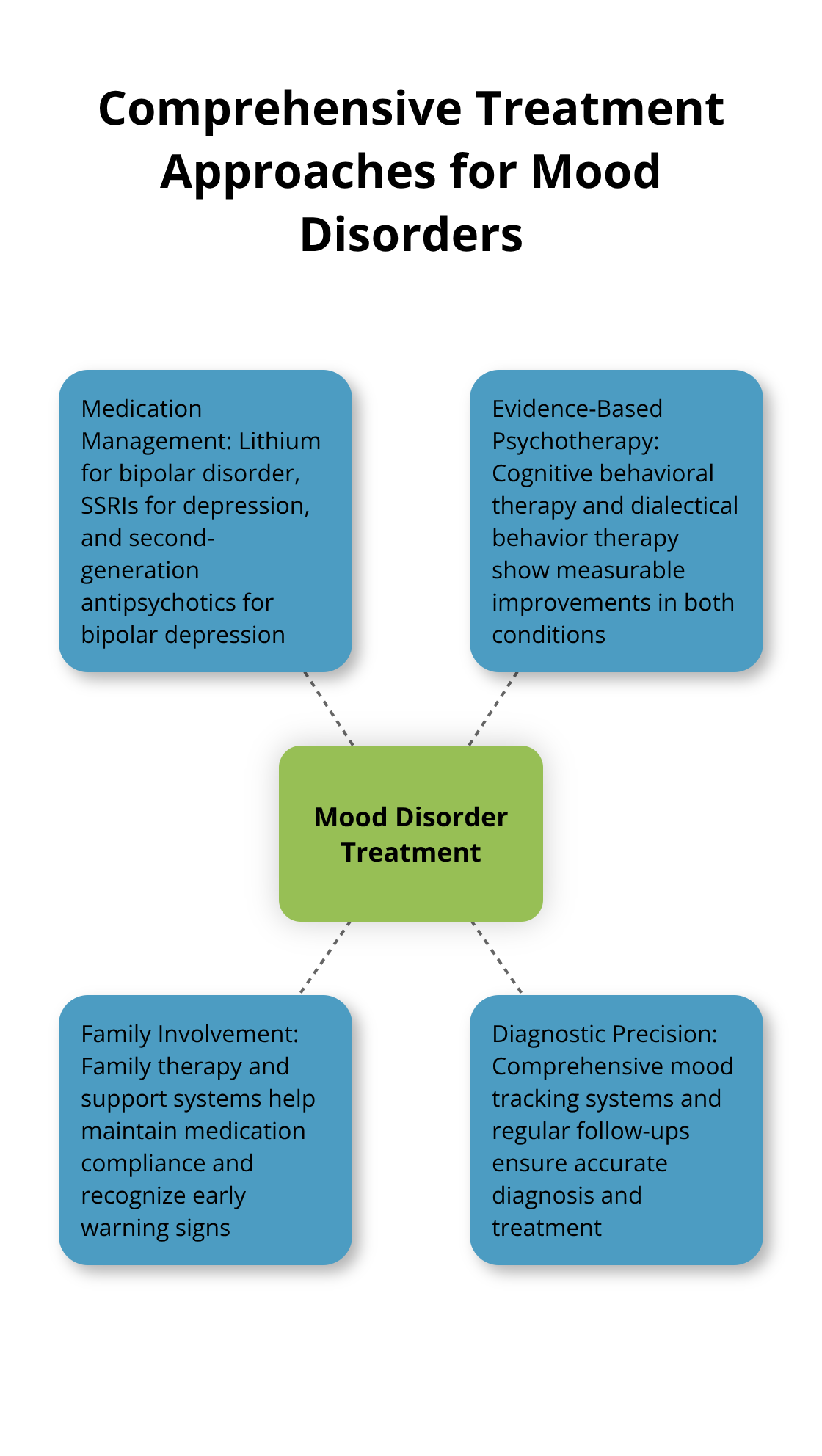
Effective treatment for mood disorders requires different approaches based on accurate diagnosis. Lithium remains the gold standard for bipolar disorder, with studies that show symptom reduction within two weeks of treatment initiation. For depression, selective serotonin reuptake inhibitors demonstrate effectiveness, though response rates vary significantly. Second-generation antipsychotics like quetiapine and lurasidone specifically target bipolar depression episodes and show superior outcomes compared to traditional antidepressants alone.
Medication Management Strategies
Psychiatrists focus on medication protocols that minimize side effects while they maximize therapeutic benefits. Regular blood work monitors medication levels and metabolic effects (particularly important for lithium and antipsychotic medications). Healthcare providers adjust dosages based on individual response patterns, which prevents complications and optimizes treatment outcomes. Recent research from Aarhus University found that antidepressants carry negligible mania risk when combined with mood stabilizers in bipolar patients.
Evidence-Based Psychotherapy Options
Cognitive behavioral therapy produces measurable improvements in both conditions, with variable results in improving depression levels and mania severity. Dialectical behavior therapy proves particularly effective for bipolar patients who struggle with emotional regulation. This therapy teaches practical skills for intense mood swing management. Dual treatment approaches show superior outcomes compared to medication alone (combining therapy with pharmaceutical intervention increases success rates substantially).
Family Involvement and Support Systems
Family therapy becomes essential when mood disorders affect relationships, with evidence from meta-analyses showing effectiveness of systemic interventions for families. Healthcare providers educate family members about mood disorder symptoms and treatment expectations. Support systems help patients maintain medication compliance and recognize early warning signs of mood episodes. Miami residents can access comprehensive family therapy services through specialized Miami psychiatry practices.
Diagnostic Precision and Monitoring
Accurate diagnosis prevents treatment failures and reduces healthcare costs according to recent healthcare economics research. Comprehensive mood tracking systems identify patterns over 3-6 month periods, which allows clinicians to distinguish between unipolar depression and bipolar symptoms. Healthcare teams schedule follow-up appointments every 2-4 weeks during initial treatment phases, then monthly once stabilization occurs. Consistent monitoring prevents relapse and medication complications while it maintains therapeutic progress.
Final Thoughts
Professional evaluation becomes essential when depression symptoms evolve or standard treatments fail to provide relief. Research confirms that depression can turn into bipolar disorder in 10-15% of cases, which makes ongoing assessment vital for optimal outcomes. Healthcare providers must monitor mood patterns carefully to detect these diagnostic transitions early.
We at Equilibrium Mental Health Services understand mood disorder complexities and provide comprehensive evaluations to distinguish between depression and bipolar disorder. Our team offers evidence-based treatments that address each individual’s specific symptoms and circumstances. We work with adults throughout the Miami area who experience persistent mood changes or treatment-resistant depression.
Professional consultation becomes necessary when you experience manic episodes or notice significant mood pattern changes (particularly if family history includes bipolar disorder). Our psychiatrists create personalized treatment plans based on thorough assessment and ongoing monitoring. Contact Equilibrium Mental Health Services today to schedule a consultation and begin your path toward improved mental well-being.


