
At Equilibrium Mental Health Services, we often encounter patients grappling with both depression and obsessive-compulsive disorder (OCD). Many wonder: can depression lead to OCD?
While these conditions are distinct, they frequently co-occur and can influence each other in complex ways. Understanding this relationship is crucial for effective treatment and management of both disorders.
What Are Depression and OCD?
Understanding Depression
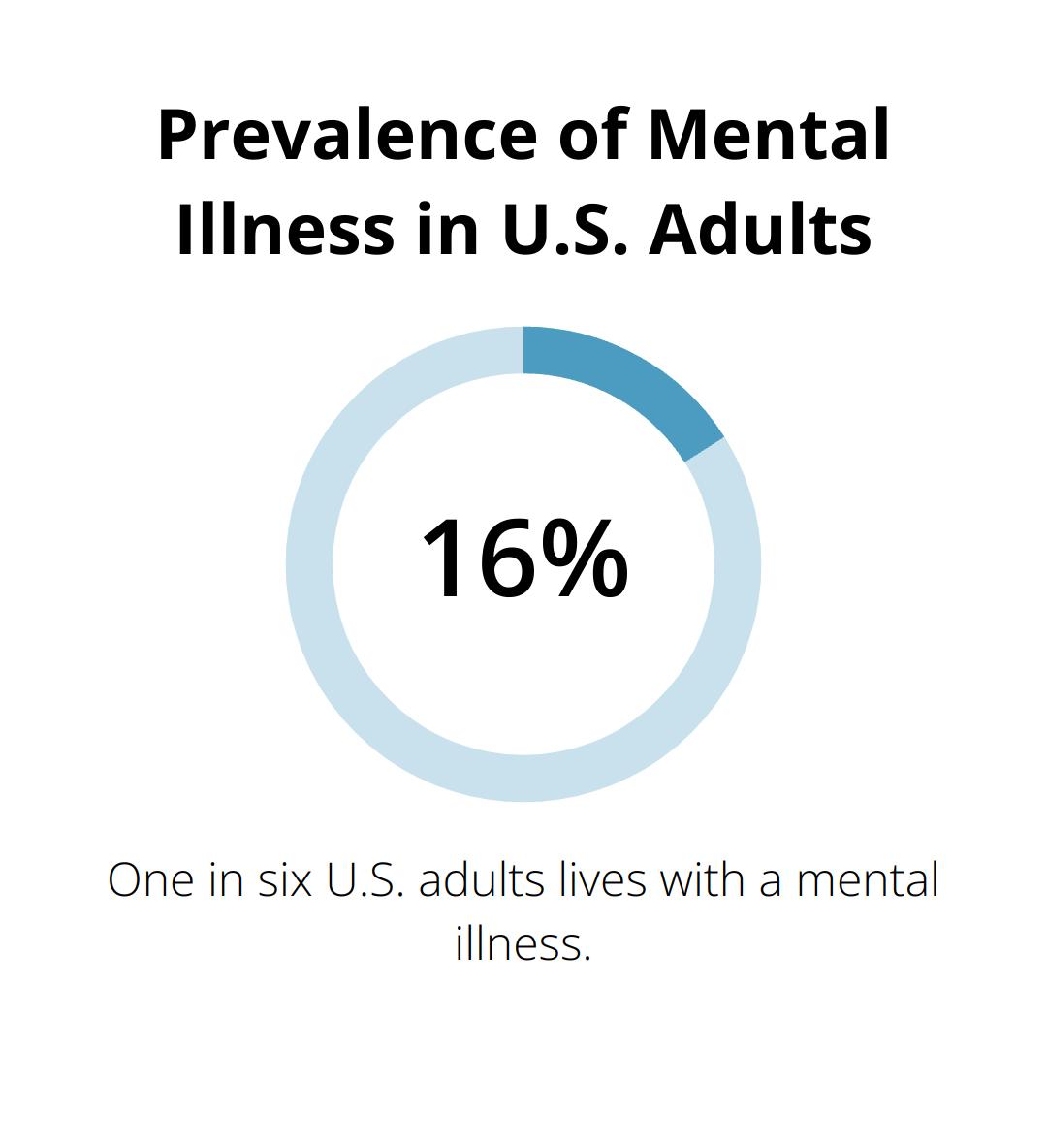
Depression is more than just feeling sad. It’s a persistent mood disorder that affects a person’s thoughts, feelings, and daily activities. One in six U.S. adults lives with a mental illness.
Common symptoms of depression include:
- Persistent sad, anxious, or “empty” mood
- Feelings of hopelessness or pessimism
- Irritability
- Loss of interest or pleasure in hobbies and activities
- Decreased energy or fatigue
- Difficulty with concentration, memory, or decision-making
- Sleep disturbances (insomnia or oversleeping)
- Changes in appetite or weight
- Thoughts of death or suicide
Recognizing OCD
Obsessive-Compulsive Disorder (OCD) is characterized by recurring, unwanted thoughts (obsessions) and repetitive behaviors (compulsions). Approximately 1.2% of adults in the U.S. have OCD annually.
Key symptoms of OCD include:
- Intrusive thoughts or images that cause distress
- Repetitive behaviors or mental acts performed to reduce anxiety
- Time-consuming rituals that interfere with daily life
- Inability to control obsessive thoughts or compulsive behaviors
The Interplay Between Depression and OCD
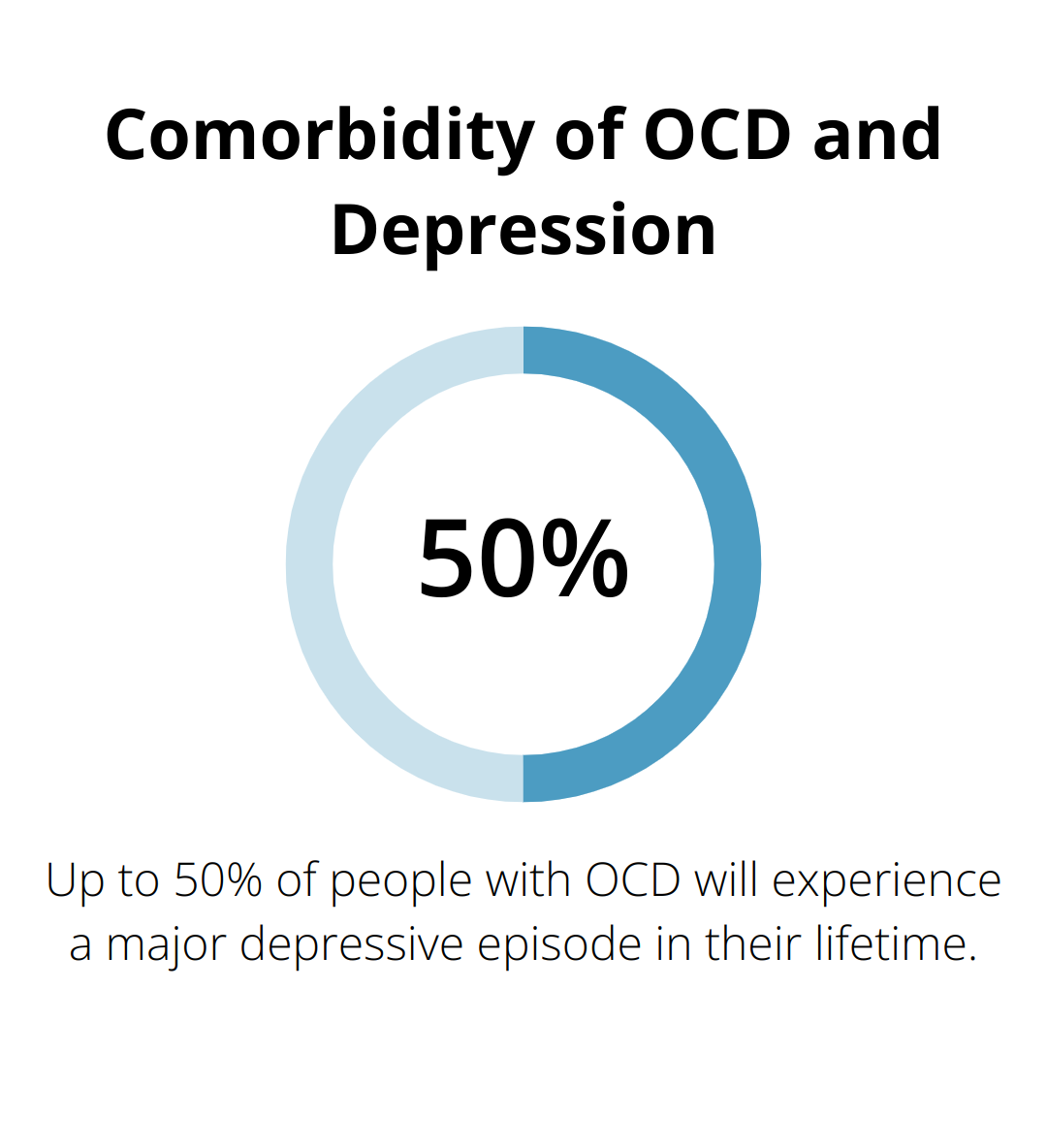
Many patients with OCD also experience depressive symptoms. Studies show that up to 50% of individuals with OCD will have a major depressive episode at some point in their lives.
The relationship between these conditions is complex. OCD symptoms can lead to feelings of hopelessness and isolation, potentially triggering depressive episodes. Conversely, the low mood and lack of motivation associated with depression can worsen OCD symptoms.
Impact on Daily Life
Both depression and OCD can significantly impact a person’s quality of life. Individuals with these conditions may struggle with:
- Maintaining relationships
- Performing well at work or school
- Engaging in social activities
- Completing daily tasks and self-care
Seeking Professional Help
Understanding the nuances of both conditions is essential for effective treatment. If you’re in Coral Gables (or any other area in Miami) and struggle with symptoms of depression, OCD, or both, consider reaching out to a Miami psychiatry professional. Early intervention and personalized treatment plans can significantly improve outcomes for both disorders.
In the next section, we’ll explore the link between depression and OCD in more detail, including research findings on comorbidity and shared risk factors.
How Depression and OCD Interact
Comorbidity: A Common Occurrence
Depression and Obsessive-Compulsive Disorder (OCD) often coexist, creating a complex interplay that significantly impacts an individual’s mental health. Research from the National Institute of Mental Health reveals that up to 50% of people with OCD will experience a major depressive episode in their lifetime. This high comorbidity rate underscores the importance of understanding how these conditions influence each other.
Shared Risk Factors
Depression and OCD share several risk factors, which may explain their frequent co-occurrence. Both conditions are associated with imbalances in neurotransmitters, particularly serotonin. Genetic predisposition also plays a role, with family history increasing the likelihood of developing either disorder. Traumatic life events and chronic stress can trigger both depression and OCD symptoms.
Neurobiological Similarities
Brain imaging studies have revealed overlapping neural circuits involved in both depression and OCD. The prefrontal cortex and the limbic system, which regulate mood and anxiety, show altered activity in individuals with these conditions. This neurobiological overlap suggests that treating one disorder may have positive effects on the other.
Symptom Exacerbation
Depression can worsen OCD symptoms in several ways. The low energy and motivation associated with depression may make it harder for individuals to resist compulsive behaviors or challenge intrusive thoughts. Additionally, the negative self-talk common in depression can fuel OCD-related fears and doubts.
Conversely, the constant stress and anxiety caused by OCD can lead to feelings of hopelessness and despair, potentially triggering or deepening depression. The social isolation (often experienced by those with OCD) can further contribute to depressive symptoms.
Treatment Considerations
Understanding the intricate relationship between depression and OCD is essential for effective treatment. Professionals in Miami psychiatry (including those in Coral Gables, Pinecrest, and Palmetto Bay) recognize the importance of addressing both conditions simultaneously for optimal outcomes. An integrated approach ensures that patients receive comprehensive care tailored to their unique needs.
The complex interplay between depression and OCD necessitates a thorough evaluation by mental health professionals. In the next section, we will explore various treatment approaches that address both conditions effectively.
Effective Treatments for Depression and OCD
Cognitive Behavioral Therapy (CBT)
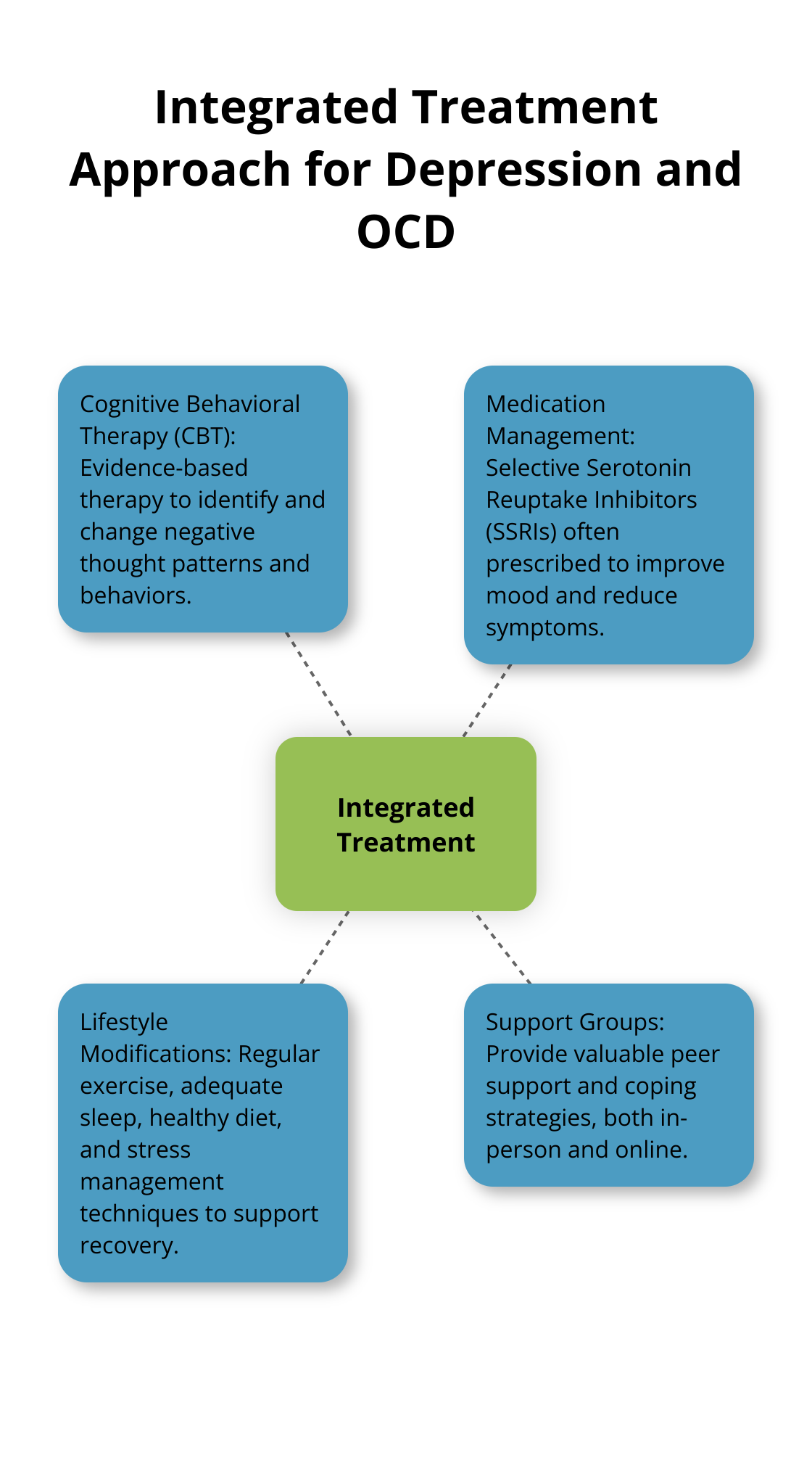
CBT stands as a cornerstone in treating both depression and OCD. This evidence-based therapy helps patients identify and change negative thought patterns and behaviors. For OCD, a specific form of CBT called Exposure and Response Prevention (ERP) proves particularly effective. ERP gradually exposes patients to their obsessive thoughts while teaching them to resist compulsive behaviors.
A meta-analysis found that intensive CBT was superior to regular CBT in reducing obsessive-compulsive symptoms from pre- to post-treatment in youth and adults with OCD.
Medication Management
Selective Serotonin Reuptake Inhibitors (SSRIs) are often prescribed for both depression and OCD. These medications increase serotonin levels in the brain, which can improve mood and reduce obsessive thoughts and compulsive behaviors.
It’s important to note that finding the right medication and dosage takes time. Mental health professionals in Coral Gables (and surrounding areas like Pinecrest and Palmetto Bay) work closely with their patients to monitor progress and adjust treatment as needed.
Integrated Treatment Plans
The most effective approach to treating co-occurring depression and OCD involves an integrated treatment plan. This combines therapy, medication (if appropriate), and lifestyle changes tailored to each patient’s unique needs.
For example, a patient might receive weekly CBT sessions, take an SSRI medication, and incorporate stress-reduction techniques (like mindfulness meditation) into their daily routine. This multi-faceted approach addresses both conditions simultaneously, leading to better outcomes.
Lifestyle Modifications
In addition to therapy and medication, certain lifestyle changes can support recovery from depression and OCD:
- Regular exercise (which boosts mood and reduces anxiety)
- Adequate sleep (crucial for mental health)
- Healthy diet (to support overall well-being)
- Stress management techniques (such as deep breathing or yoga)
Support Groups
Joining support groups can provide valuable peer support and coping strategies. Many individuals find comfort in sharing experiences with others who understand their struggles. Support groups exist both in-person and online, offering flexibility for those in Miami and beyond.
Mental health professionals understand the complexities of co-occurring depression and OCD. Teams of experienced professionals in Miami psychiatry dedicate themselves to providing comprehensive, personalized care to help patients achieve lasting recovery.
Final Thoughts
Depression and OCD often intertwine, creating unique challenges for those affected. While depression doesn’t directly cause OCD, the relationship between these disorders is complex and bidirectional. The persistent low mood associated with depression can exacerbate OCD symptoms, making it harder for individuals to resist compulsions or challenge intrusive thoughts.
Mental health experts can provide a comprehensive evaluation, accurately diagnose co-occurring disorders, and develop tailored treatment plans that address both depression and OCD simultaneously. Miami psychiatry services offer specialized care for individuals who struggle with depression, OCD, or both (including residents in Coral Gables, Pinecrest, and surrounding areas). These professionals employ evidence-based treatments such as Cognitive Behavioral Therapy, medication management, and integrated approaches that combine multiple strategies for optimal results.
We at Equilibrium Mental Health Services understand the nuances of treating co-occurring depression and OCD. Our team of experienced professionals provides personalized, compassionate care to help you navigate these challenges and work towards improved mental well-being. If you wonder, “Can depression lead to OCD?” or struggle with symptoms of either condition, don’t hesitate to reach out. Contact Equilibrium Mental Health Services today to take the first step on your journey to recovery.


