
Many people wonder: can depression turn into bipolar disorder? This question reflects a common misunderstanding about how these mental health conditions relate to each other.
Depression doesn’t actually transform into bipolar disorder. However, what initially appears as depression may later reveal itself as the depressive phase of bipolar disorder when manic or hypomanic episodes emerge.
At Equilibrium Mental Health Services, we see patients who received depression diagnoses years before their bipolar disorder became apparent.
Understanding the Relationship Between Depression and Bipolar Disorder
Major depression affects over 17 million American adults annually, while bipolar disorder impacts approximately 6 million adults. The fundamental difference lies in mood patterns: major depression involves persistent low mood, hopelessness, and loss of interest that lasts at least two weeks. Bipolar disorder creates extreme mood swings between depressive episodes and periods of mania or hypomania, characterized by elevated energy, decreased sleep needs, and risky behaviors.
Depression Often Appears First in Bipolar Disorder
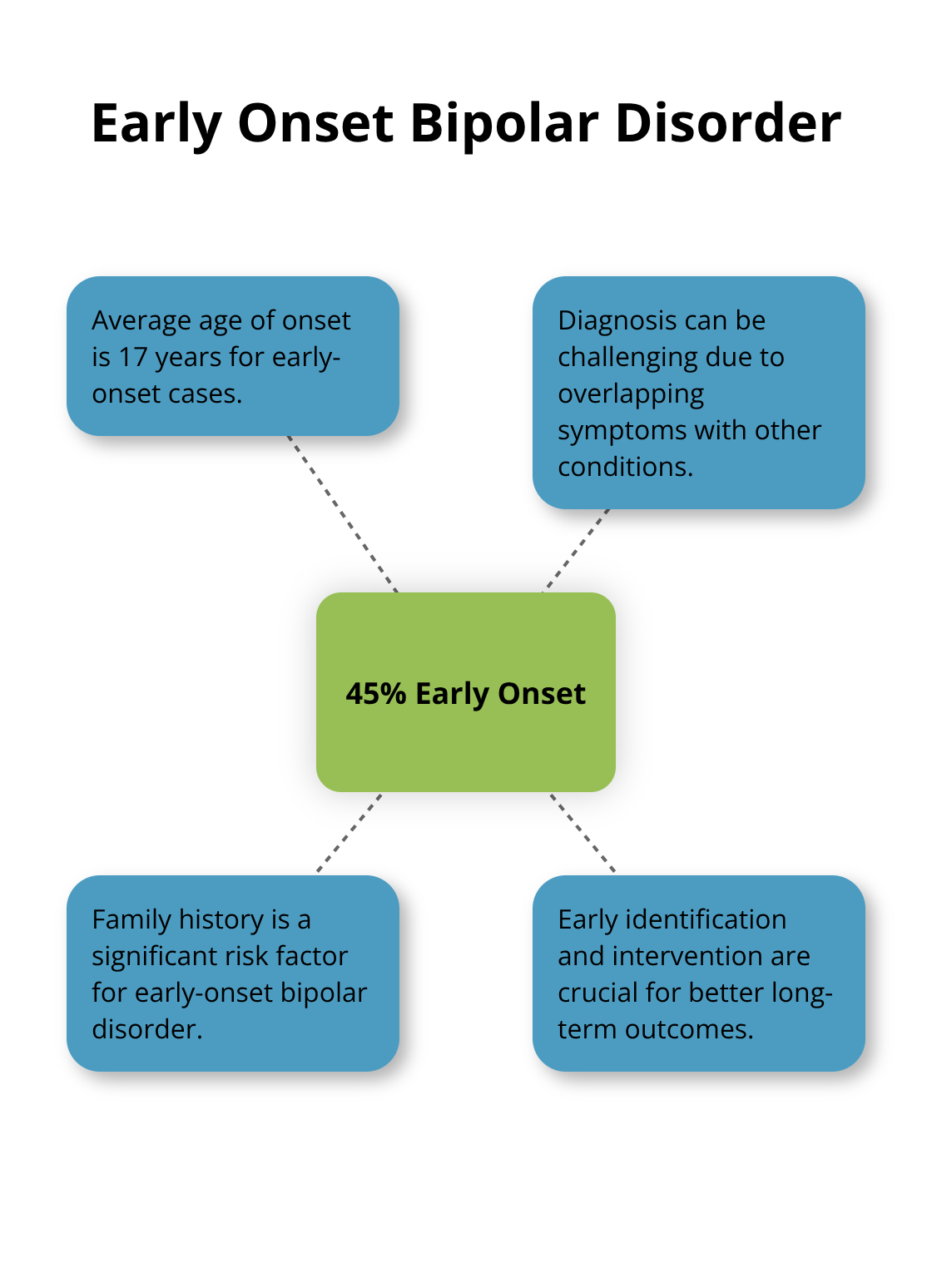
Most cases (45%) have an early-onset, with an average age of 17 years, which makes initial diagnosis challenging. People may take 5 to 10 years to receive an accurate bipolar diagnosis after they seek treatment, according to research studies.
This delay occurs because manic episodes haven’t yet emerged when patients first seek help for depression. Family history significantly increases bipolar risk-over two-thirds of affected individuals have a close relative with the condition. If you have depression plus a family history of mood disorders, symptom tracking becomes vital for proper diagnosis.
Common Misdiagnosis Patterns
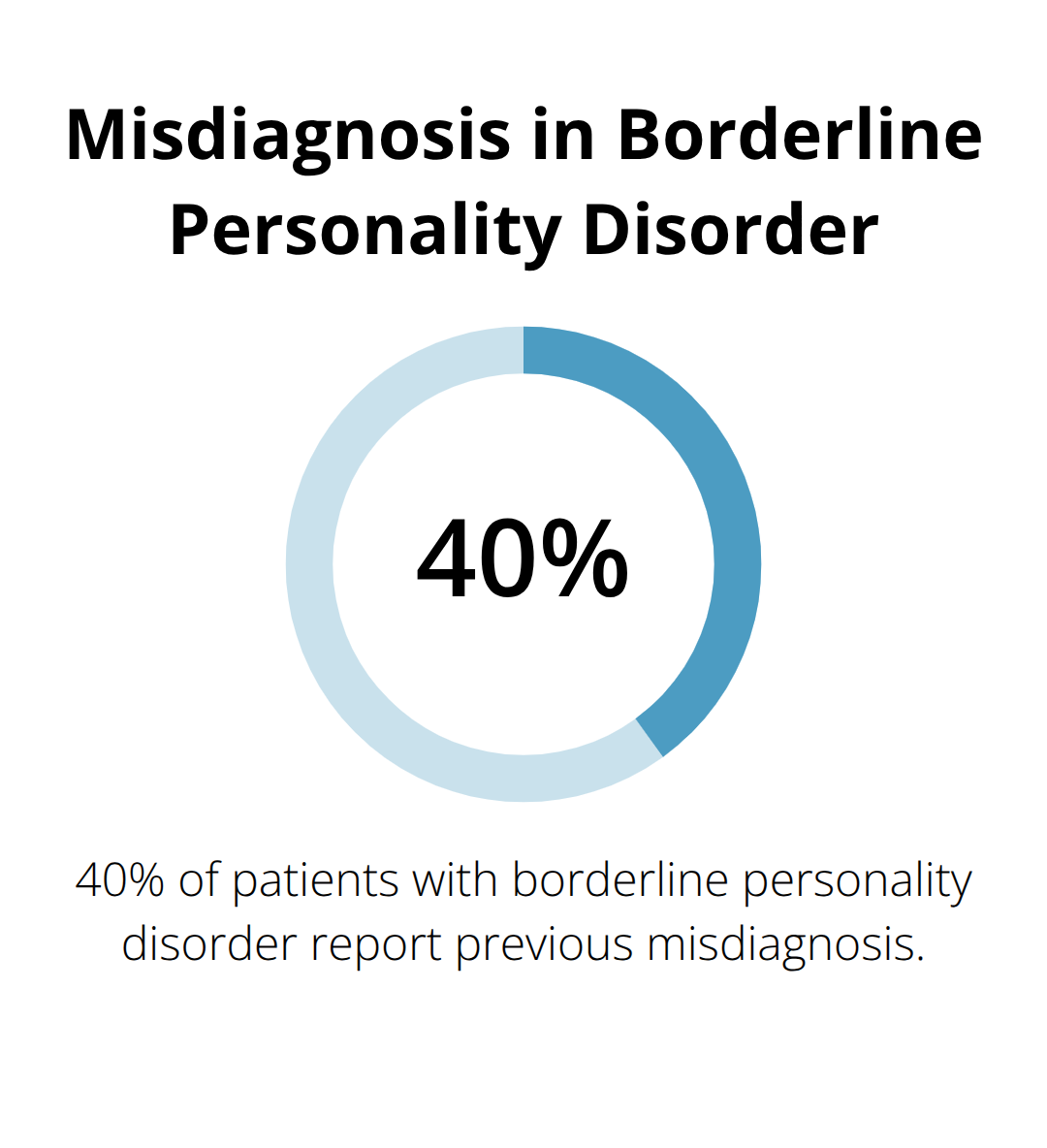
Almost 40% of patients with borderline personality disorder report previous misdiagnosis, highlighting the complexity of accurate mental health diagnosis. Antidepressants prescribed for misdiagnosed depression can trigger manic episodes in bipolar patients, which creates dangerous complications. The risk of antidepressant-induced manic episodes reaches 9-10% in younger patients.
Mental health professionals use comprehensive family history assessments and symptom tracking to differentiate between conditions. Only 20% of individuals with bipolar disorder receive accurate diagnosis within one year of they seek help, which highlights the importance of working with experienced clinicians who understand these diagnostic complexities.
Key Diagnostic Challenges
Rapid cycling occurs when a person experiences four or more manic or depressive episodes in a year (more common in females). Hypomania can be particularly tricky to identify because people often feel unusually productive and energetic during these episodes. These subtle symptoms can mask the disorder for years before proper identification occurs.
The presence of anxiety disorders complicates diagnosis further-approximately 34.7% of individuals with bipolar disorder also meet criteria for an anxiety disorder. This overlap makes it essential to work with specialists who can identify these complex patterns and provide accurate assessment. For comprehensive mental health care, consider consulting with Miami psychiatry professionals who specialize in mood disorders.
Signs That Depression May Actually Be Bipolar Disorder
Sleep Pattern Changes and Energy Fluctuations
Sleep disturbances often provide the first clues that depression might actually be bipolar disorder. People with emerging bipolar disorder experience periods where they need significantly less sleep yet feel energized and productive. During these phases, three to four hours of sleep feels sufficient, which contrasts sharply with the excessive sleep or insomnia typical of major depression.
Track your sleep patterns for at least three months. If you notice cycles of minimal sleep needs followed by periods of normal or excessive sleep requirements, this pattern suggests bipolar disorder rather than unipolar depression. These energy fluctuations create distinct patterns that experienced clinicians can identify during comprehensive evaluations.
Family History and Genetic Risk Factors
Family history remains the strongest predictor of bipolar disorder development. Over two-thirds of people with bipolar disorder have close relatives with mood disorders, which makes genetic assessment essential during initial psychiatric evaluations. Age of onset also matters significantly-bipolar symptoms typically emerge around age 25, while major depression usually begins around age 29 (according to National Institute of Mental Health data).
Young people with depression who also have ADHD show higher conversion rates to bipolar disorder. Some studies indicate conversion rates range from 8% to 48.6% depending on specific risk factors. Emotional dysregulation, behavioral problems, and any psychotic features during depressive episodes increase the likelihood of eventual bipolar diagnosis.
Behavioral Red Flags During Mood Episodes
Watch for impulsive spending sprees, risky sexual behavior, or sudden career changes during what seems like recovery from depression. These behaviors indicate hypomania rather than genuine improvement from depressive symptoms. Racing thoughts, grandiose ideas about abilities or projects, and increased goal-directed activity often accompany these behavioral changes.
Maintain a detailed mood diary that tracks sleep, spending habits, energy levels, and decision patterns. This documentation proves invaluable for accurate diagnosis and helps differentiate between depression recovery and hypomanic episodes that characterize bipolar disorder.
Age-Related Diagnostic Patterns
Prepubertal depression serves as a distinct risk factor for later bipolar disorder development. Research shows that 45% of bipolar cases have early onset, with an average age of 17 years. This early emergence makes initial diagnosis particularly challenging for mental health professionals seeking Miami psychiatry services in surrounding areas like Coral Gables and Pinecrest.
Healthcare providers must monitor young people prescribed antidepressants, especially those with known risk factors for mood episodes. The risk of antidepressant-induced manic episodes in younger patients requires careful evaluation before treatment begins, setting the stage for appropriate therapeutic interventions.
Treatment Implications and Importance of Accurate Diagnosis
Why Antidepressants Alone Fail for Bipolar Depression
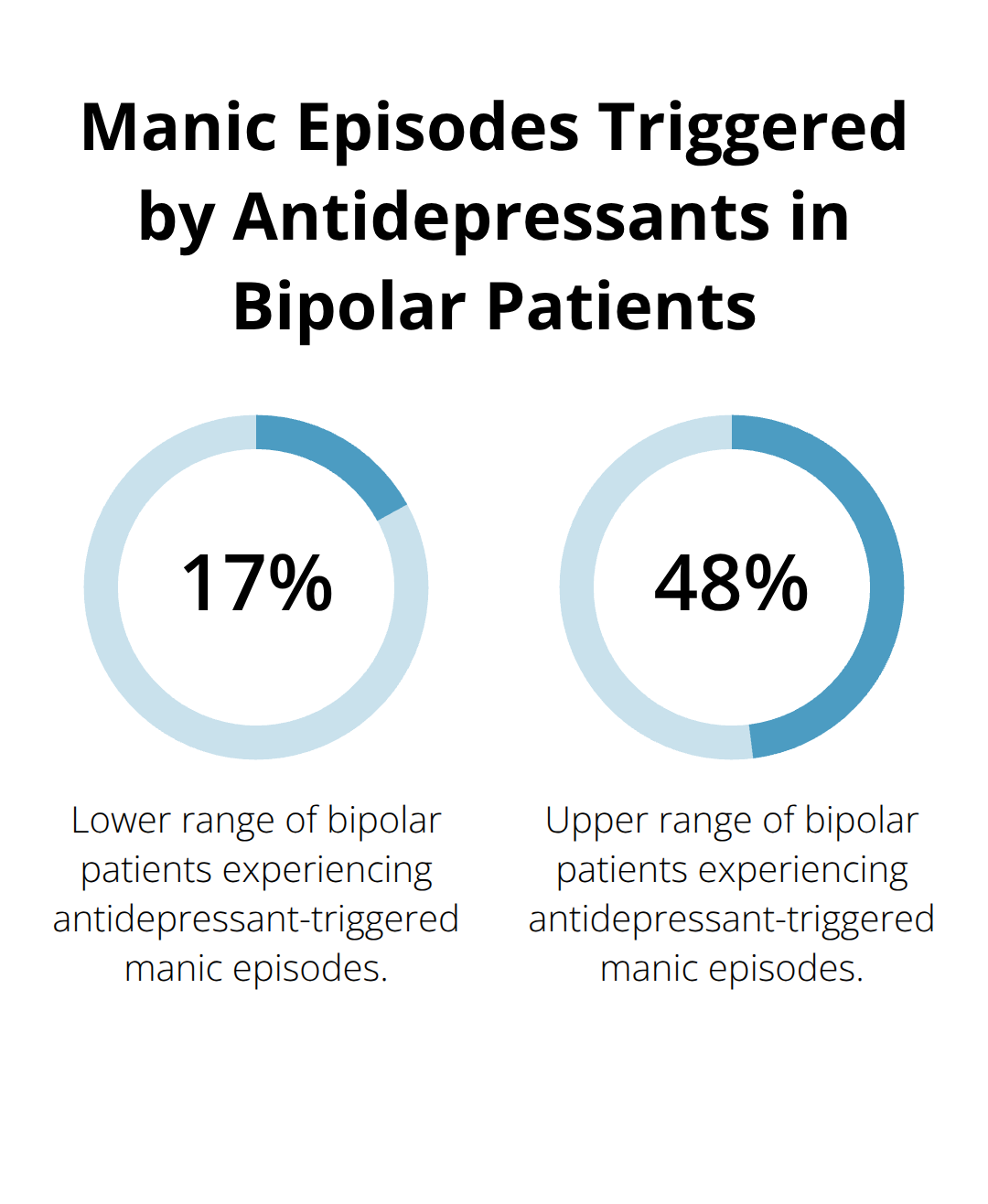
Antidepressants alone fail spectacularly for bipolar depression because they target only half the problem. When doctors prescribe them without mood stabilizers, antidepressants can trigger manic episodes in 17.3% to 48.8% of patients with bipolar disorder, with higher rates occurring with antidepressant monotherapy. This creates a dangerous cycle where treatment worsens symptoms instead of improving them.
Lithium, one of the most effective mood stabilizers, reduces manic symptoms within two weeks when doctors prescribe it properly. Patients who struggled for years on antidepressants alone often experience dramatic improvement once clinicians identify their bipolar disorder and adjust treatment accordingly.
The Treatment Revolution After Accurate Diagnosis
Proper bipolar diagnosis transforms treatment from ineffective to life-changing. Mood stabilizers like lithium and divalproex become the foundation, often combined with antipsychotics for comprehensive symptom management. The National Institute of Mental Health reports that 60% of individuals with bipolar disorder also have substance use disorders, which requires integrated treatment approaches that address both conditions simultaneously.
Electroconvulsive therapy shows remarkable effectiveness for severe bipolar depression when medications prove insufficient. This treatment option becomes available only after accurate diagnosis reveals the true nature of the mood disorder.
Comprehensive Care Beyond Medication
Cognitive behavioral therapy proves particularly effective for bipolar disorder when clinicians combine it with medication management. Regular mood tracking through smartphone apps helps patients identify triggers and patterns, which allows proactive episode prevention rather than reactive crisis management.
Sleep schedule regulation becomes critical since sleep disturbances often precipitate mood episodes. Patients seeking Miami psychiatry services benefit from specialized psychiatric care that addresses these multiple treatment components rather than relying solely on medication adjustments.
The Cost of Delayed Diagnosis
Misdiagnosis leads to increased healthcare utilization and higher costs for patients who receive incorrect treatments. Studies show that diagnostic delay can range from 0 to nearly 13 years after patients first seek treatment. During this period, inappropriate medications can worsen symptoms and create additional complications that proper diagnosis would prevent.
Mental health professionals who specialize in mood disorders can identify complex symptom patterns and provide accurate assessments that change lives. The difference between years of ineffective treatment and rapid symptom improvement often depends on working with experienced clinicians who understand diagnostic complexities.
Final Thoughts
The question “can depression turn into bipolar” reflects widespread confusion about these distinct conditions. Depression doesn’t transform into bipolar disorder, but initial depressive symptoms may represent the first phase of an undiagnosed bipolar condition. This distinction matters because treatment approaches differ dramatically between the two disorders.
Antidepressants alone often fail for bipolar depression and can trigger dangerous manic episodes. Proper diagnosis opens access to mood stabilizers, comprehensive therapy, and integrated care that addresses the full spectrum of symptoms. The 5 to 10-year diagnostic delay many patients experience (according to research studies) highlights why experienced mental health professionals become essential.
We at Equilibrium Mental Health Services understand these diagnostic complexities and provide thorough psychiatric evaluations that differentiate between depression and bipolar disorder. If you experience persistent mood symptoms or suspect your depression diagnosis might be incomplete, don’t wait years for answers. Contact Equilibrium Mental Health Services today to speak with our caring professionals and begin your journey toward accurate diagnosis and effective treatment.


