
Mental health conditions often overlap in complex ways that challenge traditional diagnostic boundaries. Can you be diagnosed with bipolar and depression? The answer involves understanding how these conditions interact and present together.
At Equilibrium Mental Health Services, we frequently see patients struggling with symptoms that don’t fit neatly into single diagnostic categories. This complexity requires careful evaluation and specialized treatment approaches.
What Makes These Conditions Different?
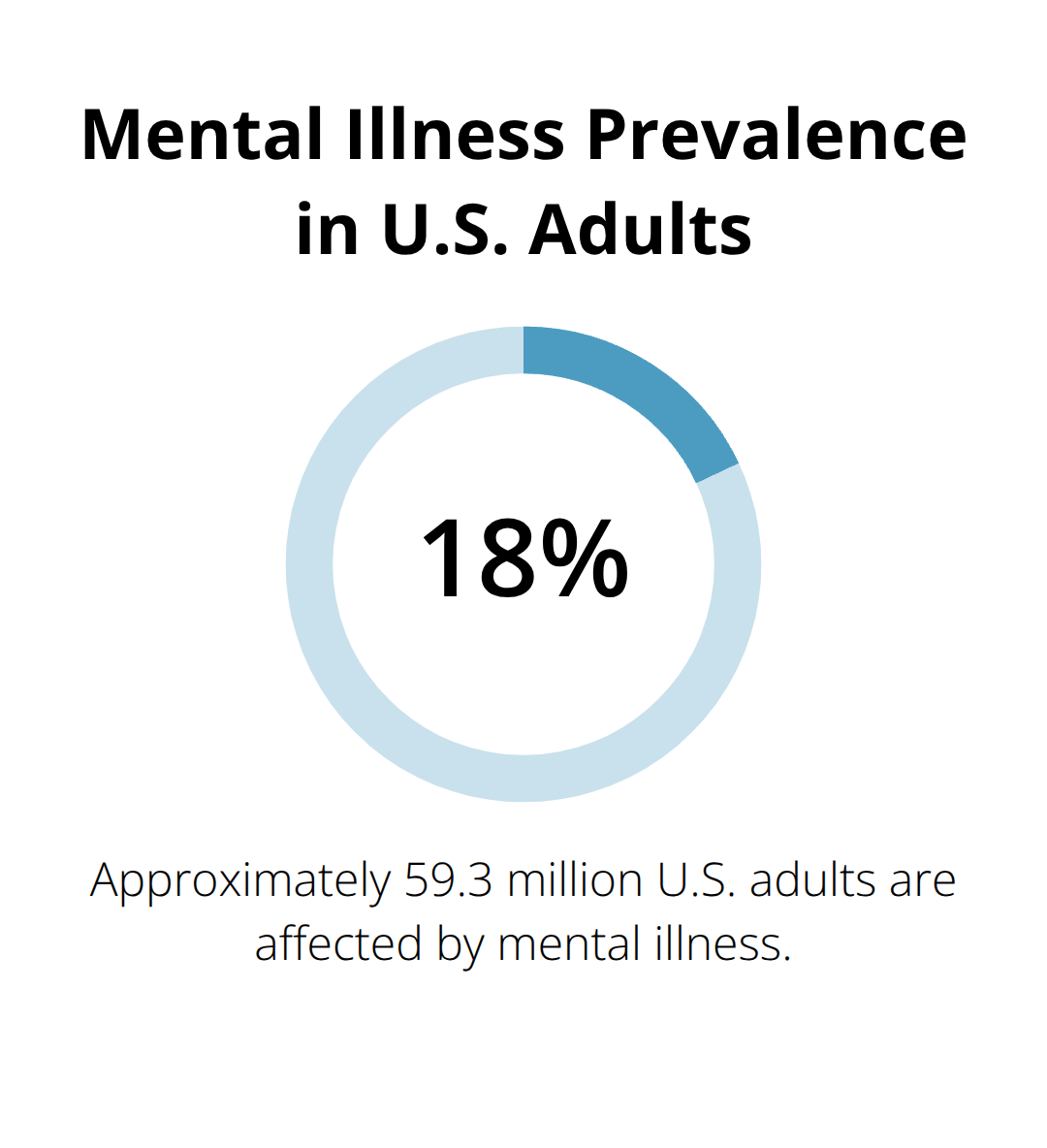
Mental illness affects approximately 59.3 million adults in the U.S. according to recent data. These numbers reveal two distinct conditions that mental health professionals must carefully differentiate. Bipolar disorder involves extreme mood swings between depression and mania, with the average onset around age 25. Major depression lacks manic episodes entirely and typically begins around age 29.
Bipolar Episodes and Their Characteristics
Manic episodes in bipolar disorder include increased energy, reduced need for sleep, and poor judgment that leads to risky behaviors. These episodes can last days or weeks, which contrasts sharply with the consistent low mood of major depression. Hypomanic episodes present similar symptoms but with less severity and shorter duration. The key difference lies in this cyclical pattern – bipolar patients experience distinct periods of elevated mood that major depression patients never encounter.
Major Depression Symptoms and Patterns
Major depressive disorder requires symptoms that last at least two weeks, which include deep sadness, hopelessness, and loss of interest in activities. Unlike bipolar depression, these symptoms remain consistently low without manic interruptions. Patients with major depression may experience fatigue, difficulty concentrating, and changes in appetite, but they never exhibit the elevated energy or grandiosity seen in bipolar mania.
Timeline and Pattern Recognition
The diagnostic timeline proves fundamental when professionals distinguish these conditions. Bipolar episodes follow unpredictable patterns – some patients experience frequent manic episodes while others have fewer instances separated by years. Major depression maintains steady symptoms for months or years without the dramatic mood elevation that characterizes bipolar disorder (making accurate diagnosis more straightforward in some cases).
Gender Differences in Symptom Expression
Research shows that women with bipolar disorder demonstrate a linear increase in depressive symptoms with higher manic symptom severity. Female patients also show greater burden of depressive symptoms during hypomanic and manic states compared to male patients. These gender-specific patterns help clinicians tailor their diagnostic approach and treatment strategies more effectively.
The complexity of these overlapping symptoms creates significant challenges when both conditions appear to coexist in the same patient. For comprehensive evaluation and treatment, consider consulting with Miami psychiatry professionals who specialize in mood disorders.
When Bipolar and Depression Occur Together
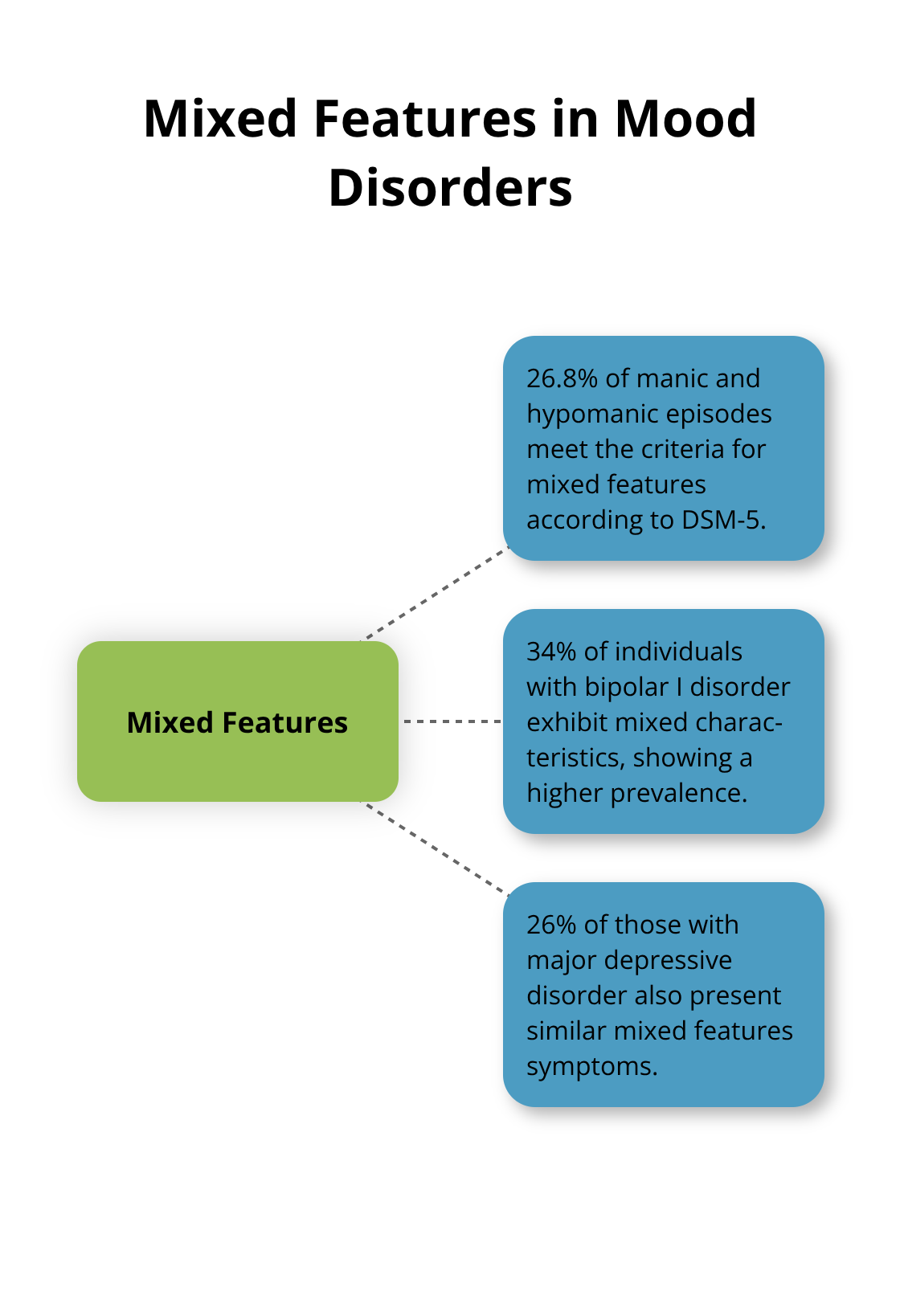
Mixed episodes represent one of the most challenging aspects of bipolar disorder diagnosis. Patients experience symptoms of both mania and depression at the same time. According to DSM-5 criteria, 26.8% of manic and hypomanic episodes meet the requirements for mixed features. The complexity intensifies when 34% of individuals with bipolar I disorder exhibit these mixed characteristics, while 26% of those with major depressive disorder also present similar symptoms (according to McIntyre and colleagues’ research).
Mixed Episode Symptoms Create Diagnostic Challenges
Mixed episodes manifest as irritability combined with racing thoughts, low mood paired with high energy, and severe agitation alongside deep sadness. Women experience this burden more intensely than men, with female patients showing significantly higher depressive scores during manic states. These episodes predict younger age at bipolar onset, longer episode durations, and increased treatment resistance according to Grunze’s findings. The presence of panic and agitation can escalate significantly, which influences how clinicians approach treatment decisions.
Rapid Cycling Patterns Complicate Assessment
Rapid cycling between depressive and manic states affects approximately 10-20% of bipolar patients. This creates diagnostic confusion when mood swings occur within days or weeks rather than months. Adolescents and those with previous episodes show higher frequency of mixed states, especially in females. The dimensional approach of the DSM-5 allows for broader understanding of bipolar disorder, which supports identification of mixed features in mood episodes.
Bipolar Depression Shows Distinct Characteristics
Bipolar depression differs fundamentally from unipolar depression in several measurable ways. Patients with bipolar depression often experience hypersomnia rather than insomnia, psychomotor retardation instead of agitation, and increased appetite rather than decreased eating. The presence of mixed features during depressive episodes strongly suggests bipolar disorder rather than major depression. Research shows that individuals initially diagnosed with major depression and mixed features have a conversion rate of 53.67 per 1000 person-years to bipolar disorder diagnosis.
These diagnostic complexities raise important questions about how patients and families can recognize when professional evaluation becomes necessary. For those seeking specialized care, Miami psychiatry services provide comprehensive assessment and treatment options.
Can You Have Both Conditions?
Recognizing Dual Symptoms
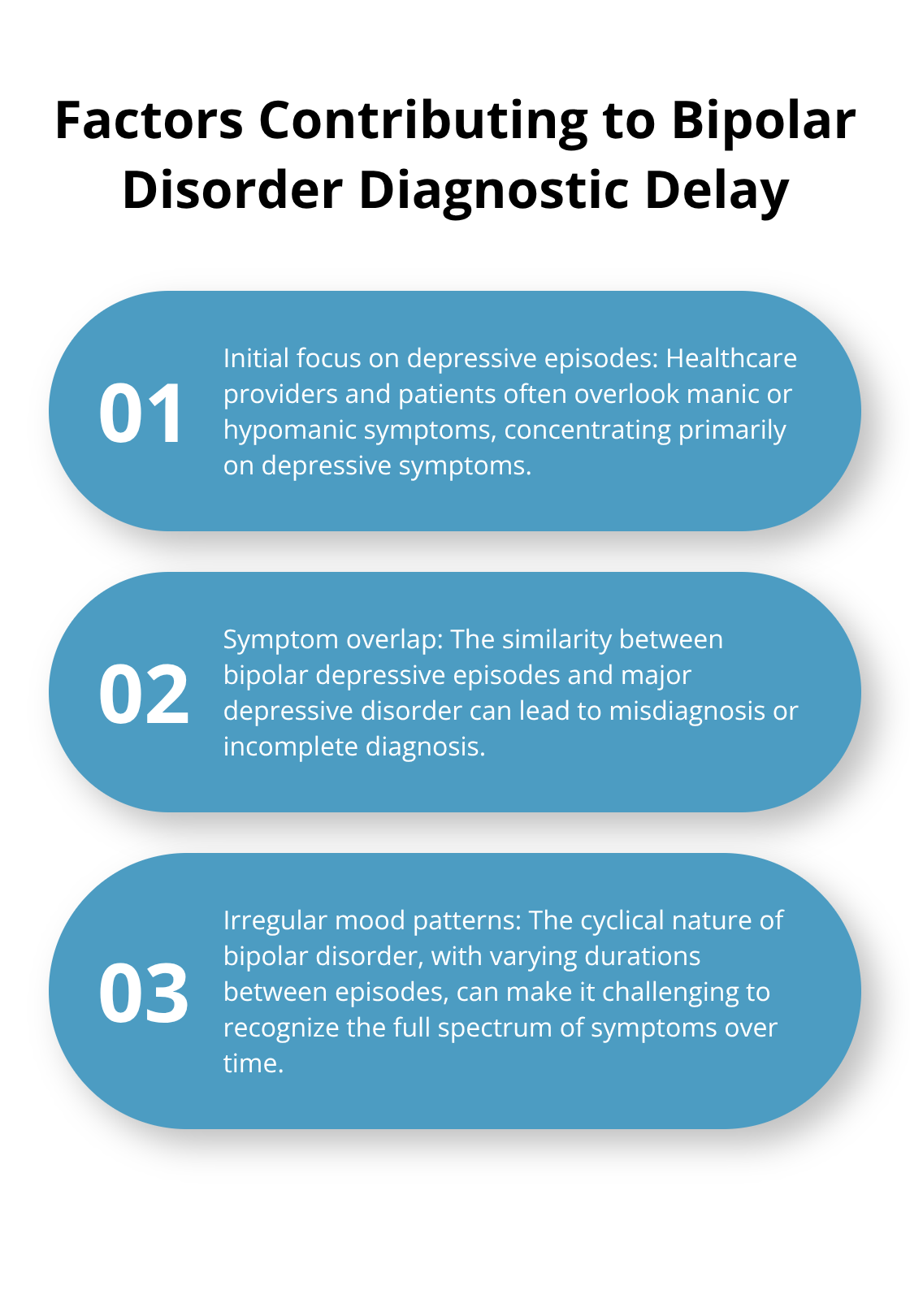
The diagnostic delay for bipolar disorder averages between five and 10 years, primarily because patients and healthcare providers initially focus on depressive episodes. You might have both conditions if you experience major depressive episodes that last at least two weeks alongside distinct periods of elevated mood, increased energy, or reduced sleep needs that last four days or more. Track your mood patterns with a mood chart or smartphone app – this documentation helps psychiatrists identify cycles that indicate bipolar disorder rather than unipolar depression.
Pay attention to irritability combined with racing thoughts, agitation during sad periods, or simultaneous feelings of energy and hopelessness. Women particularly should note if depressive symptoms worsen during high-energy periods, as research shows female patients experience greater symptom burden during mixed states (Born et al. 2021).
Treatment Approaches for Complex Cases
Medication management becomes more complex when treating overlapping conditions. Antidepressants alone can trigger manic episodes in bipolar patients, which makes mood stabilizers like lithium or valproate essential first-line treatments. Studies show lithium reduces both bipolar symptoms and substance use, while valproate decreases manic symptoms and substance cravings.
Naltrexone significantly reduces manic and depressive symptom severity while decreasing alcohol use in patients with both conditions. Cognitive behavioral therapy combined with psychoeducation shows effectiveness in reducing symptom severity and promotes longer periods of stability. The key lies in integrated treatment approaches that address both mood instability and depressive episodes simultaneously.
Genetic and Environmental Risk Factors
Genetic factors account for 47-57% of the variance that links bipolar disorder and depression, with first-degree relatives showing significantly higher risk for developing mood disorders. Environmental triggers include childhood trauma, major life stressors, and substance use, which can activate genetic predispositions in vulnerable individuals.
Hormonal imbalances that affect stress responses contribute to mixed episodes, particularly in women during reproductive transitions (Muneer A., 2017). The bidirectional relationship means each condition can influence the onset and severity of the other, which creates complex presentations that require specialized Miami psychiatry evaluation.
Final Thoughts
Complex mood disorders demand specialized treatment approaches that address both overlapping symptoms and unique characteristics of each condition. When patients ask “can you be diagnosed with bipolar and depression,” the answer highlights why professional evaluation becomes absolutely necessary for accurate diagnosis and effective treatment. Mental health professionals use validated assessment tools like the Young Mania Rating Scale and specialized clinical interviews to distinguish between conditions that share similar presentations but require different treatment strategies.
We at Equilibrium Mental Health Services provide expert, evidence-based psychiatric care that addresses these complex presentations. Our team specializes in treatment of bipolar disorder, depression, and co-occurring conditions through personalized treatment plans that combine medication management with psychotherapy. We understand that each patient’s experience is unique and requires individualized care approaches (tailored to their specific symptom patterns and treatment history).
If you experience symptoms that suggest both bipolar disorder and depression, professional evaluation can provide the clarity and treatment direction you need. Contact Equilibrium Mental Health Services to speak with our caring professionals and begin your journey toward improved mental well-being and stability.


