
At Equilibrium Mental Health Services, we often encounter questions about the potential use of Adderall for depression. While primarily prescribed for ADHD, Adderall’s effects on brain chemistry have sparked interest in its off-label applications.
This blog post explores the complex relationship between Adderall and depression, examining both the potential benefits and risks. We’ll delve into the latest research and provide insights to help you make informed decisions about your mental health treatment options.
What Is Adderall and How Does It Work?
Understanding Adderall’s Composition
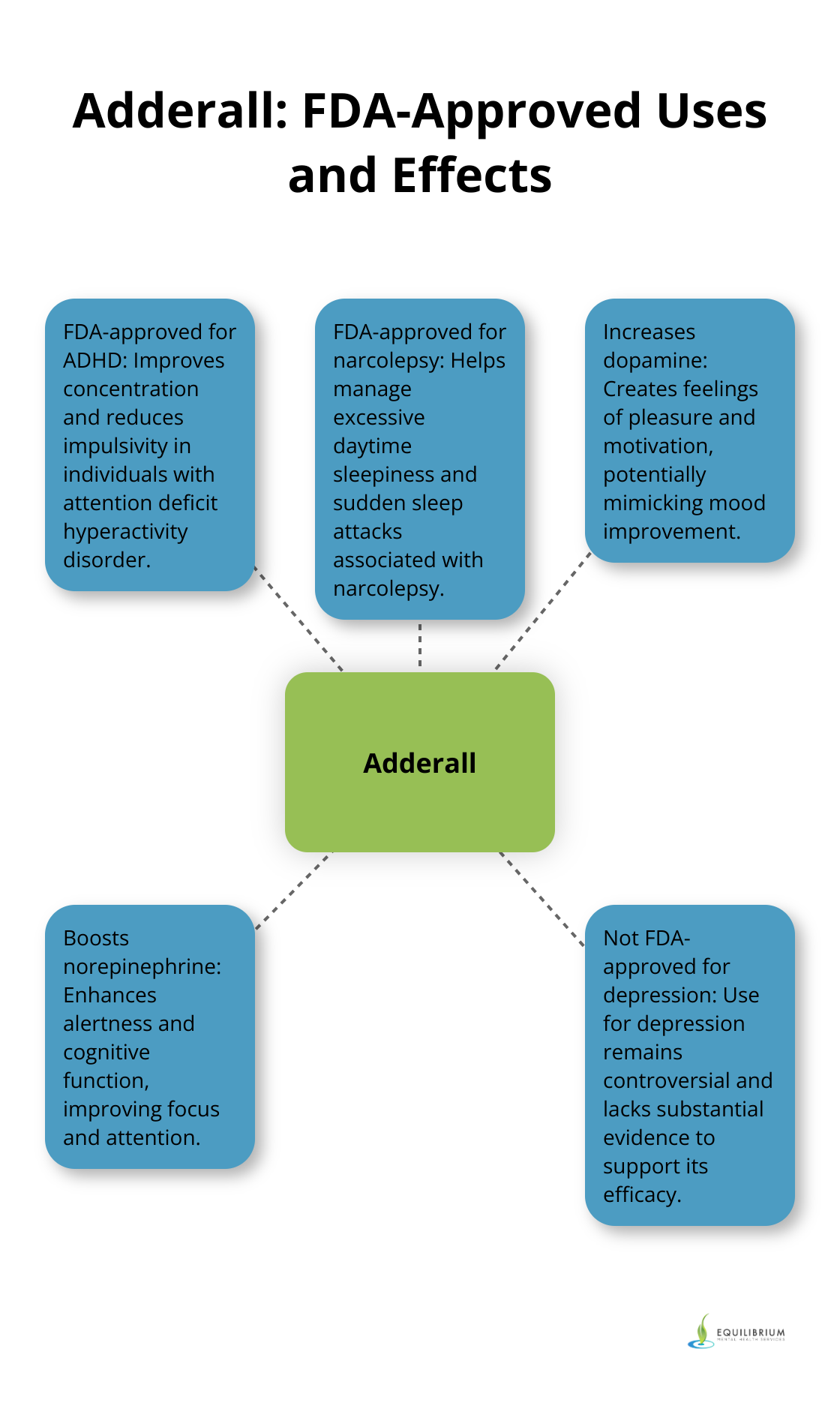
Adderall is used to treat attention deficit hyperactivity disorder (ADHD) and narcolepsy. Adderall contains a combination of amphetamine and dextroamphetamine. At Equilibrium Mental Health Services, we prescribe Adderall to treat attention deficit hyperactivity disorder (ADHD) and narcolepsy. The FDA has not approved Adderall for treating depression.
The Neurochemical Impact of Adderall
Adderall increases the levels of specific neurotransmitters in the brain, particularly dopamine and norepinephrine. These chemicals play important roles in attention, focus, and mood regulation. The boost in their levels improves concentration and reduces impulsivity in individuals with ADHD.
FDA-Approved Uses and Off-Label Considerations
The FDA has specifically approved Adderall for treating ADHD and narcolepsy. Off-label use of medications is common in psychiatry. However, the use of Adderall for depression remains controversial and lacks substantial evidence to support its efficacy.
Adderall’s Effects on Brain Chemistry
When Adderall enters the brain, it triggers a series of neurochemical changes. The increased dopamine creates feelings of pleasure and motivation, while the boost in norepinephrine enhances alertness and cognitive function. These effects can sometimes mimic an improvement in mood, which explains why some healthcare providers consider its off-label use for depression.
It’s important to note that these effects are temporary and can lead to dependency if not carefully managed. At Equilibrium Mental Health Services in Coral Gables, we prioritize FDA-approved treatments for depression before considering off-label options.
The Importance of Professional Guidance
If you struggle with depression or ADHD symptoms, consult with a qualified mental health professional. They will provide a comprehensive evaluation and develop a personalized treatment plan (which may or may not include medication like Adderall) depending on your specific needs and medical history.
As we explore the relationship between ADHD and depression in the next section, it’s important to understand how these conditions can overlap and influence each other.
ADHD and Depression: A Complex Interplay
The Prevalence of Comorbidity
At Equilibrium Mental Health Services, we often encounter patients who struggle with both ADHD and depression. This combination is more common than many people realize.
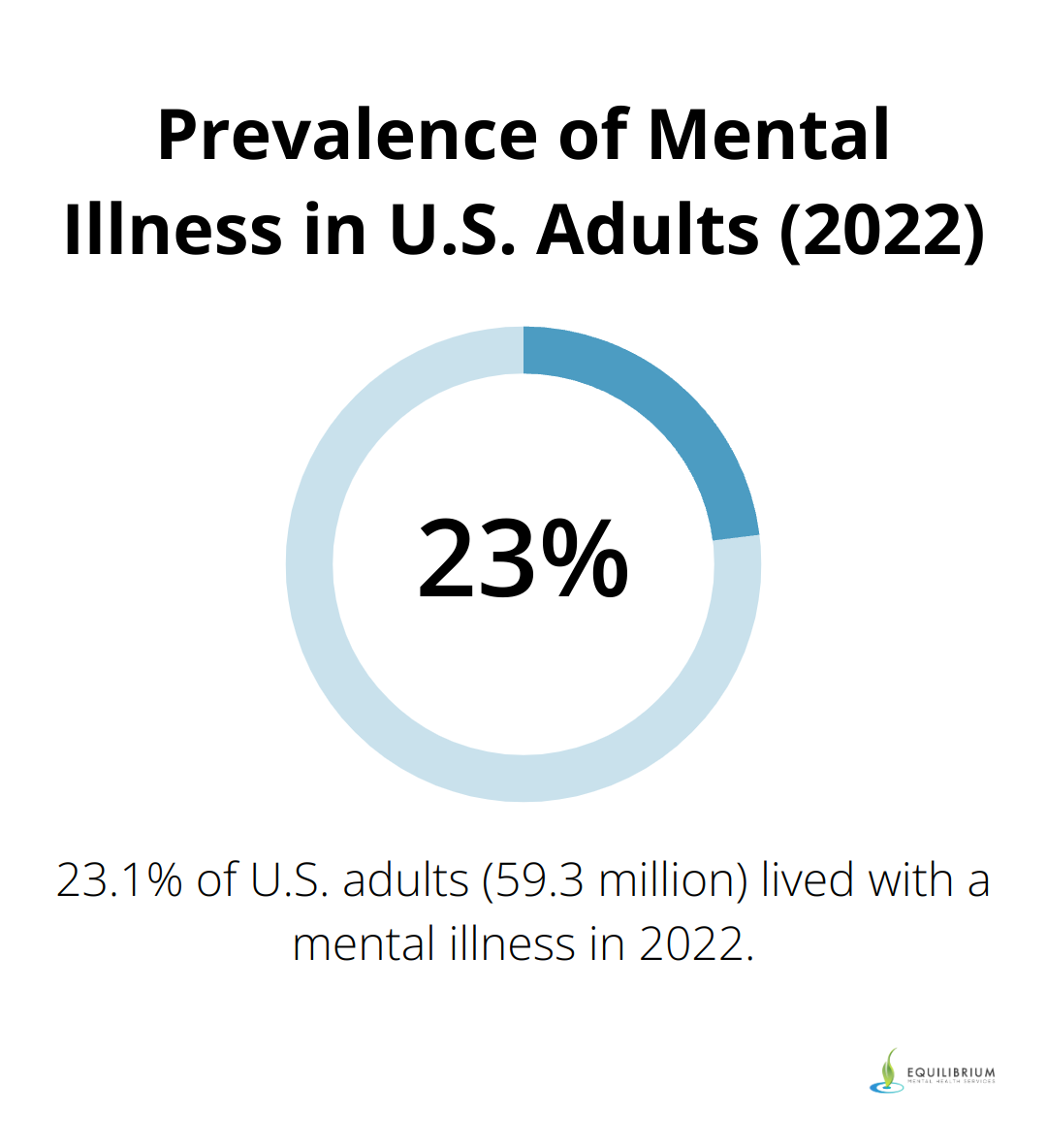
It is estimated that more than one in five U.S. adults live with a mental illness (59.3 million in 2022; 23.1% of the U.S. adult population).
Symptom Overlap and Diagnostic Challenges
ADHD and depression share several symptoms, which can complicate diagnosis. Both conditions can cause difficulty concentrating, fatigue, and irritability. For instance, a patient in Coral Gables might report an inability to focus at work. This could indicate ADHD, depression, or both.
Neurobiological Connections
Recent studies reveal that ADHD and depression may share neurobiological factors. Both conditions involve dysregulation of neurotransmitter systems in the brain, particularly dopamine and norepinephrine. This overlap might explain why some individuals experience both conditions simultaneously.
The Causality Conundrum
It’s often unclear which condition develops first. ADHD symptoms can lead to frustration and low self-esteem, potentially triggering depression. Conversely, depression can worsen ADHD symptoms, making it harder to focus and complete tasks.
Tailored Treatment Approaches
Treating co-occurring ADHD and depression requires a nuanced approach. We often start by addressing the condition causing the most significant impairment. For some patients in Miami psychiatry, this might mean initiating depression treatment before tackling ADHD symptoms.
Treatment plans may include a combination of medication and therapy. Cognitive Behavioral Therapy (CBT) has shown effectiveness for both conditions. We might also consider medications that target both disorders (such as certain antidepressants that can improve focus as well as mood).
The Importance of Comprehensive Evaluation
Given the complex interplay between ADHD and depression, a thorough evaluation is essential. Advanced diagnostic tools and in-depth interviews help distinguish between these conditions and develop targeted treatment plans.
As we explore Adderall’s potential impact on depression in the next section, it’s important to understand how this medication might affect individuals with co-occurring ADHD and depression.
Can Adderall Treat Depression?
At Equilibrium Mental Health Services, patients in Coral Gables and surrounding areas often ask about using Adderall for depression. While the FDA has not approved Adderall for treating depression, some healthcare providers prescribe it off-label. However, this practice remains controversial and lacks substantial evidence to support its effectiveness.
The Off-Label Use Debate
Off-label dopamine stimulating agents (DSA), including Adderall, have shown effectiveness in managing depressive disorders. Both monotherapy and augmentation strategies appear to be equally effective. However, the debate surrounding this practice continues in the psychiatric community.
Potential Mechanisms of Action
Adderall’s impact on depression may relate to its effects on neurotransmitters. The medication increases dopamine and norepinephrine levels in the brain, which can potentially alleviate symptoms like fatigue and lack of motivation (common in depression). However, these effects typically last for a short time and do not address the underlying causes of depression.
Risks and Side Effects
Using Adderall for depression carries significant risks. Side effects can include insomnia, decreased appetite, and increased heart rate and blood pressure. More severe risks involve the potential for addiction and cardiovascular events, especially in individuals with pre-existing heart conditions.
FDA-Approved Alternatives
Many healthcare providers prioritize FDA-approved treatments for depression. These include antidepressants like SSRIs, which have a more established safety and efficacy profile for treating depressive symptoms.
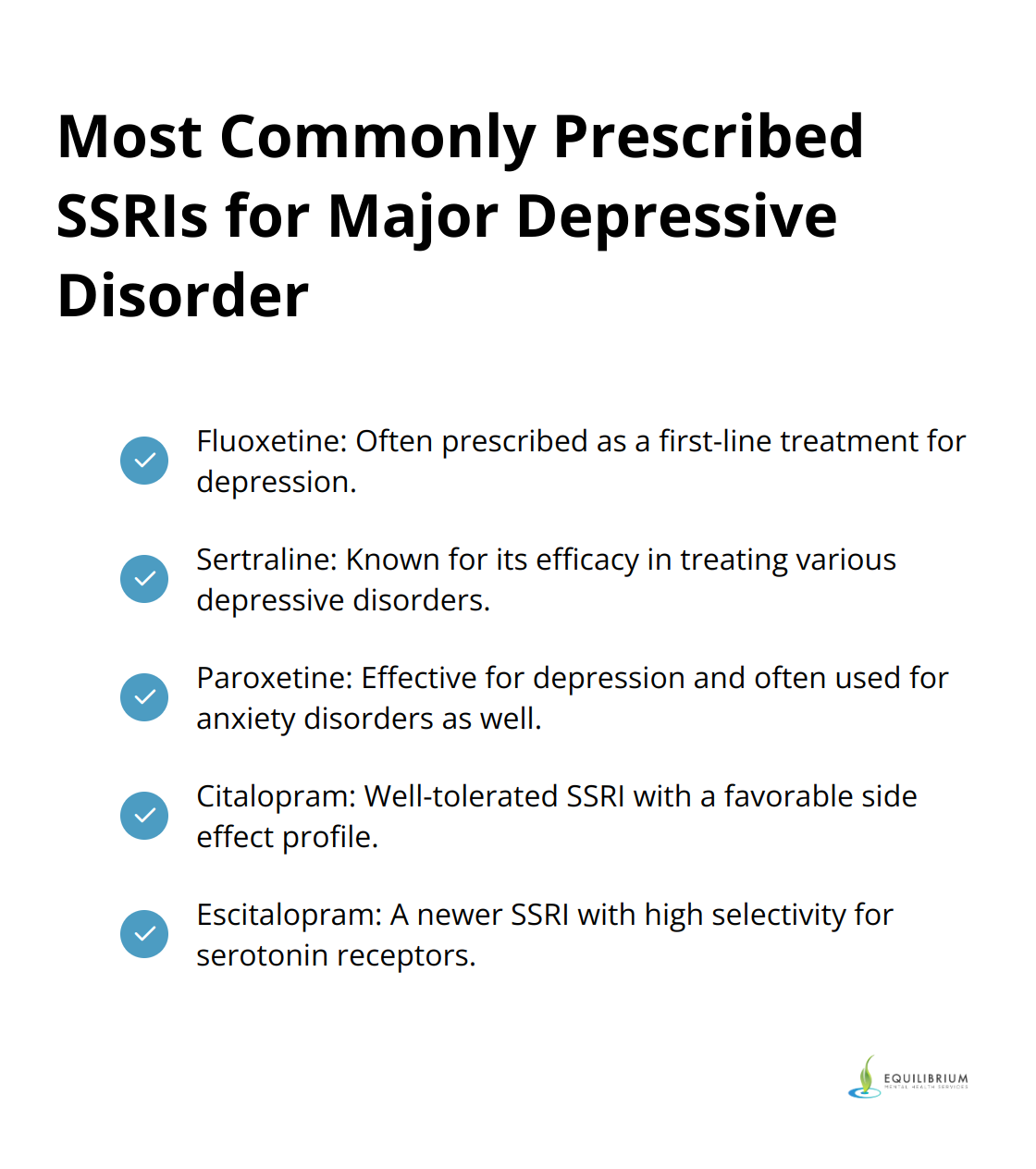
The SSRIs most commonly prescribed for major depressive disorder are fluoxetine, sertraline, paroxetine, citalopram, and escitalopram. Evidence-based psychotherapies, such as Cognitive Behavioral Therapy (CBT), can also prove highly effective in managing depression.
Seeking Professional Help
If you struggle with depression in Miami or the surrounding areas, consult with a qualified mental health professional. They will provide a comprehensive evaluation and develop a personalized treatment plan tailored to your specific needs and medical history.
Final Thoughts
The use of Adderall for depression remains a controversial topic in psychiatry. While some healthcare providers prescribe it off-label, the lack of substantial evidence and associated risks make it a questionable choice. At Equilibrium Mental Health Services, we focus on FDA-approved treatments and evidence-based therapies for managing depressive symptoms.
Professional medical advice plays a crucial role when considering depression treatment. A qualified mental health expert can provide a comprehensive evaluation, taking into account your unique medical history, symptoms, and potential comorbidities (such as ADHD). This personalized approach ensures you receive the most appropriate and effective care for your specific situation.
If you struggle with depression in Miami or surrounding areas, don’t hesitate to seek help. Equilibrium Mental Health Services offers expert, evidence-based psychiatric care tailored to your individual needs. Our team of dedicated professionals will guide you on your journey towards improved mental health and a more fulfilling life.


