
At Equilibrium Mental Health Services, we often encounter patients grappling with the complexities of bipolar disorder and ADHD. These two conditions can present similar symptoms, leading to confusion and misdiagnosis.
In this post, we’ll explore the key differences between bipolar vs ADHD, helping you understand their unique characteristics. Our goal is to provide clarity and empower you with knowledge to seek appropriate help and support.
What is Bipolar Disorder?
Bipolar disorder affects millions worldwide, including many in Coral Gables and surrounding areas. This complex mental health condition involves extreme mood swings between emotional highs (mania or hypomania) and lows (depression).
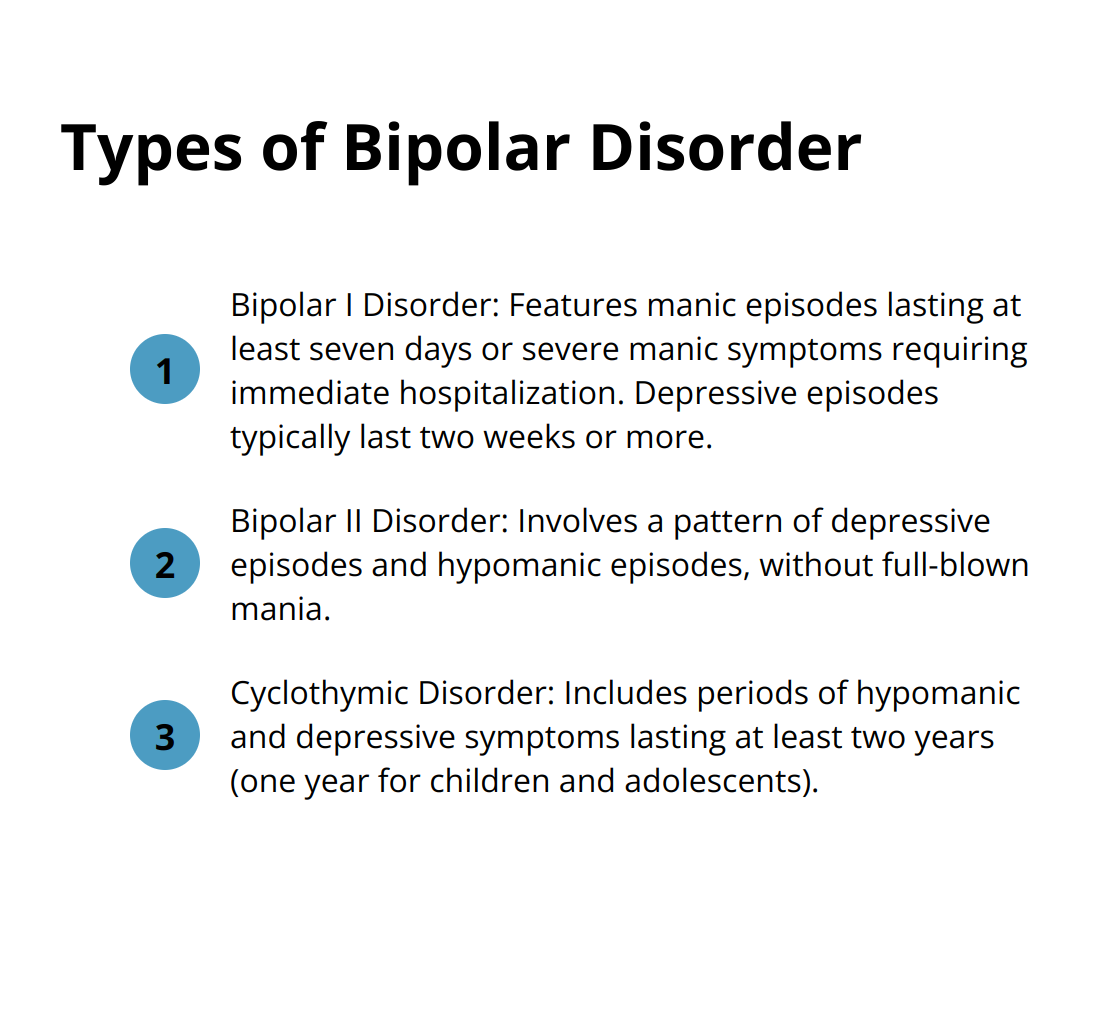
Types of Bipolar Disorder
Bipolar disorder manifests in several forms:
Recognizing Bipolar Symptoms
Bipolar disorder presents varying symptoms. During manic episodes, individuals may experience:
- Increased energy and activity
- Unusual feelings of elation
- Reduced need for sleep
- Racing thoughts and rapid speech
- Poor decision-making (e.g., excessive spending, risky sexual behavior)
Depressive episodes often include:
- Feelings of sadness, emptiness, or hopelessness
- Loss of interest in previously enjoyed activities
- Significant appetite or weight changes
- Concentration difficulties
- Thoughts of death or suicide
Risk Factors and Causes
While the exact cause of bipolar disorder remains unknown, several factors contribute to its development:
- Genetics: Bipolar disorder often runs in families. Research suggests that there is familial aggregation of mood disorders, including bipolar disorder and depression.
- Brain Structure and Function: Brain scans reveal subtle differences in structure and activity in individuals with bipolar disorder.
- Environmental Factors: Stress, trauma, or significant life changes can trigger episodes in predisposed individuals.
- Substance Abuse: While not a direct cause, substance abuse can exacerbate symptoms and complicate treatment.
Understanding bipolar disorder’s complexities helps in recognizing its impact on individuals in Miami and beyond. The next section will explore another condition often confused with bipolar disorder: Attention Deficit Hyperactivity Disorder (ADHD).
What is ADHD?
Attention Deficit Hyperactivity Disorder (ADHD) includes a mix of ongoing problems. These can include having a hard time paying attention, being hyperactive and being impulsive. Many patients from Coral Gables and surrounding areas struggle with ADHD symptoms.
Types of ADHD
ADHD presents in three primary types:
- Predominantly Inattentive Type: This type involves difficulty focusing, forgetfulness, and disorganization.
- Predominantly Hyperactive-Impulsive Type: This type features restlessness, impulsivity, and excessive talking.
- Combined Type: This type includes a mix of both inattentive and hyperactive-impulsive symptoms.
Common ADHD Symptoms
ADHD symptoms vary widely but often include:
- Difficulty sustaining attention on tasks
- Frequent careless mistakes in work or schoolwork
- Trouble following instructions and completing tasks
- Easy distraction by external stimuli
- Forgetfulness in daily activities
- Fidgeting or squirming when seated
- Difficulty waiting one’s turn
- Interrupting others in conversation
These symptoms can significantly impact daily life, relationships, and work performance. In Pinecrest and Miami, adults with undiagnosed ADHD often struggle with time management, organization, and consistent job performance.
Causes and Risk Factors
While the exact cause of ADHD remains unclear, research points to several contributing factors:
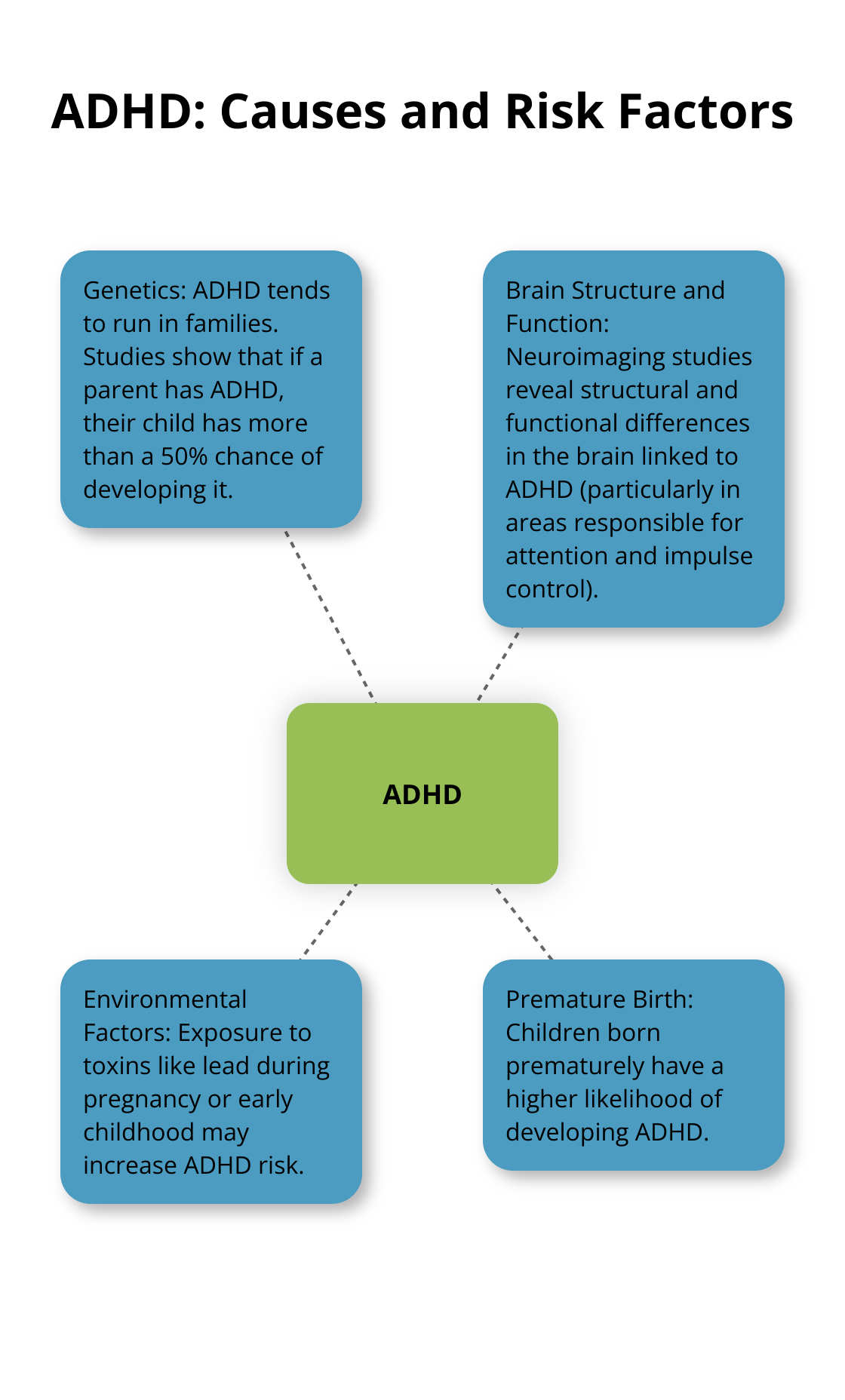
It’s important to note that contrary to popular belief, sugar consumption and excessive screen time do not cause ADHD. However, these factors can worsen symptoms in individuals who already have the condition.
Diagnosis and Treatment
Accurate diagnosis of ADHD typically involves a comprehensive assessment. This assessment usually includes a detailed clinical interview, rating scales, and sometimes neuropsychological testing. Early diagnosis and treatment can significantly improve outcomes and quality of life for individuals with ADHD.
Treatment options for ADHD often include a combination of medication and behavioral therapy. Some individuals find success with non-medication approaches (such as cognitive-behavioral therapy or mindfulness practices). The most effective treatment plan varies from person to person and should be tailored to individual needs and circumstances.
Understanding the complexities of ADHD is the first step towards effective management. The next section will explore the key differences between ADHD and bipolar disorder, two conditions that are often confused due to some overlapping symptoms.
How Do Bipolar Disorder and ADHD Differ?
At Equilibrium Mental Health Services, we often see patients who struggle to differentiate between bipolar disorder and ADHD. While these conditions can share some symptoms, they are distinct disorders with important differences.
Mood Patterns and Duration
Bipolar disorder patients with ADHD display a more severe and chronic course of mood symptoms compared to those without ADHD. ADHD mood changes, in contrast, are usually more rapid and react to immediate circumstances.
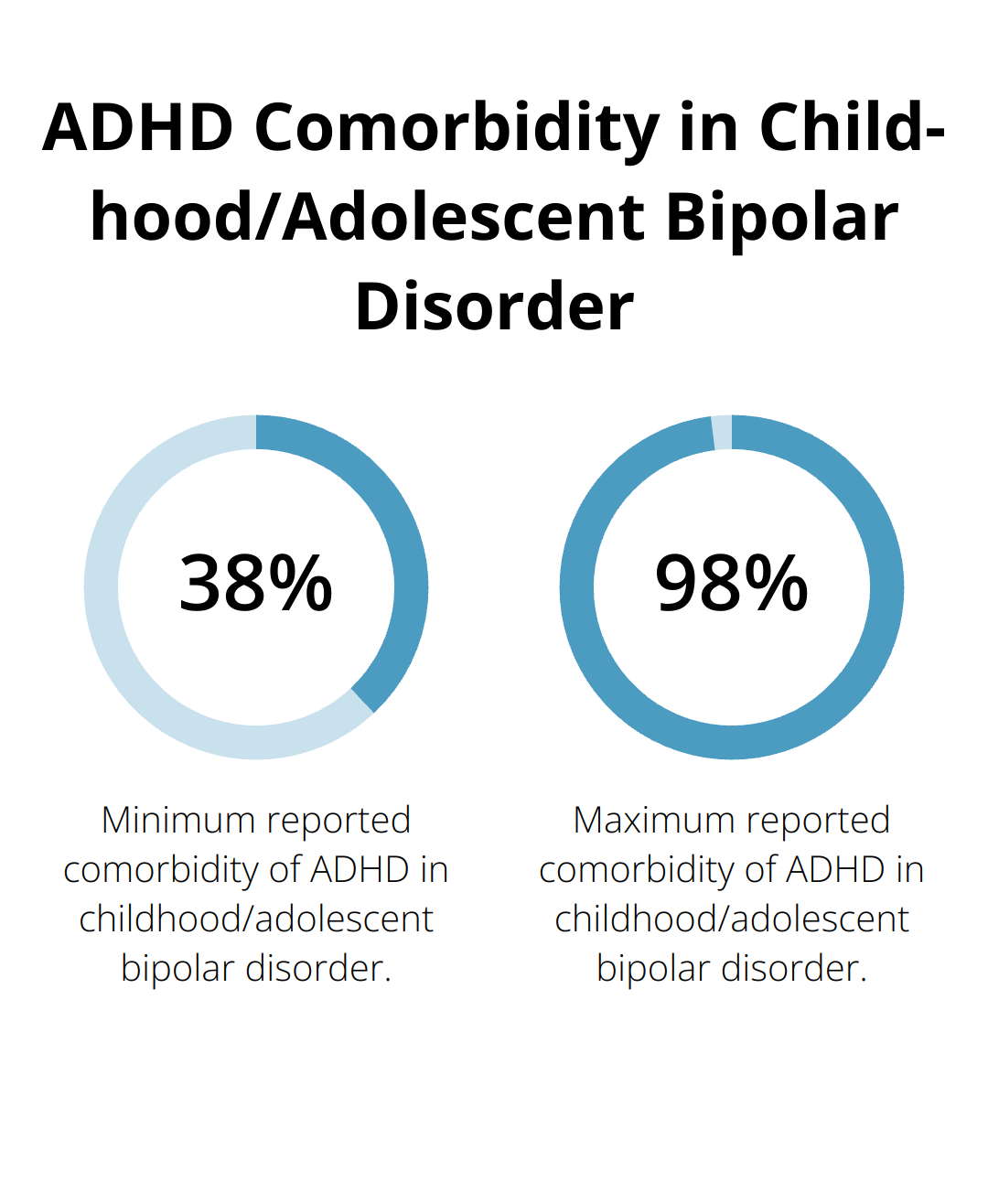
A study found that ADHD comorbidity in patients diagnosed with bipolar mood disorder in childhood and adolescence ranges from 38% to 98%. This overlap can complicate diagnosis, especially in cities like Coral Gables where high stress levels can worsen symptoms of both conditions.
Attention and Energy Levels
ADHD primarily affects attention and focus. Individuals with ADHD often struggle to concentrate on tasks (even those they find interesting). This difficulty persists and doesn’t typically fluctuate with mood.
Bipolar disorder, however, can cause periods of intense focus and productivity during manic or hypomanic episodes, followed by severe lack of concentration during depressive phases. Dr. James Phelps, a renowned psychiatrist, notes that this cyclical pattern differentiates the two conditions.
Age of Onset and Diagnosis
ADHD symptoms typically emerge in childhood, often before age 12. Bipolar disorder, while it can occur in children, more commonly develops in late adolescence or early adulthood.
A long-term study by the National Institute of Mental Health found that the average age of onset for bipolar disorder is 25 years old. However, many individuals in Pinecrest and surrounding areas report experiencing symptoms years before receiving an accurate diagnosis.
Treatment Approaches
Treatment strategies for these conditions differ significantly. Doctors often manage ADHD with stimulant medications and behavioral therapy. Bipolar disorder typically requires mood stabilizers, antipsychotics, or anticonvulsants, along with psychotherapy.
Accurate diagnosis leads to more effective treatment. For instance, prescribing stimulants to someone with undiagnosed bipolar disorder could potentially trigger a manic episode. This underscores the importance of comprehensive psychiatric assessment.
Final Thoughts
Bipolar disorder and ADHD differ in their core symptoms and treatment approaches. Bipolar disorder involves extreme mood swings, while ADHD primarily affects attention and impulse control. Accurate diagnosis proves essential for effective treatment, as misdiagnosis can lead to ineffective interventions and potentially worsen symptoms.
We at Equilibrium Mental Health Services offer expert care for both bipolar vs ADHD conditions. Our team provides personalized treatment plans and the necessary support to navigate these complex disorders. We aim to improve the mental well-being of our patients in Coconut Grove and surrounding areas.
If you experience symptoms that may indicate bipolar disorder or ADHD, seek professional help. Taking the first step towards proper diagnosis and treatment can significantly improve your quality of life. Contact a mental health professional today to begin your journey towards better mental health and overall well-being.


