
Bipolar depression versus bipolar disorder often confuses many people seeking mental health support. At Equilibrium Mental Health Services, we frequently encounter patients struggling to understand the distinction between these two terms.
This blog post will clarify the key differences, explore symptoms, and discuss treatment options for both conditions. We’ll also highlight the vital role of <a href=”https://g.co/kgs/Toi7gBP”>Miami psychiatry</a> in managing these complex mental health challenges.
What Is Bipolar Disorder?
The Complex Nature of Bipolar Disorder
Bipolar disorder affects millions of people worldwide. This complex mental health condition impacts mood, energy, and daily functioning. At Equilibrium Mental Health Services, we often encounter patients who struggle to understand this condition and its effects on their lives.
The Ups and Downs of Bipolar Disorder
Bipolar disorder involves extreme mood swings that include emotional highs (mania or hypomania) and lows (depression). These mood episodes can persist for days, weeks, or even months. During manic phases, individuals may experience euphoria, boundless energy, and engage in risky behaviors. Conversely, depressive episodes can lead to profound sadness, hopelessness, and disinterest in daily activities.
Types of Bipolar Disorder
Several types of bipolar disorder exist, each with its own symptom pattern:
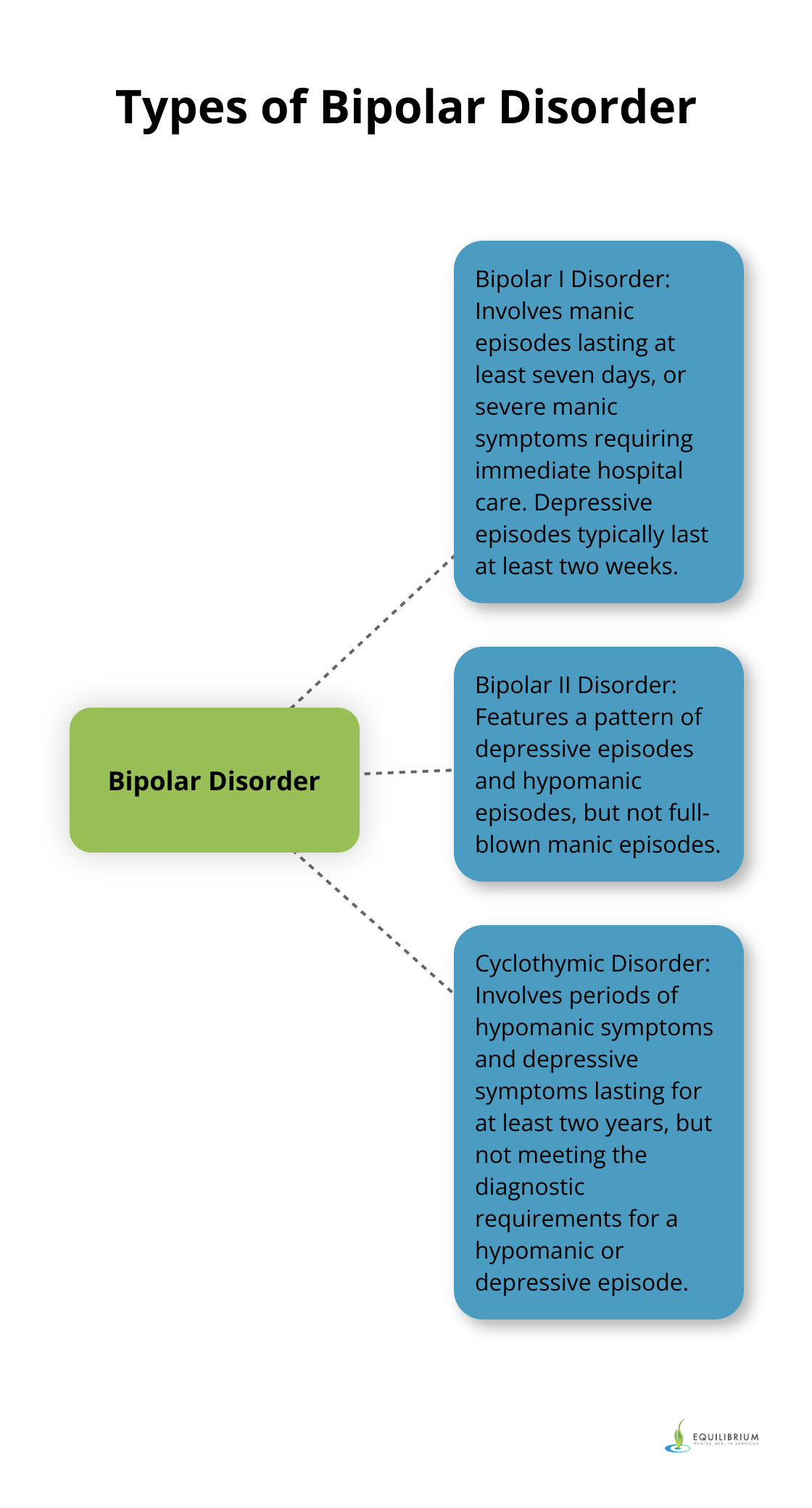
- Bipolar I Disorder: This type involves manic episodes that last at least seven days (or require immediate hospital care). Depressive episodes typically last at least two weeks.
- Bipolar II Disorder: This type features a pattern of depressive episodes and hypomanic episodes, but not full-blown manic episodes.
- Cyclothymic Disorder: This involves periods of hypomanic symptoms and depressive symptoms lasting for at least two years. However, the symptoms don’t meet the diagnostic requirements for a hypomanic episode or a depressive episode.
Recognizing the Signs
Recognizing the signs of bipolar disorder can be challenging, as symptoms vary widely between individuals. This mental health condition causes extreme mood swings that include emotional highs, called mania, and lows, known as depression. Some common signs include:
- Manic episodes: Increased energy, decreased need for sleep, racing thoughts, and impulsive behavior.
- Depressive episodes: Feelings of sadness, emptiness, hopelessness, and loss of interest in activities.
- Mixed episodes: Symptoms of both mania and depression occur simultaneously.
These symptoms can significantly impact daily life, relationships, and work performance. If you or someone you know in Coral Gables or the surrounding Miami area experiences these symptoms, professional help becomes essential.
The Role of Professional Diagnosis
A comprehensive evaluation by a mental health professional diagnoses bipolar disorder accurately. At Equilibrium Mental Health Services, we use a combination of clinical interviews, psychological assessments, and medical history reviews to ensure precise diagnosis and appropriate treatment planning.
Early intervention plays a key role in managing bipolar disorder effectively. With proper treatment (including medication management and psychotherapy), many individuals with bipolar disorder lead fulfilling lives. Miami psychiatry services provide the necessary support and care for those affected by this condition.
As we explore bipolar disorder further, it’s important to understand how it differs from bipolar depression. Let’s examine this distinction in the next section.
What Is Bipolar Depression?
The Dark Side of Bipolar Disorder
Bipolar depression represents the “low” periods experienced by individuals with bipolar disorder. At Equilibrium Mental Health Services, we encounter many patients in Coral Gables and surrounding areas who struggle with this aspect of their condition. Unlike manic or hypomanic episodes, these depressive phases can last for extended periods and severely impact daily life. Patients often describe feeling trapped in a fog of sadness, lethargy, and hopelessness.
Distinguishing Bipolar Depression from Unipolar Depression
While bipolar depression shares similarities with major depressive disorder (also known as unipolar depression), key differences exist. Bipolar depression occurs cyclically, alternating with periods of mania or hypomania. This cycling pattern can complicate diagnosis, as patients may only seek help during depressive episodes.
Statistics about the prevalence and treatment of bipolar disorder in the United States are available from the National Institute of Mental Health. However, many receive an initial misdiagnosis of major depression, which can lead to inappropriate treatment.
Recognizing Symptoms of Bipolar Depression
Identifying bipolar depression is essential for effective treatment. Common symptoms include:
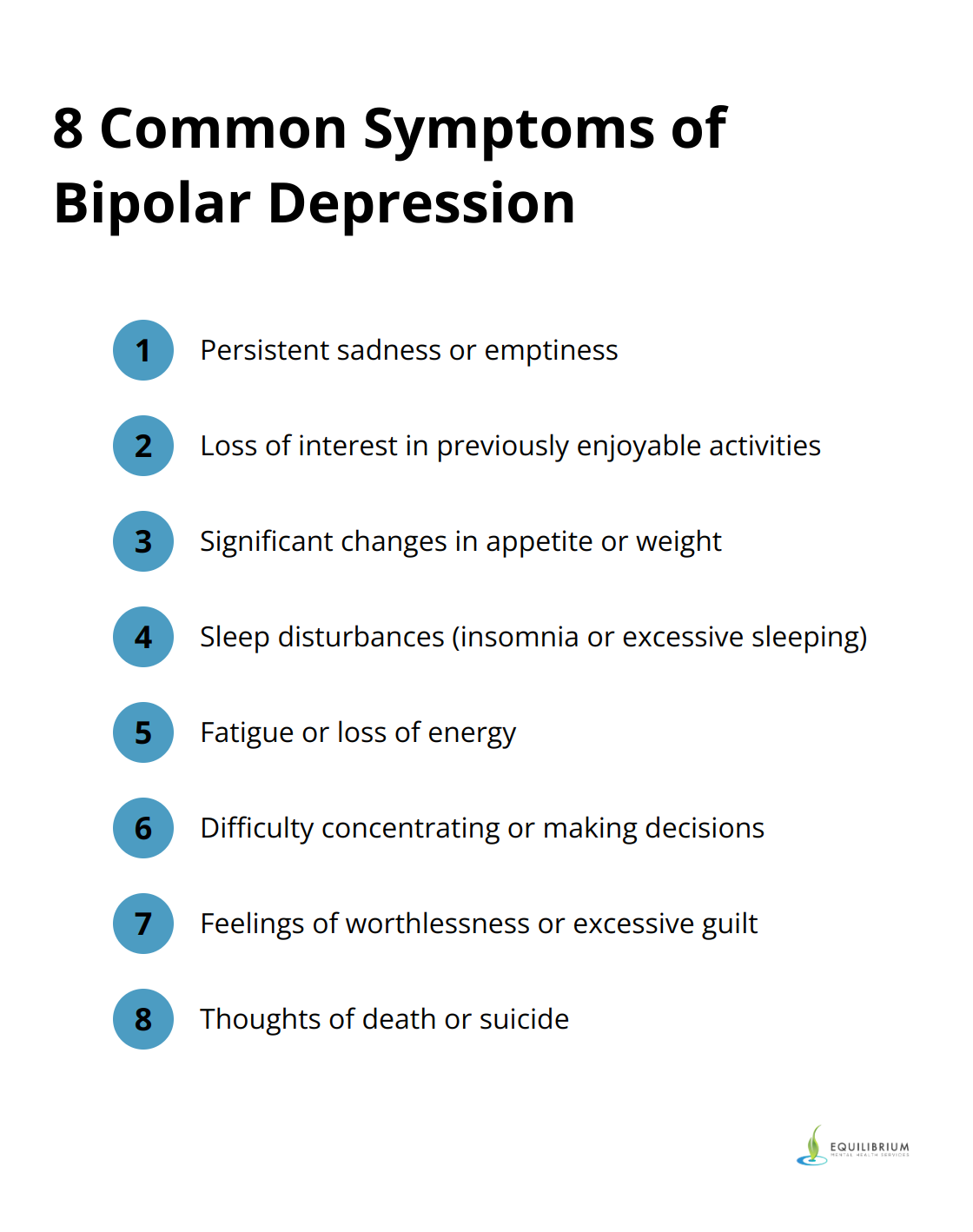
- Persistent sadness or emptiness
- Loss of interest in previously enjoyable activities
- Significant changes in appetite or weight
- Sleep disturbances (insomnia or excessive sleeping)
- Fatigue or loss of energy
- Difficulty concentrating or making decisions
- Feelings of worthlessness or excessive guilt
- Thoughts of death or suicide
These symptoms often appear more severe or longer-lasting in bipolar depression compared to unipolar depression. Additionally, people with bipolar depression frequently experience mixed episodes, where depressive symptoms coexist with manic features (such as agitation or racing thoughts).
Impact on Daily Life
Bipolar depression can significantly disrupt daily functioning. The symptoms can interfere with everyday activities, relationships, and work or school responsibilities. Some people may also experience stigma related to their condition. The cyclical nature of bipolar disorder can also create a sense of unpredictability and instability in one’s life.
A comprehensive assessment and personalized treatment plan (which may include medication management and psychotherapy) can help individuals manage the complexities of bipolar depression. Early intervention and proper treatment can significantly improve quality of life for those affected by this condition.
As we explore the intricacies of bipolar depression, it becomes clear that accurate diagnosis and tailored treatment are paramount. In the next section, we’ll examine the challenges in diagnosing bipolar depression and the importance of seeking professional help.
Navigating the Complexities of Bipolar Diagnosis and Treatment
Challenges in Diagnosing Bipolar Depression
Diagnosing bipolar depression presents unique challenges for mental health professionals. One key difference is that bipolar disorder can present with both manic and depressive symptoms, whereas major depressive disorder (MDD) only has depressive symptoms. Patients in Coral Gables often receive a misdiagnosis of major depressive disorder. This misdiagnosis occurs because individuals typically seek help during depressive episodes, potentially overlooking past manic or hypomanic experiences.
The Importance of Comprehensive Evaluation
Accurate diagnosis requires a thorough evaluation of a patient’s medical history, family history, and symptom patterns. Mental health professionals use structured clinical interviews and mood charting to track symptoms over time. This comprehensive approach helps differentiate bipolar depression from other mood disorders.
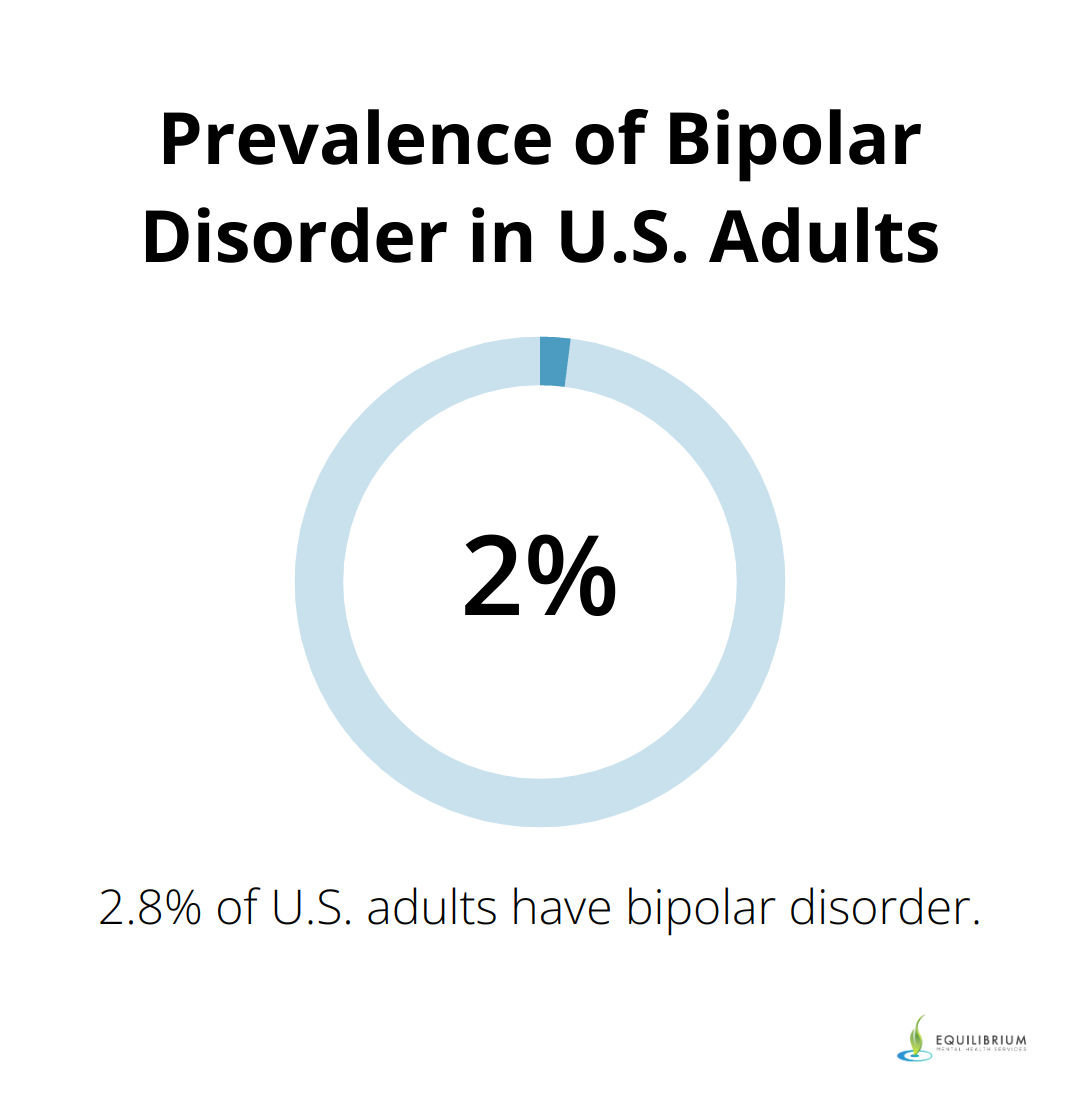
The National Institute of Mental Health reports that approximately 2.8% of U.S. adults have bipolar disorder. However, many individuals wait an average of 6 years between onset of symptoms and accurate diagnosis (a delay that can lead to inappropriate treatment and potentially worsen outcomes).
Tailored Treatment Approaches
Once diagnosed, treatment for bipolar depression often involves a combination of medication and psychotherapy. Mood stabilizers like lithium or valproic acid form the cornerstone of pharmacological treatment. In some cases, doctors prescribe antidepressants, but always in conjunction with mood stabilizers to prevent triggering manic episodes.
Psychotherapy plays a vital role in managing bipolar depression. Cognitive-behavioral therapy (CBT) helps patients identify and change negative thought patterns. Interpersonal and social rhythm therapy focuses on stabilizing daily routines and improving relationships, which can reduce mood fluctuations.
The Role of Miami psychiatry in Bipolar Management
Miami psychiatry services offer specialized care for individuals with bipolar disorder. These services provide personalized treatment plans that address the unique needs of each patient. This approach includes regular monitoring and adjustment of medication, ongoing therapy sessions, and education about managing bipolar symptoms.
Mental health professionals also emphasize the importance of lifestyle modifications. Establishing consistent sleep patterns, maintaining a balanced diet, and engaging in regular exercise can significantly impact mood stability. Psychiatrists work closely with patients to integrate these habits into their daily lives.
Importance of Early Intervention
For residents of Pinecrest and surrounding areas, access to specialized bipolar care is essential. Early intervention and consistent treatment can dramatically improve long-term outcomes. If you or a loved one experience symptoms of bipolar depression, seeking professional help is the first step towards effective management and improved quality of life.
Final Thoughts
Bipolar depression versus bipolar disorder represents a complex interplay of symptoms that impact an individual’s life. Bipolar disorder encompasses the full spectrum of mood episodes, including both manic and depressive phases, while bipolar depression specifically refers to the low periods experienced within this condition. The distinction between these two concepts plays a vital role in accurate diagnosis and effective treatment planning.
Early recognition of bipolar depression signs and prompt professional help can significantly improve management of the disorder. Individuals in Coral Gables or the surrounding Miami area who experience symptoms of bipolar depression or bipolar disorder should contact mental health professionals specializing in these conditions. Timely intervention often leads to better outcomes and enhanced quality of life for those affected.
Equilibrium Mental Health Services offers comprehensive support for individuals dealing with bipolar disorders (including personalized treatment plans, medication management, and psychotherapy). Our experienced team understands the unique challenges faced by those with bipolar depression and commits to helping patients find balance and stability. We encourage you to take the first step towards better mental health – contact Equilibrium Mental Health Services today.


