
Bipolar depression is a complex condition that requires careful treatment. At Equilibrium Mental Health Services, we often encounter patients struggling with this challenging aspect of bipolar disorder.
The use of antidepressants for bipolar depression is a topic of ongoing debate in the mental health community. This post explores the pros and cons of using antidepressants in treating bipolar depression, helping you make informed decisions about your mental health care.
What is Bipolar Depression?
Defining Bipolar Depression
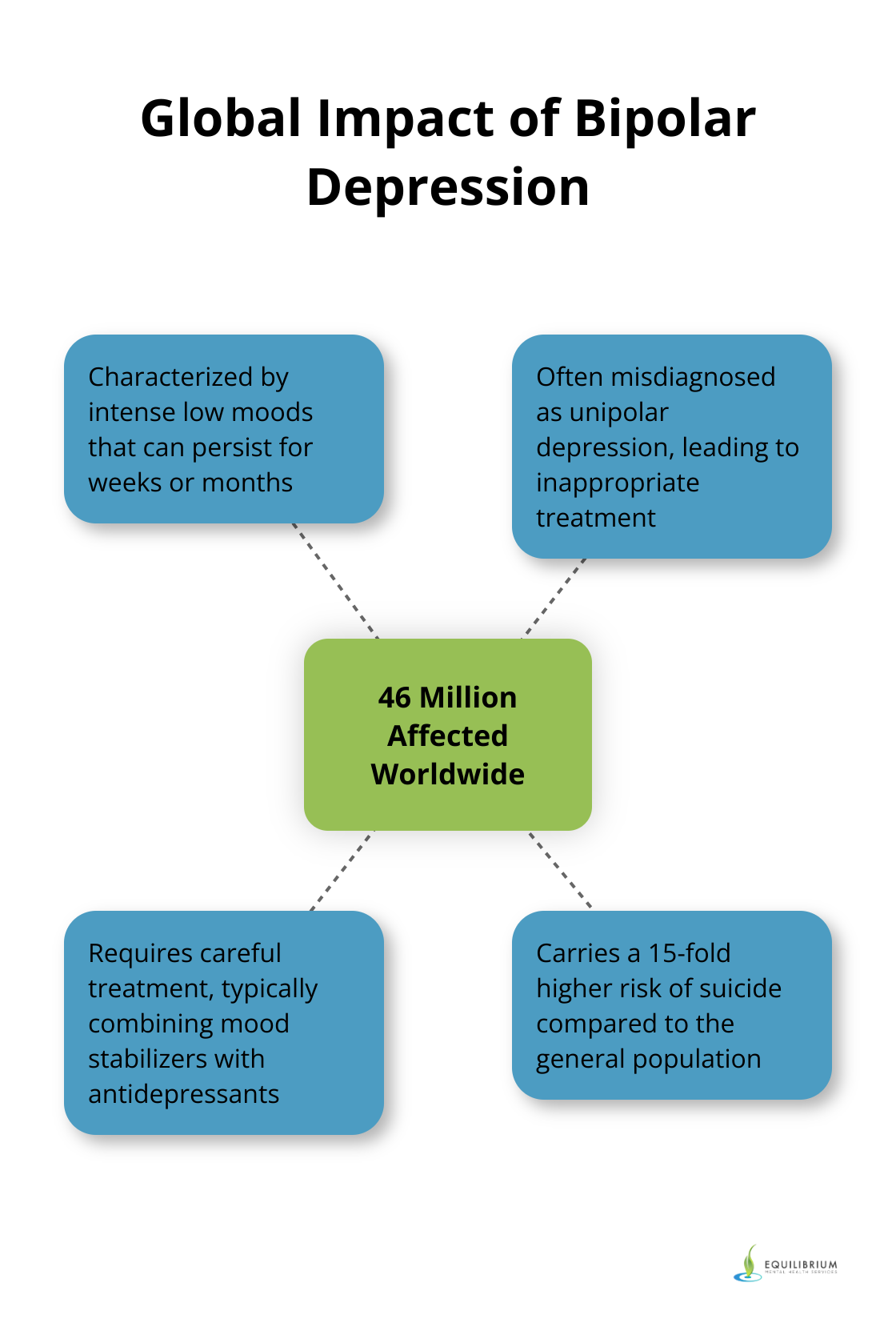
Bipolar depression is a complex mental health condition that affects 46 million people worldwide. This condition forms part of bipolar disorder, characterized by intense low moods that can persist for weeks or months. Patients often experience overwhelming sadness, loss of interest in previously enjoyed activities, and significant changes in sleep and appetite patterns.
Bipolar vs. Unipolar Depression: Key Differences
A critical distinction between bipolar and unipolar depression lies in the presence of manic or hypomanic episodes. While both conditions share depressive symptoms, only bipolar disorder includes periods of elevated mood, increased energy, and (sometimes) reckless behavior. This difference is essential for proper treatment, as antidepressants alone can potentially trigger manic episodes in bipolar patients.
The Challenge of Accurate Diagnosis
Misdiagnosis is a significant concern in bipolar depression. Bipolar depression is commonly misdiagnosed as unipolar depression, leading to inappropriate treatment. Proper diagnosis is vital because treatment approaches for bipolar and unipolar depression differ significantly. While antidepressants often serve as the first-line treatment for unipolar depression, clinicians must use them cautiously in bipolar depression (typically in combination with mood stabilizers).
Recognizing the Signs
Bipolar depression manifests through various symptoms, including:
- Persistent feelings of sadness or emptiness
- Loss of interest in activities once enjoyed
- Significant weight loss or gain
- Insomnia or excessive sleeping
- Fatigue or loss of energy
- Difficulty concentrating or making decisions
- Thoughts of death or suicide
Seeking Professional Help
If you experience symptoms of depression and are unsure whether they might be part of bipolar disorder, it’s important to seek professional help. Early intervention can make a significant difference in managing bipolar depression effectively. Mental health professionals (such as those at Equilibrium Mental Health Services in Coral Gables) can provide comprehensive evaluations and personalized treatment plans.
As we move forward, let’s explore the pros and cons of using antidepressants in treating bipolar depression, a topic that continues to spark debate in the mental health community.
Benefits of Antidepressants in Bipolar Depression Treatment
Antidepressants can play a valuable role in managing bipolar depression when used appropriately. Let’s explore the potential advantages of incorporating these medications into a comprehensive treatment plan for bipolar depression.
Symptom Alleviation
Antidepressants can effectively reduce the severity of depressive episodes in bipolar disorder. A study found that antidepressants are effective in the short-term treatment of bipolar depression. This improvement often leads to better daily functioning, increased energy levels, and enhanced quality of life.
Enhanced Mood Stability
When combined with mood stabilizers, antidepressants can create a synergistic effect, enhancing overall mood stability. The International Society for Bipolar Disorders (ISBD) reports that this combination can lead to a more balanced emotional state, reducing the frequency and intensity of both depressive and manic episodes. Patients on this combined therapy often experience longer periods of euthymia (stable mood).
Suicide Risk Reduction
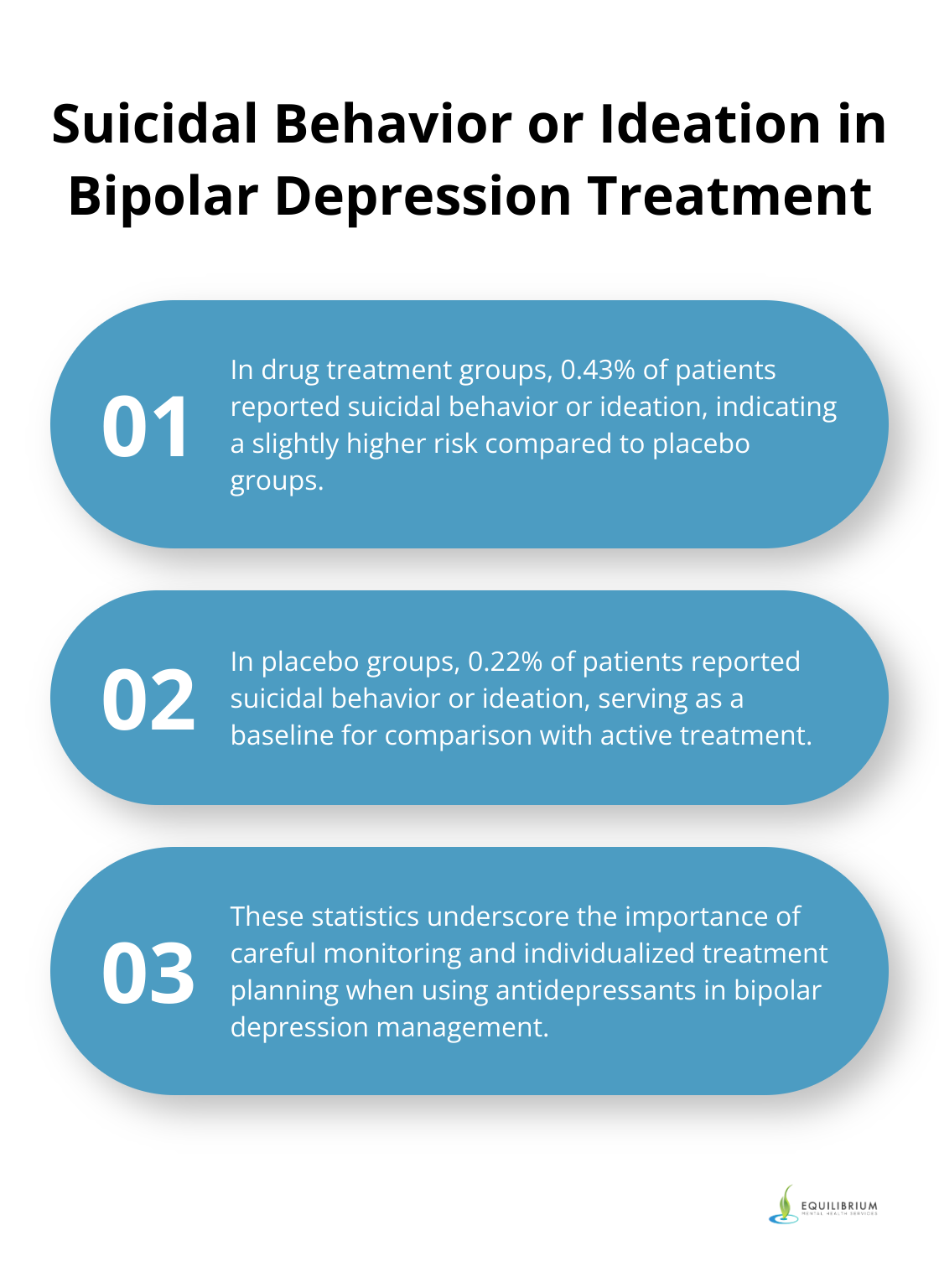
One of the most critical benefits of antidepressants in bipolar depression is their potential to reduce suicidal thoughts and behaviors. According to the National Institute of Mental Health, bipolar disorder carries a 15-fold higher risk of suicide compared to the general population. Antidepressants (particularly when used in conjunction with mood stabilizers) can significantly decrease this risk. A study showed that 0.43% of patients in drug treatment groups reported suicidal behavior or ideation compared to 0.22% in placebo groups.
Improved Quality of Life
The alleviation of depressive symptoms often translates to a marked improvement in overall quality of life. Patients in Miami (and surrounding areas like Coral Gables and Pinecrest) report increased ability to engage in work, maintain relationships, and participate in enjoyable activities. This enhanced functionality can contribute to a more fulfilling and balanced life.
Personalized Treatment Approaches
The use of antidepressants in bipolar disorder requires careful monitoring and individualized treatment planning. Mental health professionals provide comprehensive evaluations to determine the most effective treatment approach for each patient. They closely monitor medication responses and adjust treatment plans as needed to maximize benefits while minimizing risks.
While these benefits highlight the potential advantages of antidepressant use in bipolar depression, it’s important to consider the potential risks and side effects associated with these medications. Let’s examine the other side of the coin in the next section.
Risks of Antidepressants in Bipolar Treatment
Manic Episode Triggers
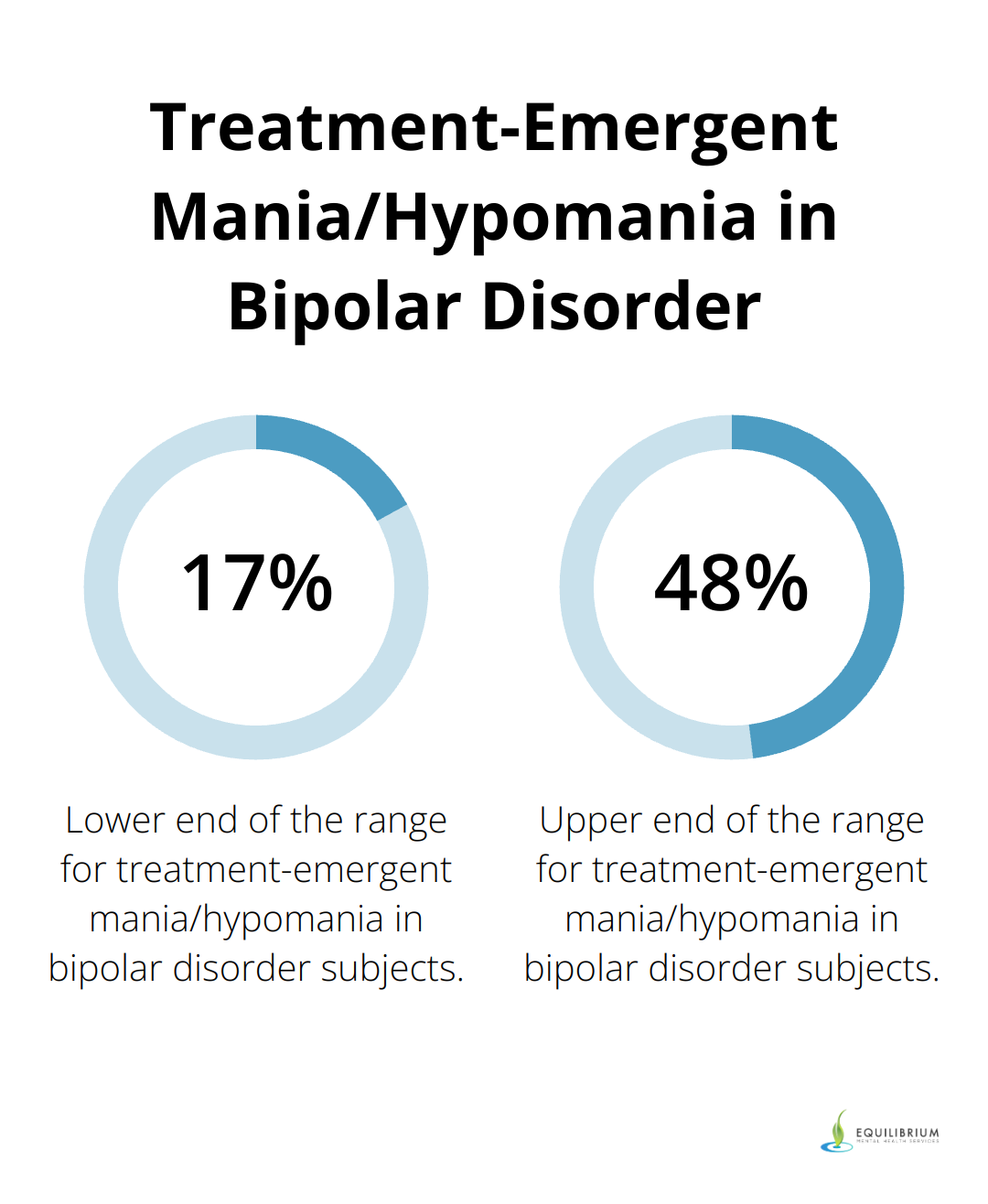
Antidepressant use in bipolar disorder treatment carries significant risks. One of the most serious concerns is the potential to trigger manic or hypomanic episodes. A study reveals that treatment-emergent mania/hypomania in bipolar disorder subjects ranged from 17.3% to 48.8% and was more frequent with antidepressant monotherapy compared to combination therapy. This risk is particularly high for those with Bipolar I disorder (a condition characterized by full manic episodes).
Rapid Cycling Concerns
Antidepressants can potentially induce rapid cycling in some bipolar patients. Rapid cycling involves four or more distinct mood episodes within a year. Research suggests that long-term continuation of antidepressants was associated with more mood episodes in patients with rapid-cycling bipolar disorder. This phenomenon can complicate treatment and worsen the overall course of the illness.
Side Effects and Drug Interactions
Like all medications, antidepressants can cause side effects. Common issues include nausea, weight gain, sexual dysfunction, and sleep disturbances. These side effects can be particularly problematic for bipolar patients, as they may exacerbate existing symptoms or trigger mood shifts.
Drug interactions present another significant concern. Many bipolar patients take multiple medications, which increases the risk of adverse interactions. For instance, the combination of certain antidepressants with mood stabilizers can lead to potentially dangerous increases in blood levels of either medication.
Treatment Challenges
The use of antidepressants in bipolar disorder requires careful monitoring and individualized treatment planning. Mental health professionals provide comprehensive evaluations to determine the most effective treatment approach for each patient. They closely monitor medication responses and adjust treatment plans as needed to maximize benefits while minimizing risks.
Misdiagnosis Risks
Misdiagnosis remains a significant concern in bipolar depression. Bipolar depression is often misdiagnosed as unipolar depression, which can lead to inappropriate treatment. Proper diagnosis is vital because treatment approaches for bipolar and unipolar depression differ significantly. While antidepressants often serve as the first-line treatment for unipolar depression, clinicians must use them cautiously in bipolar depression (typically in combination with mood stabilizers).
Final Thoughts
Antidepressants for bipolar depression require careful consideration. These medications can alleviate symptoms and reduce suicide risk, but they also carry potential dangers such as triggering manic episodes or inducing rapid cycling. Personalized care is essential to maximize benefits and minimize risks for each patient’s unique situation.
Professional help is vital for those with bipolar depression. Equilibrium Mental Health Services offers expert care for various mental health conditions, including bipolar disorder. Our team provides comprehensive evaluations and personalized treatment plans to help patients navigate the complexities of their condition.
Managing bipolar depression is challenging, but support is available. With the right treatment approach, patients can improve their quality of life. If you’re in the Coral Gables area and need guidance on antidepressants for bipolar depression (or other mental health concerns), contact Equilibrium Mental Health Services for support.


