
ADHD versus anxiety: two conditions that often overlap but require distinct approaches. At Equilibrium Mental Health Services, we frequently encounter patients struggling to differentiate between these disorders.
Understanding the key differences is vital for accurate diagnosis and effective treatment. This guide will help you recognize the unique characteristics of each condition and know when to seek professional help.
What Are ADHD and Anxiety?
ADHD: Beyond Inattention
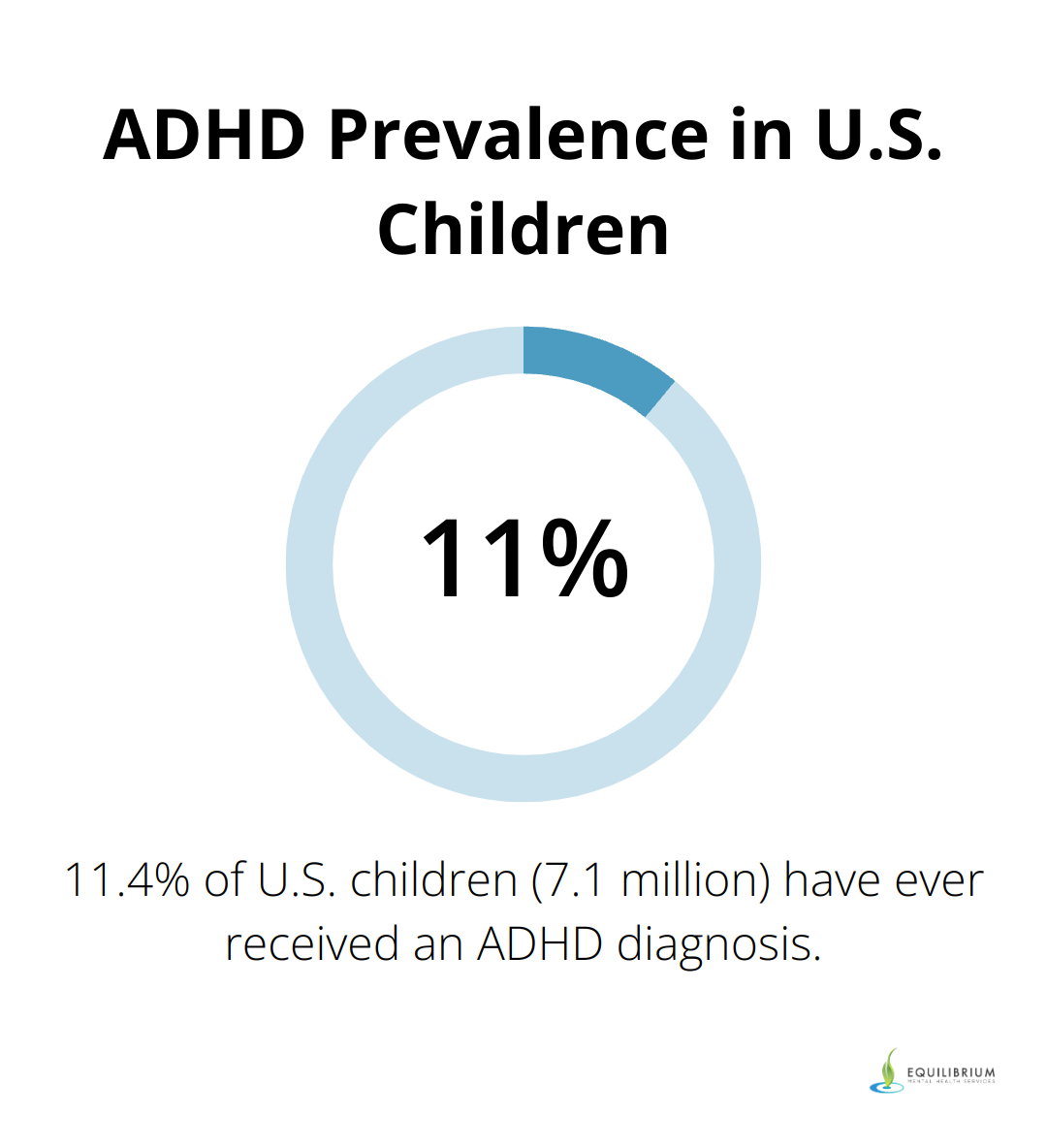
Attention-Deficit/Hyperactivity Disorder (ADHD) is a neurodevelopmental condition that affects both children and adults. Approximately 1 in 9 U.S. children have ever received an ADHD diagnosis (11.4%, 7.1 million children) and 10.5% (6.5 million) had current ADHD.
The Centers for Disease Control and Prevention (CDC) reports that ADHD affects approximately 5-7% of children and 2.5-6.7% of adults. Common symptoms include difficulty focusing, forgetfulness, and disorganization. Adults with ADHD often struggle with time management, impulsive decision-making, and maintaining relationships.
Many adults with undiagnosed ADHD develop coping mechanisms that mask their symptoms, which can complicate diagnosis. This underscores the importance of a comprehensive evaluation by a mental health professional.
Anxiety: The Worry Spiral
Anxiety disorders encompass a range of conditions characterized by excessive fear, worry, and related behavioral disturbances. An estimated 19.1% of U.S. adults had any anxiety disorder in the past year. Past year prevalence of any anxiety disorder was higher for females (23.4%) than for males.
Typical symptoms of anxiety include persistent worry, restlessness, difficulty concentrating, and physical manifestations such as increased heart rate and muscle tension. In Miami and surrounding areas (like Coral Gables and Brickell), there has been a noticeable increase in anxiety cases, particularly related to work stress and social pressures.
Debunking Common Myths
One widespread misconception is that ADHD only affects children. In reality, ADHD often persists into adulthood, with symptoms evolving and sometimes becoming more subtle.
Another myth suggests that anxiety is simply “being stressed.” While stress is a normal part of life, anxiety disorders involve persistent, excessive worry that significantly impacts daily functioning.
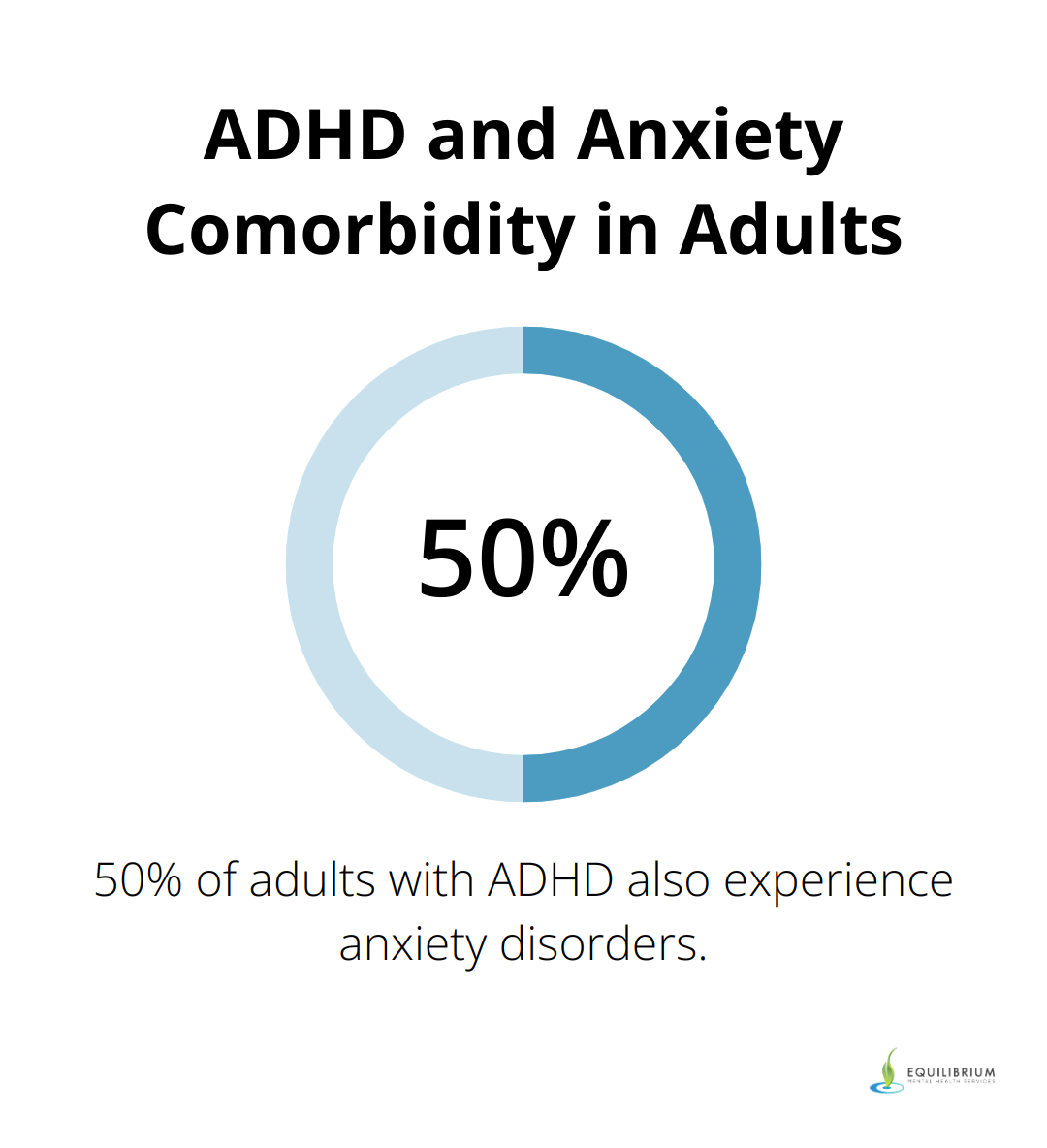
It’s important to note that having ADHD doesn’t automatically mean you have anxiety, or vice versa. However, they can co-occur. A study in the Journal of Attention Disorders found that up to 50% of adults with ADHD also experience anxiety disorders.
The Role of Environment
Environmental factors play a significant role in both ADHD and anxiety. The fast-paced lifestyle in areas like Brickell or Kendall can exacerbate symptoms of both conditions. High-stress work environments, social media pressures, and constant connectivity contribute to increased anxiety and difficulty focusing.
The Importance of Individualized Assessment
Each person’s experience with ADHD or anxiety is unique, and treatment should be tailored accordingly. A thorough evaluation by a qualified mental health professional can help distinguish between these conditions and develop an effective treatment plan.
As we explore the key differences between ADHD and anxiety in the next section, you’ll gain a clearer understanding of how these conditions manifest and impact daily life.
ADHD #AnxietyDisorders #MentalHealthAwareness #NeurodevelopmentalDisorders #MiamiMentalHealth
How Do ADHD and Anxiety Differ?
Focus and Attention
ADHD and anxiety affect focus and attention differently. Individuals with ADHD struggle to sustain attention, especially on uninteresting tasks. They might hyperfocus on engaging activities but find it challenging to concentrate on mundane tasks. Those with anxiety often have difficulty focusing due to persistent worries and intrusive thoughts.
A study in the Journal of Attention Disorders revealed that 50% of adults with ADHD also experience anxiety disorders (highlighting the complexity of these conditions). Many patients in Coral Gables initially seek help for anxiety symptoms but later receive an ADHD diagnosis.
Impulsivity and Decision-Making
ADHD characterizes itself by impulsive behavior and difficulty with impulse control. This manifests as interrupting others, making quick decisions without considering consequences, or engaging in risky behaviors. Anxiety often leads to overthinking and decision paralysis. Individuals with anxiety struggle to make choices due to fear of negative outcomes.
Emotional Responses
People with ADHD experience intense, short-lived emotional reactions. They may have sudden outbursts of anger or excitement, followed by quick returns to baseline. Anxiety typically involves prolonged periods of worry and fear, with emotions building up over time rather than occurring in sudden bursts.
Physical Symptoms
Both conditions cause physical symptoms, but they differ in nature. ADHD may lead to restlessness, fidgeting, and difficulty sitting still. Anxiety often manifests as muscle tension, increased heart rate, and gastrointestinal issues.
A 2019 study in the Journal of Clinical Medicine found that 37% of adults with ADHD reported significant anxiety symptoms (emphasizing the importance of comprehensive assessment).
Diagnostic Challenges
Differentiating between ADHD and anxiety presents challenges due to overlapping symptoms. Professional evaluation becomes essential for accurate diagnosis. In Brickell, mental health professionals use advanced diagnostic tools to identify the subtle differences between these conditions, ensuring precise diagnosis and tailored treatment plans.
Understanding these key differences proves vital for anyone experiencing symptoms of ADHD or anxiety. If you’re unsure which condition you might have, seek professional help. Early intervention significantly improves outcomes and quality of life. The next section will explore when to seek professional help for ADHD or anxiety symptoms.
ADHDvsAnxiety #MentalHealthDiagnosis #NeurodiversityAwareness #AnxietyTreatment #ADHDManagement
When Should You Seek Help for ADHD or Anxiety?
Recognizing the right time to seek professional help for ADHD or anxiety can challenge many. People in Miami and surrounding areas like Coral Gables and Brickell often postpone treatment, hoping their symptoms will improve on their own. However, early intervention proves key to managing these conditions effectively.
Red Flags for ADHD
Consistent struggles with time management, organization, or task completion signal the need for professional consultation. Adults with ADHD often report difficulties in maintaining focus during meetings or conversations, frequently misplacing important items, or feeling overwhelmed by simple daily tasks.
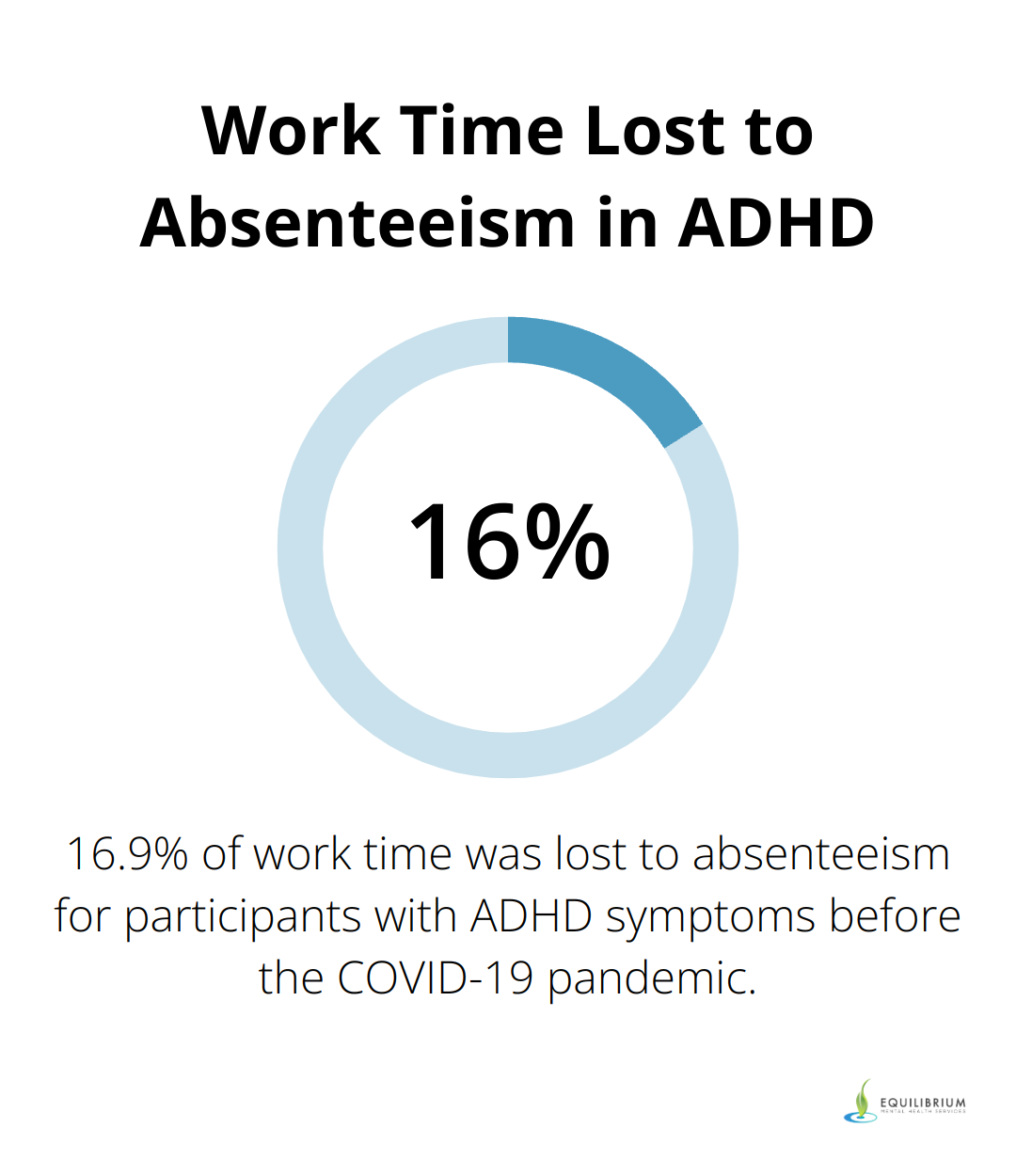
A study found that for participants with ADHD symptoms, 16.9% of work time was lost to absenteeism before the COVID-19 pandemic, highlighting the significant impact ADHD can have on professional life.
In Brickell, young professionals increasingly seek help for ADHD symptoms that interfere with their fast-paced work environments. If you constantly miss deadlines or struggle to keep up with work demands despite your best efforts, consider an evaluation.
Warning Signs of Anxiety Disorders
Anxiety becomes concerning when it interferes with your daily life. If you avoid social situations, experience frequent panic attacks, or constantly worry about future events to the point of distress, it’s time to seek help.
The Anxiety and Depression Association of America reports that only 36.9% of those suffering from anxiety disorders receive treatment (a particularly concerning statistic given the high prevalence of anxiety in urban areas like Miami).
Physical symptoms of anxiety, such as persistent headaches, digestive issues, or sleep problems, should not go ignored. These can indicate chronic stress and anxiety taking a toll on your body.
Impact on Daily Life and Relationships
Both ADHD and anxiety can significantly affect personal relationships and work performance. If you notice strain in your relationships due to forgetfulness, impulsivity, or excessive worry, address these issues promptly.
A survey conducted by the National Alliance on Mental Illness found that 64% of people with mental illness reported their condition impacting their ability to socialize. In Coconut Grove, couples increasingly seek therapy due to relationship stress caused by untreated ADHD or anxiety.
Benefits of Early Intervention
Early treatment can prevent symptom escalation and reduce the risk of developing co-occurring conditions. The National Institute of Mental Health emphasizes that early intervention leads to better outcomes in managing both ADHD and anxiety.
Patients who seek help early often require less intensive treatment and show faster improvement. Comprehensive evaluations accurately diagnose and treat these conditions, setting the foundation for effective management.
Taking the Next Step
If you experience symptoms that align with ADHD or anxiety, don’t hesitate to reach out to a mental health professional. Early intervention can significantly improve your quality of life and overall well-being. Contact Equilibrium Mental Health Services at equilibriumpsychiatry.com or visit our Google Business Profile at https://g.co/kgs/Toi7gBP for expert care in Miami and surrounding areas.
MentalHealthAwareness #ADHDTreatment #AnxietyHelp #EarlyIntervention #MiamiMentalHealth
Final Thoughts
ADHD versus anxiety presents distinct challenges, yet both conditions require accurate diagnosis for effective treatment. Professional evaluation by experienced mental health experts forms the foundation of successful intervention. Equilibrium Mental Health Services specializes in comprehensive assessments to differentiate between these conditions and provide tailored care.
We offer expert, evidence-based treatment for adults dealing with ADHD, anxiety, and other mental health concerns. Our team creates personalized plans that may include medication management, psychotherapy, or a combination of both (based on individual needs). We understand that each person’s experience with ADHD or anxiety is unique and adapt our approach accordingly.
If you experience symptoms of ADHD or anxiety, don’t hesitate to seek support. Early intervention can improve your quality of life and overall well-being. Visit our website to learn more about our services and how we can help you navigate your mental health journey.


